

Rococo Bronze Ceiling Fixture
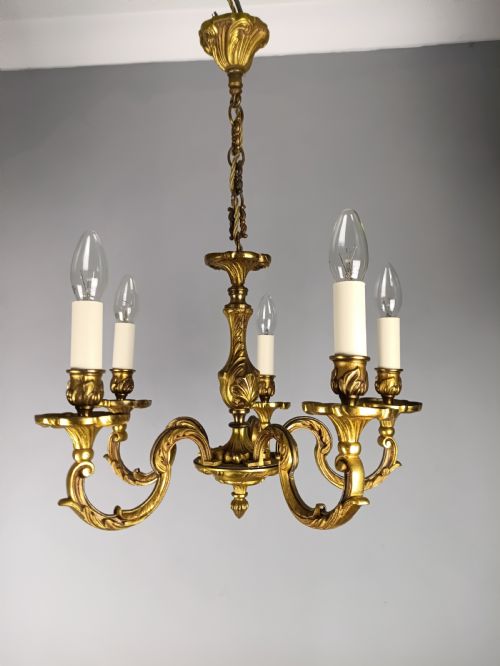
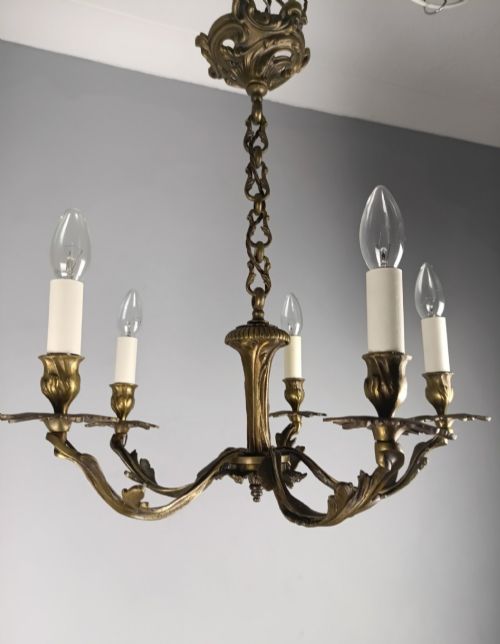
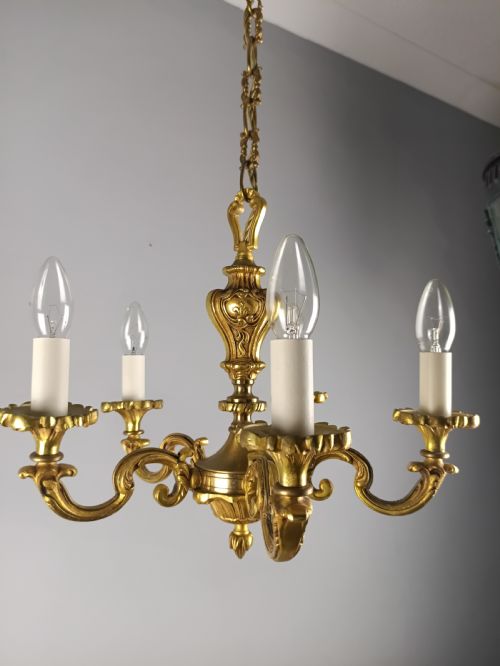
These ornate rococo bronze ceiling fixture examples bring dramatic French and Italian lighting into a room.
Rococo Bronze Ceiling Fixture
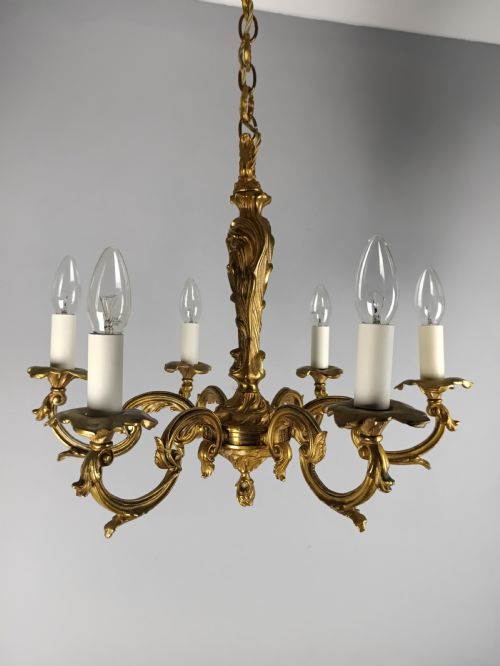
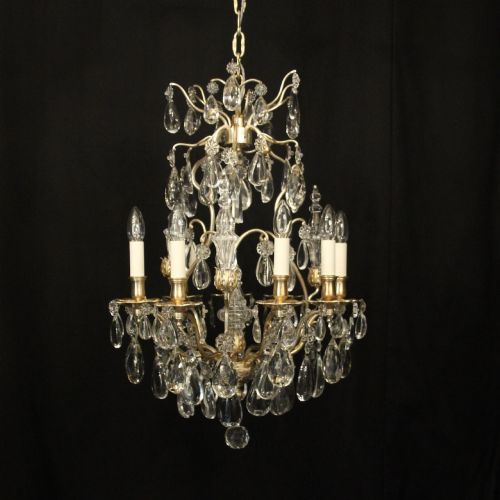
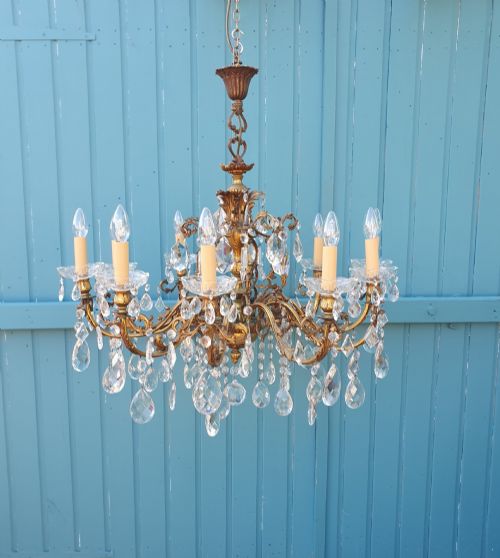
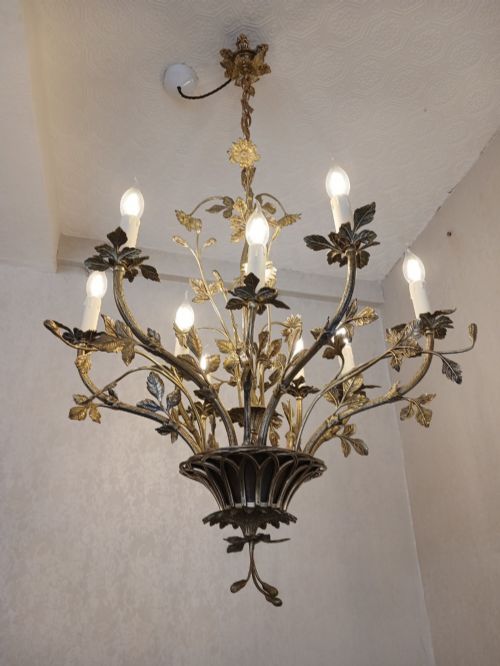
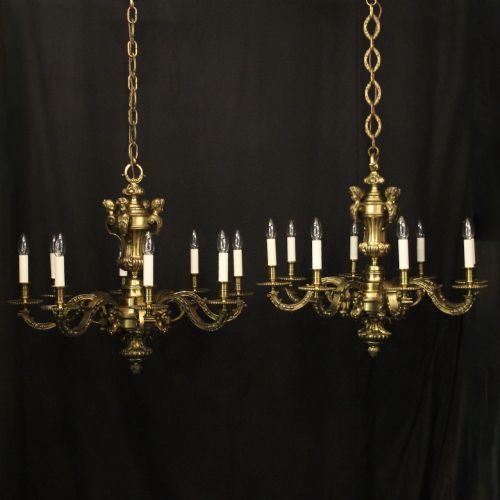
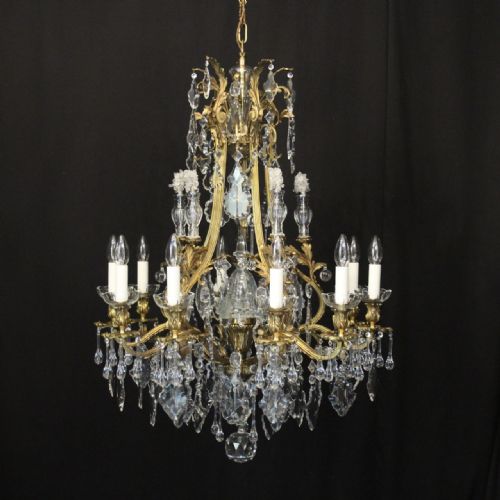
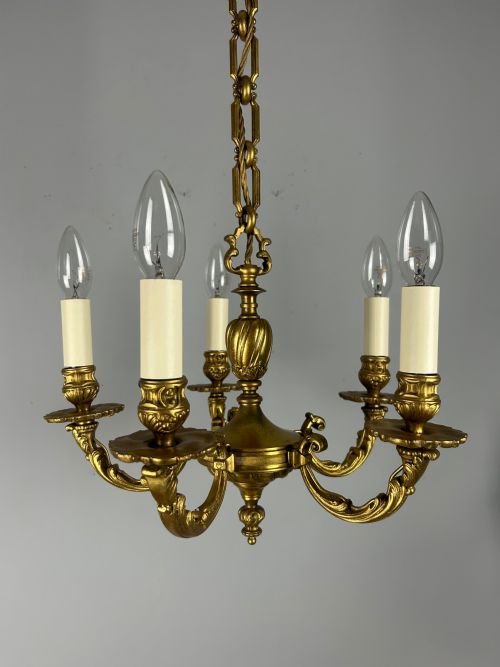
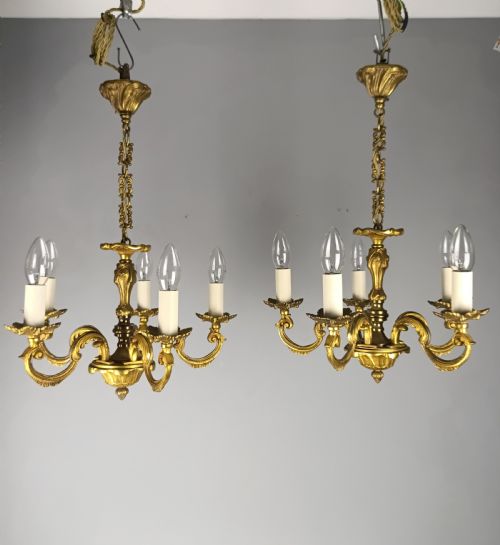
A rococo bronze ceiling fixture encompasses elaborate chandeliers, hall lanterns, and hanging lights rooted in nineteenth-century and early twentieth-century design. Most choices originate from French workshops, translating Louis XV aesthetics and Rococo Revival tastes into grand interior statements.
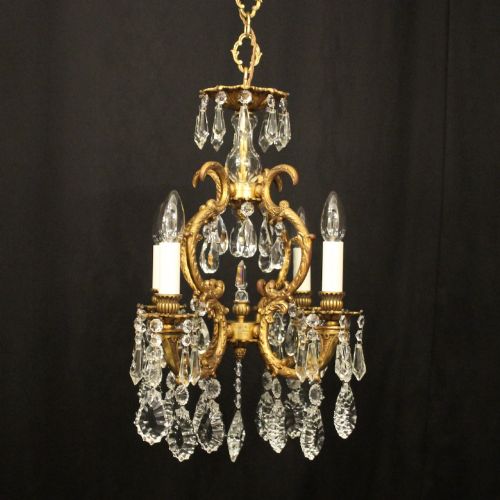
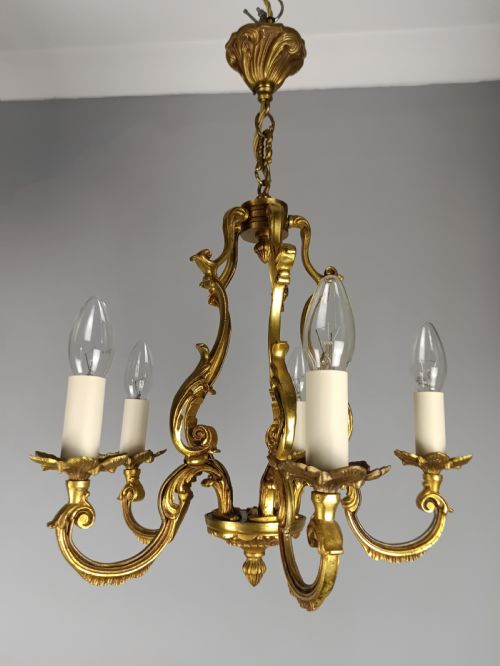
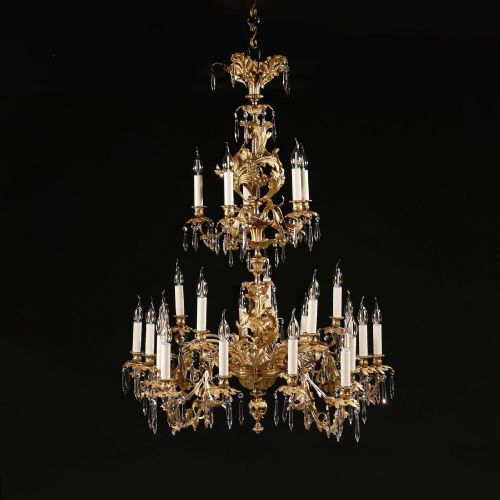
The selection ranges from intimate three-light hall lanterns to multi-tiered chandeliers carrying up to twenty-five lights. Buyers typically encounter multi-arm configurations designed for significant domestic spaces, styled with asymmetric curves and botanical motifs.
How they were made
Foundry workers cast metal elements in bronze, brass, or gilt spelter, employing traditional techniques to shape intricate scrollwork and figural details. Artisans then applied surface treatments including gilding, silver gilding, or dark patination to achieve the characteristic metallic lustre.
Lighting assemblies incorporate cut glass and crystal components, dangling prisms, and spikes secured directly to the metal frames. These transparent elements refract the illumination from multiple candle arms, multiplying the visual impact within a room.
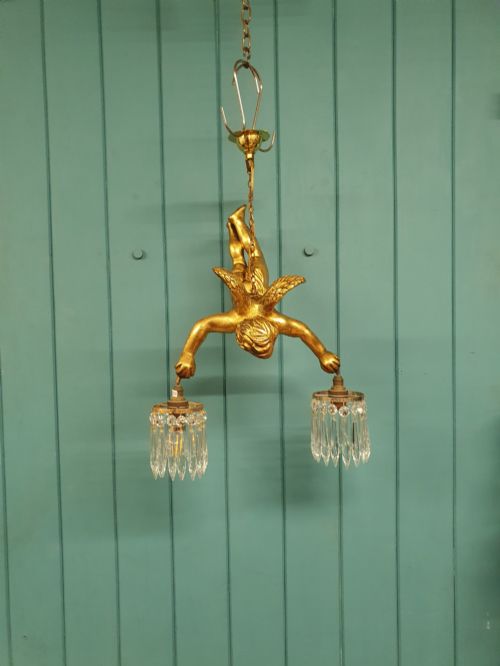
Flying cherubs occasionally join the crystal spikes, hanging suspended among the candle arms to watch over the room.
What varies in quality
The refinement of the cast metalwork dictates the overall standard of each piece, distinguishing sharply detailed chasing from softer, simpler moulding. Superior examples display crisp botanical scrolls and meticulously rendered figures that hold the eye from every angle.
The integration and clarity of the crystal components also shift the tier of the object, as hand-cut prisms cast sharper light than pressed glass alternatives. Furthermore, the coherence of the overarching design - whether French chateau, Italian baroque, or neoclassical - determines the visual authority of the fixture.
The Rococo Bronze Ceiling Fixture Glossary
- Gilt bronze
- Metal cast with an applied gold finish, also known asormolu. This treatment yields a warm, reflective surface suited to formal reception rooms.
- Cut glass
- Glass shaped by abrasive wheel cutting to create faceted edges that catch and disperse illumination. These elements hang from arms to amplify brightness.
- Hall lantern
- An enclosed ceiling fixture designed for entranceways and corridors. Such pieces protect candles or bulbs within glazed panels beneath decorative metal hoods.
- Birdcage chandelier
- A metal-framed hanging light constructed with vertical ribs resembling an aviary structure. Crystal garlands often drape across this skeletal framework.
- Spelter
- A zinc alloy utilised as an alternative to bronze for decorative castings. It often receives a bronze or gilt coating to mimic heavier metals.
Rococo Bronze Ceiling Fixture: Frequently Asked Questions
How do I hang a heavy bronze chandelier safely?
Suspension requires securing the fixture directly into ceiling joists or structural timber using rated hardware capable of supporting the combined weight of metal and crystal. Professional installation ensures the electrical wiring matches the demands of multi-arm fittings.
Ceiling height dictates the drop of the fixture, particularly for multi-tiered chandeliers or large lanterns placed in hallways. Positioning the lowest point above normal head height maintains clearance while preserving the visual proportion of the room.
What rooms suit a rococo ceiling light?
Formal reception rooms, high-ceilinged dining spaces, and grand entrance halls provide appropriate settings for ornate multi-light fixtures. The decorative presence of these pieces complements traditional architectural details like plaster mouldings and cornices.
Smaller iterations, such as single-tier lanterns or compact three-light configurations, fit narrower corridors or bedrooms. Matching the scale of the lighting to the floor area prevents the ornamentation from overwhelming the interior.
How do I clean crystal and bronze fixtures?
Dusting metal surfaces regularly with a soft, dry cloth preserves the gilded or patinated finish without abrasive wear. Avoid commercial chemical cleaners that strip historical surface treatments from the bronze.
Crystal prisms benefit from gentle washing with warm water and mild soap while detached from the frame, then drying completely before reattachment. Leaving the fixture powered off during maintenance prevents electrical hazards.
How can I tell the period of a chandelier?
Examining the construction methods, wiring channels, and metal casting quality reveals clues about the manufacturing era. Nineteenth-century examples often display heavier cast components and hand-finished chasing compared to later twentieth-century reproductions.
Stylistic markers such as Louis XV curves, neoclassical symmetry, or baroque flourishes help narrow the date of origin. Comparing the specific assembly of glass drops and arm junctions against documented periods aids verification.