



Rich Brown Dresser
A rich brown dresser brings immediate warmth to a room, offering practical storage through time-honoured forms.
Rich Brown Dresser
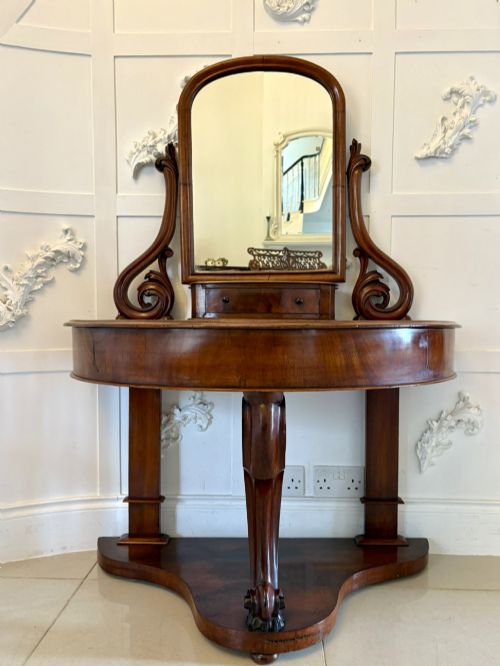
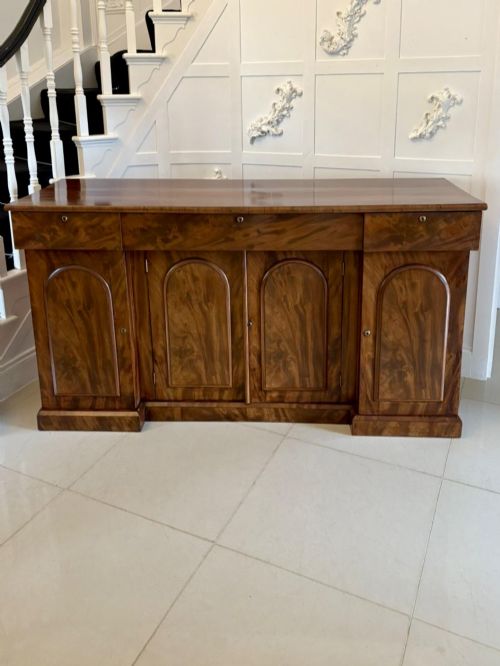
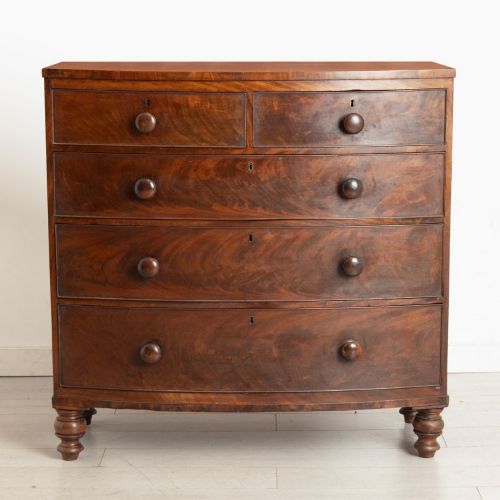
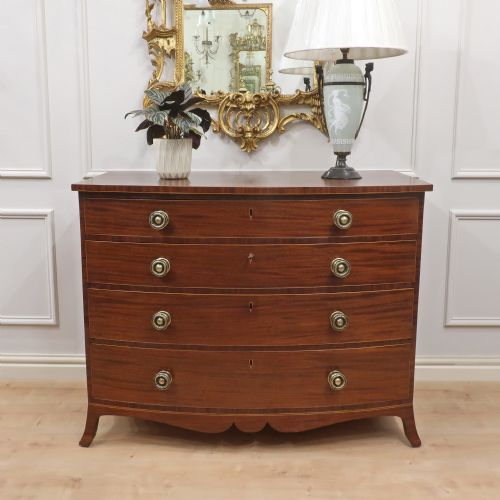
A rich brown dresser encompasses a wide variety of storage furniture including chests of drawers, dressing tables, sideboards and dresser bases.
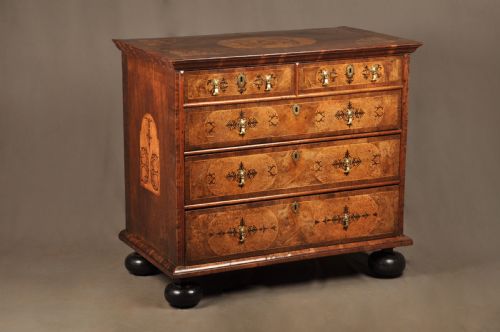
The pieces span multiple periods from the 17th century through the Georgian and Victorian eras, reflecting centuries of cabinet-making traditions.
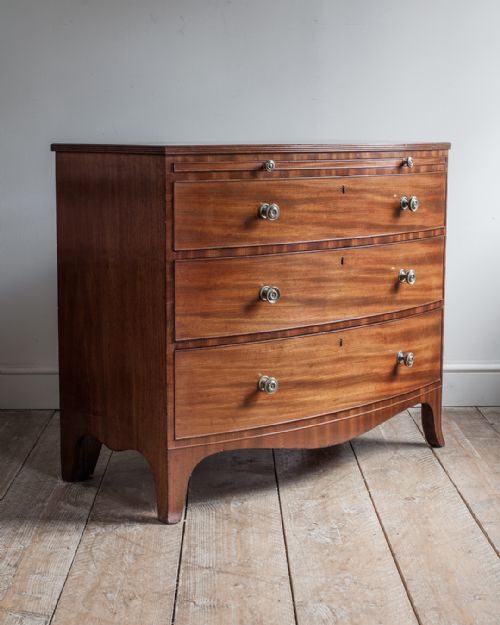
Mahogany and oak dominate the selection, often appearing alongside walnut, rosewood and wood veneer finishes.
Materials and construction
Solid timbers such as mahogany, oak and walnut provide the structural integrity and deep natural colour for these pieces.
Craftsmen applied intricate wood veneers and marquetry inlay to create patterned surfaces on drawer fronts and panels.
Brass handles, escutcheons and glass components complete the functional design of the period furniture.
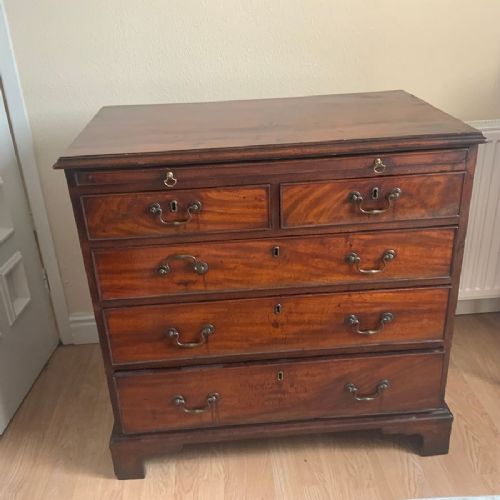
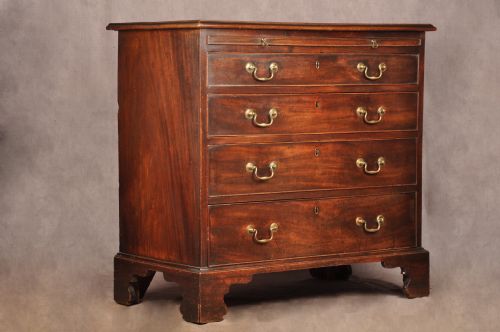
A secret slide tucked quietly beneath the top drawer offers a small, tactile link to daily routines of the 18th century.
Assessing craftsmanship
The choice of timber grain, particularly highly figured mahogany or burr walnut, dictates visual depth and surface richness.
Subtleties in proportion, such as serpentine or bowfront designs, separate standard utilitarian storage from more ambitious cabinet-making.
Giles Grendey
The Rich Brown Dresser Glossary
- Chest of drawers
- A piece of furniture consisting of multiple horizontal drawers used for storing clothing and personal items. These often feature mahogany or oak construction.
- Dresser base
- The lower section of a kitchen or dining room storage unit, frequently built from solid oak during the 18th century.
- Marquetry inlay
- Decorative patterns formed by fitting small pieces of wood veneer into a prepared surface. This technique appears on walnut pieces from the 17th century.
- Bowfront
- A convex, curved cabinet front that projects outward in the centre. This style is commonly seen on Georgian and Regency chests.
- Brushing slide
- A pull-out shelf integrated above the top drawer, traditionally used for folding clothes or writing. Examples frequently appear on George III pieces.
Rich Brown Dresser: Frequently Asked Questions
How do I date a wooden chest?
Examine the timber species, construction methods, and hardware style to determine the likely period of manufacture. Earlier pieces often utilise oak and geometric mouldings, while later Georgian and Victorian examples favour figured mahogany and walnut.
Hardware and drawer joints provide further clues, as dovetailing techniques and brass handle designs evolved considerably between the 17th and 19th centuries.
What is a brushing slide?
A brushing slide is a pull-out shelf positioned directly above the top drawer of a chest. It served as a convenient surface for folding garments or inspecting items.
Cabinet makers integrated these subtle shelves into Georgian designs to add practical utility without altering the clean lines of the furniture.
Are oak and mahogany pieces cared for differently?
Both timbers benefit from stable indoor environments away from direct sunlight and dramatic temperature fluctuations. Regular dusting and occasional application of appropriate wax maintain the finish.
Avoid excessive moisture on all wood surfaces, particularly where veneer or marquetry inlay is present.