

Revival Occasional Table
These revival occasional table examples draw on historical vocabularies to offer functional surfaces for lamps, books and drinks.
Revival Occasional Table
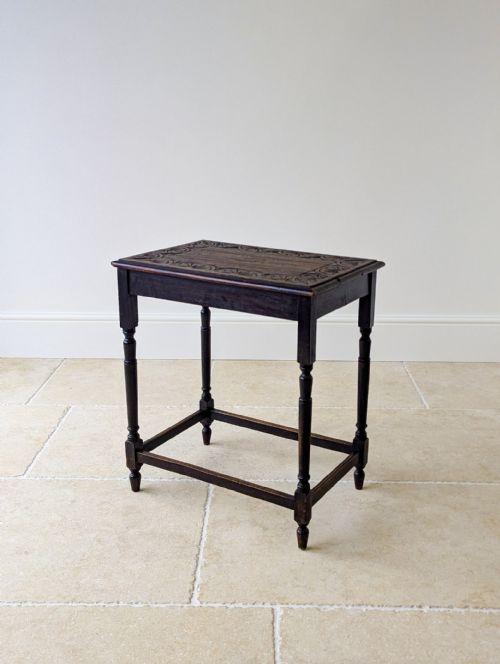
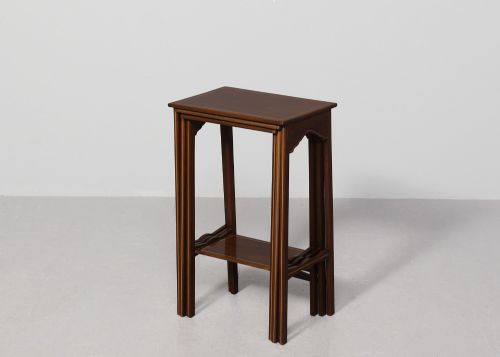
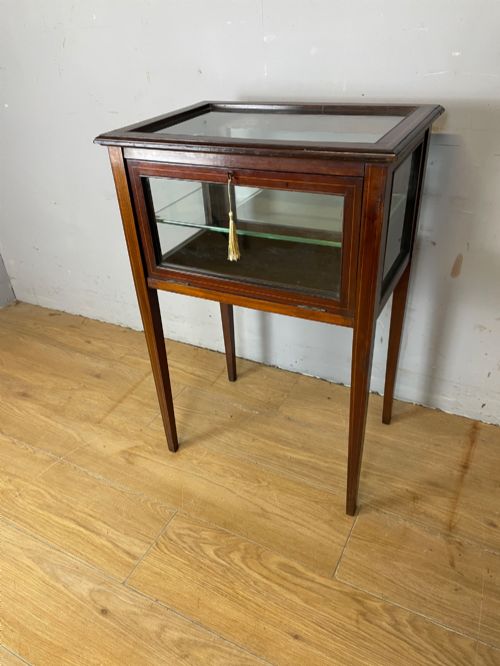
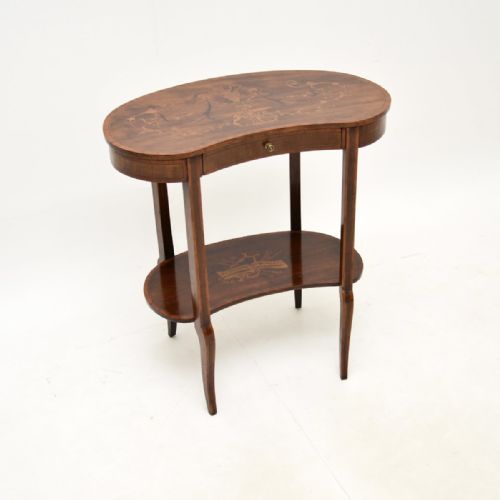
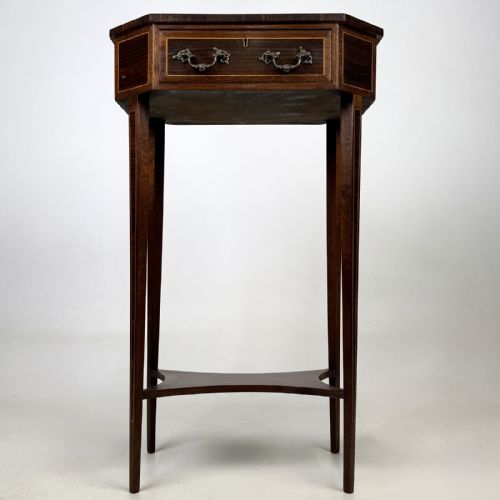
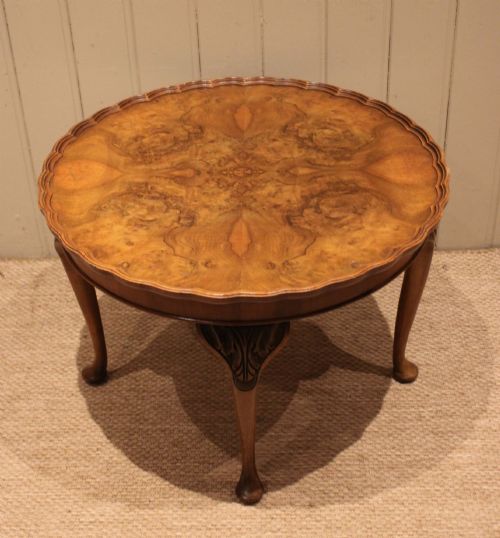
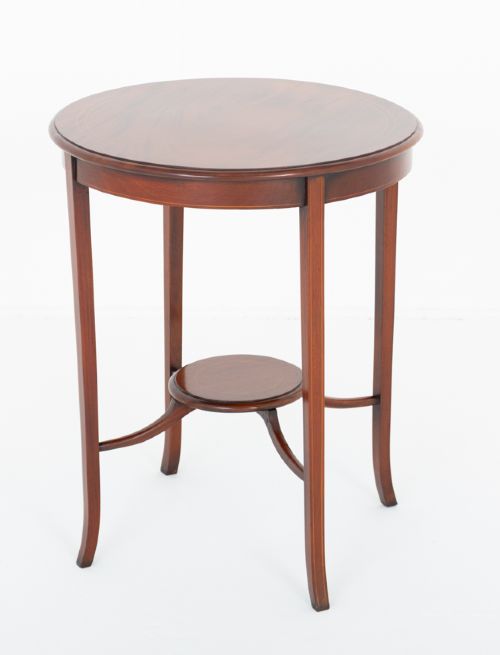
A revival occasional table brings earlier historical aesthetics into domestic spaces, appearing most commonly in Edwardian and Victorian interpretations. These pieces take various forms including lamp tables, wine tables, centre tables, and nested sets designed for flexible placement around a room. The materials span from solid oak and mahogany to burr walnut, reflecting the diverse revival movements of the nineteenth and early twentieth centuries.
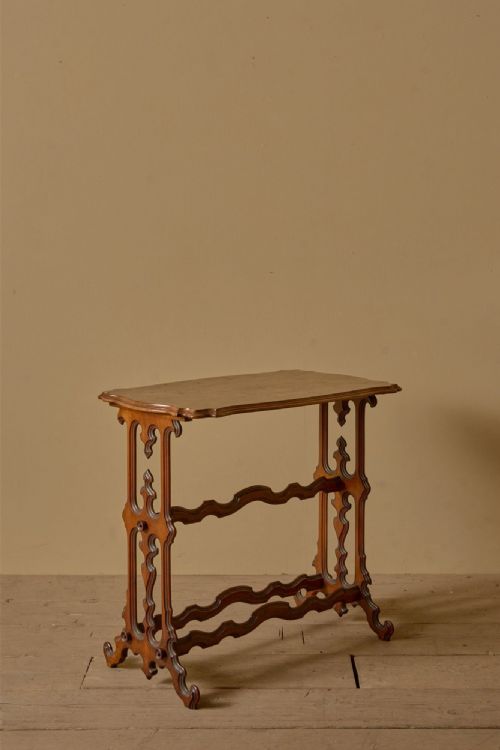
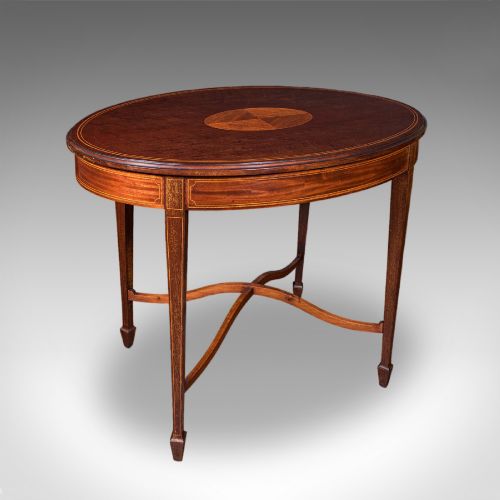
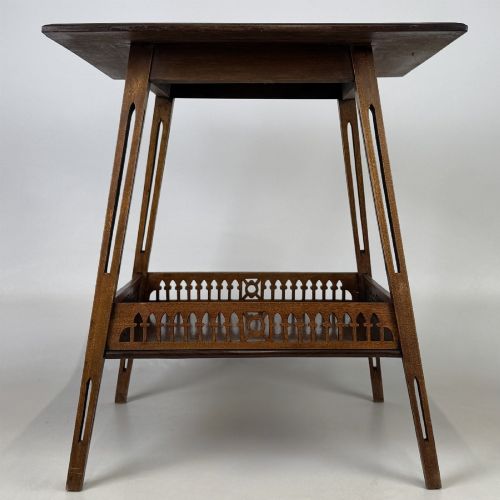
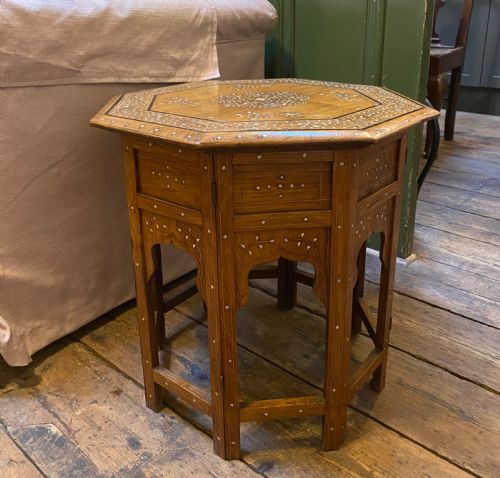
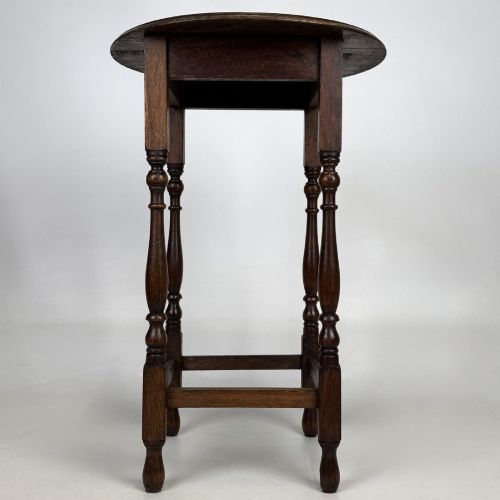
Makers of the period drew upon Jacobean, Sheraton, Louis XV, and Gothic styles to shape these portable surfaces. One frequently encounters octagonal centre tables, tripod wine tables, and nests of tables featuring marquetry or turned legs. Such pieces demonstrate how standard furniture types adopted historic ornament during successive historical revivals.
Materials and construction methods
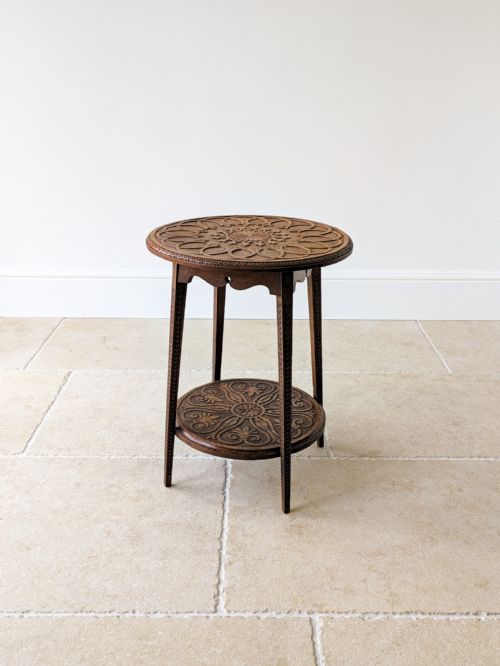
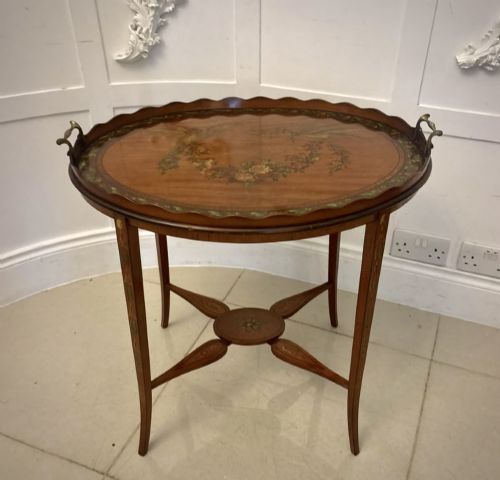
Cabinetmakers utilised timber frameworks of mahogany, oak, walnut, and satinwood, often embellishing surfaces with marquetry and parquetry inlays. Decorative accents include brass mounts, ormolu, porcelain plaques, and hand-carved stretchers or barley twist legs.
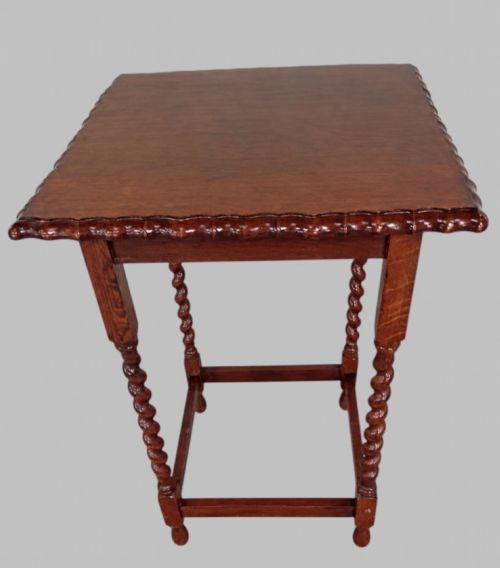
Joinery techniques ranged from traditional solid wood framing to veneered constructions on secondary woods. Turned elements like bobbin or barley twist legs appeared alongside tripod bases and carved stretchers to provide stability for these smaller tables.
Revival Occasional Table Retail Price Guide 2026
Typical asking prices for revival occasional table among the pieces listed under this phrase on Sellingantiques today, from the lower quarter to the upper quarter. They describe what is for sale here now, not the wider market.
Some tables double as sewing boxes and coffin stools, proving Victorians liked their furniture to multitask.
Distinctions in construction and design
Quality in a revival occasional table rests upon the selection of timber veneers, such as figured walnut or satinwood, and the precision of the marquetry inlay. Superior examples exhibit deliberate carving on stretchers and legs rather than cast or stamped ornamentation.
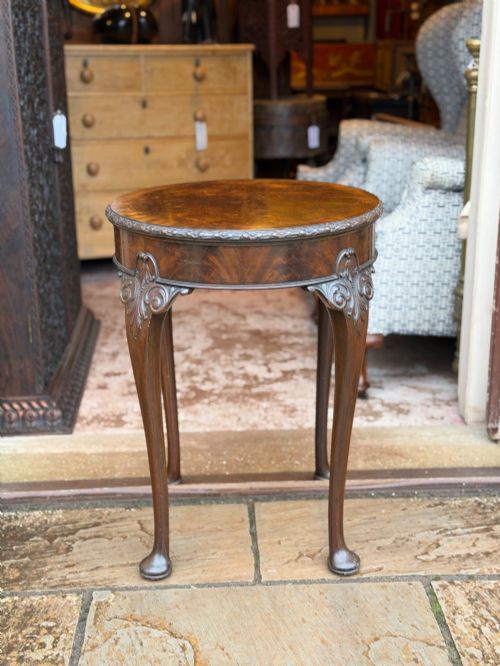
The integration of secondary materials like ormolu mounts, porcelain plaques, or glass panels differentiates standard production items from finer workshop pieces. Structural integrity in the joints and the crispness of turned details define the upper tier of these works.
JAS Shoolbred·Edward’s And Robert’s
The Revival Occasional Table Glossary
- Marquetry
- Decorative patterns formed by inserting pieces of wood, shell, or ivory into a veneered surface. This technique creates complex pictorial or geometric designs on tabletops.
- Parquetry
- Geometric mosaic woodwork used for floors or tabletops, constructed from small blocks or strips of timber. It yields repeating patterns such as cubes or chequers.
- Ormolu
- Gilded bronze or brass applied as mounts on furniture pieces. It serves to highlight corners, feet, and aprons in French revival designs.
- Étagère
- A piece of furniture consisting of open shelves for displaying small objects. These tiered structures often appear in late nineteenth-century satinwood forms.
- Tripod Table
- A small table supported by a central pillar resting on three legs. They frequently feature tilt-top mechanisms or wine table proportions.
Revival Occasional Table: Frequently Asked Questions
What periods do these tables represent?
The pieces span the Victorian and Edwardian eras, drawing inspiration from earlier centuries. They reflect historical revivals popular between eighteen-fifty and nineteen-thirty.
Craftsmen looked to Jacobean, Sheraton, and Louis XV styles to shape these domestic items. The dates correspond to manufacturing periods rather than the historical era being revived.
How were these small tables used?
These surfaces served multiple domestic purposes in Victorian and Edwardian sitting rooms. They held lamps, books, tea services, and decorative objects near seating areas.
Formats like nests of tables and tripod wine tables provided movable surfaces that could be repositioned easily. Their compact scale suited them for placement beside chairs or in corners.
How do I identify a revival style?
Revival pieces combine contemporary nineteenth or twentieth-century construction methods with historical ornamentation. Look for specific motifs such as barley twist legs, Gothic tracery, or Sheraton-style inlay.
Cabinetmakers utilised older design vocabularies while employing modern workshop techniques of their own era. The timber and joinery generally reveal the actual manufacturing date.
Are these tables solid wood?
Construction methods vary between solid timbers and veneered surfaces over secondary woods. Oak tables frequently utilise solid boards, while walnut and mahogany examples often feature decorative veneers.
Inlaid surfaces typically employ exotic woods applied as veneers over a stable core. Both solid construction and veneering represent standard practices of the period.