

Revival Furniture Desk
Revival furniture desk items bring historic design back to working spaces through varied period interpretations.
Revival Furniture Desk
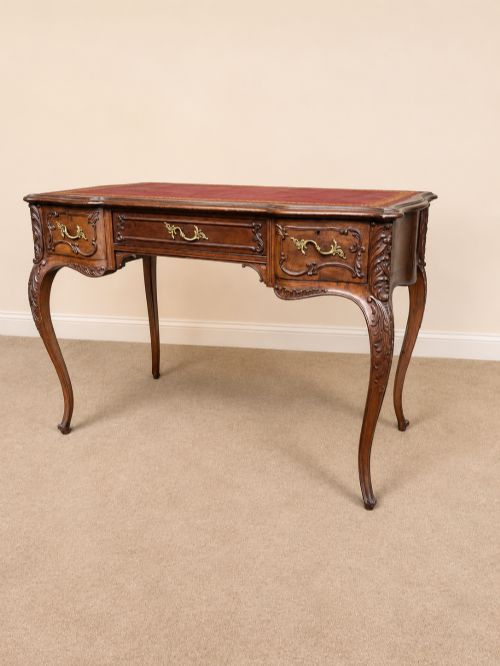
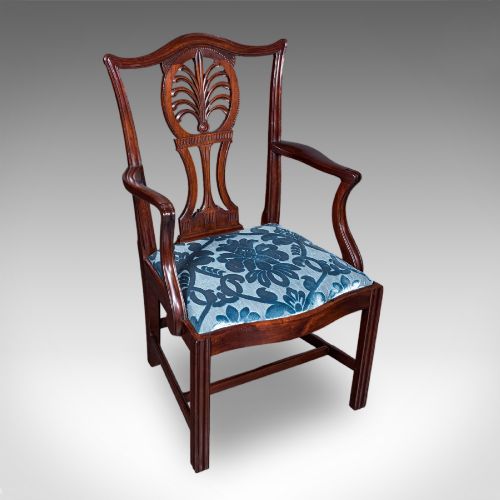
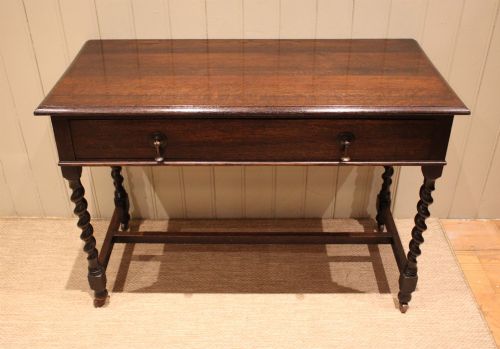
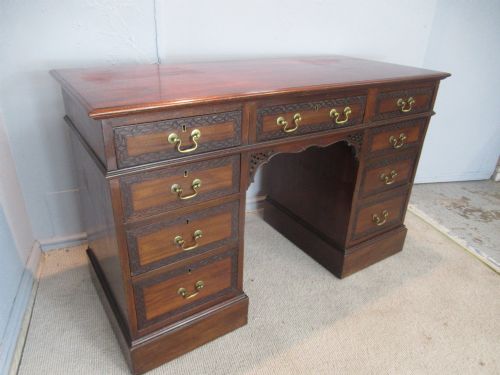
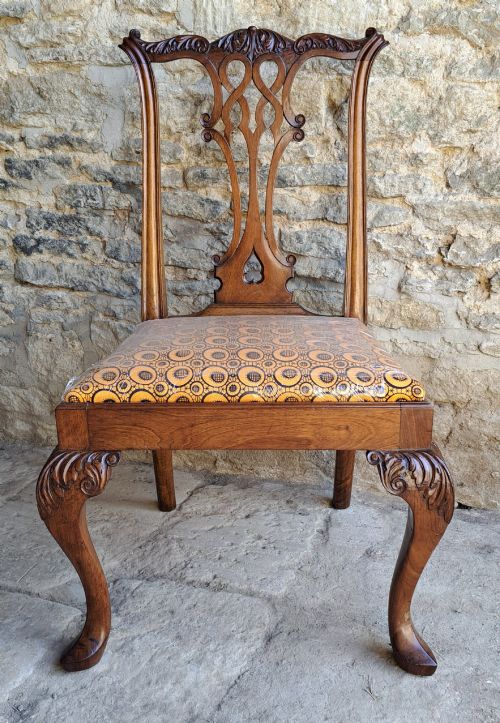
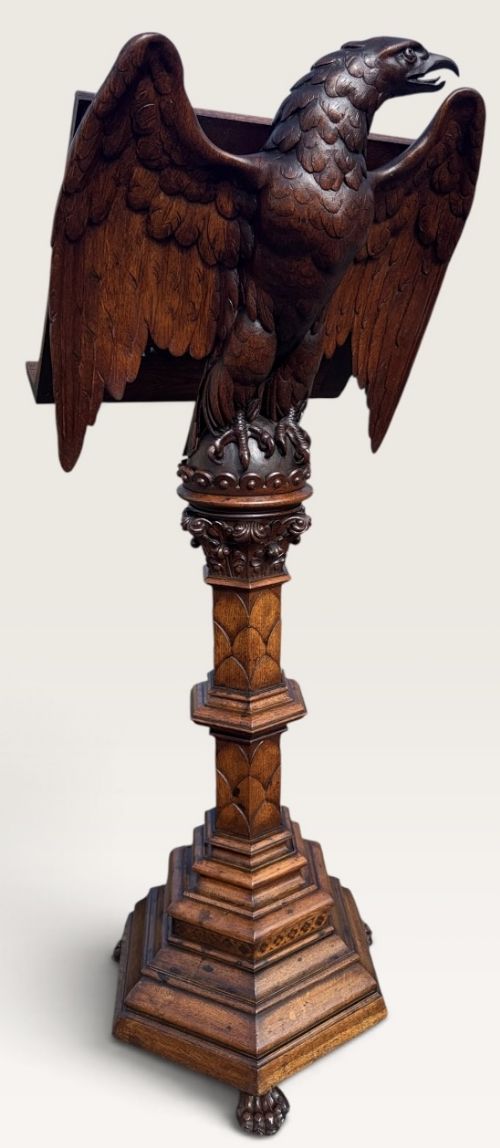
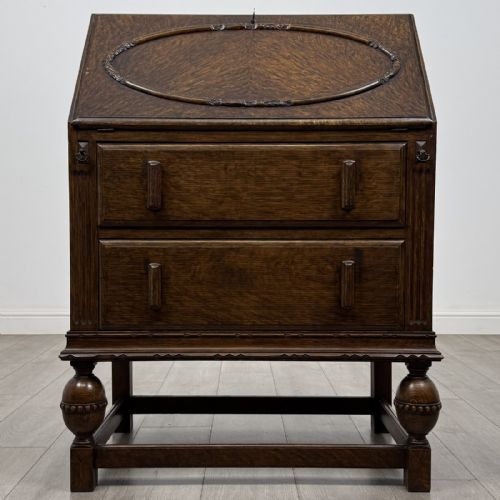
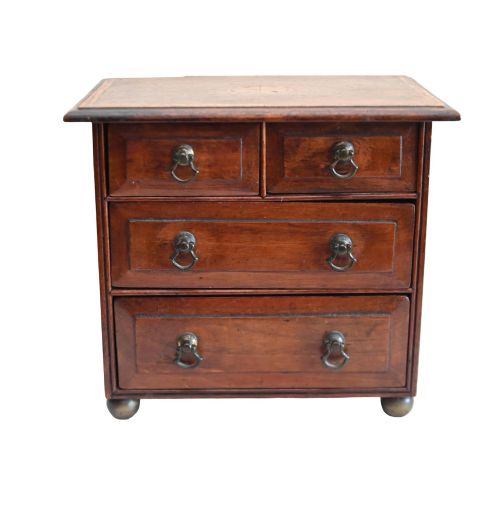
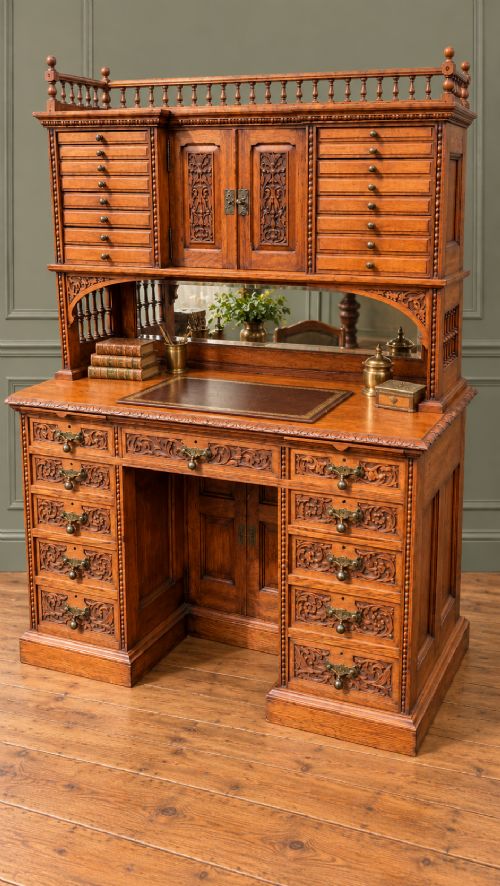
When you search for revival furniture desk items, you encounter pieces that reinterpret historical eras such as the Georgian, Victorian, and Edwardian periods. These tables and writing desks adapt earlier aesthetics to suit later domestic and office interiors.
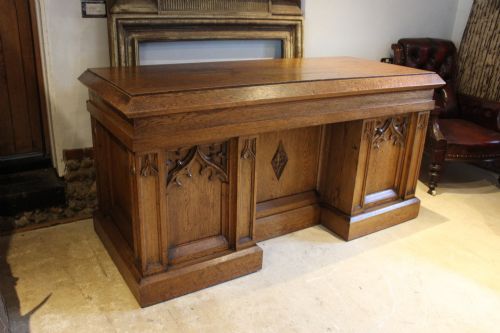
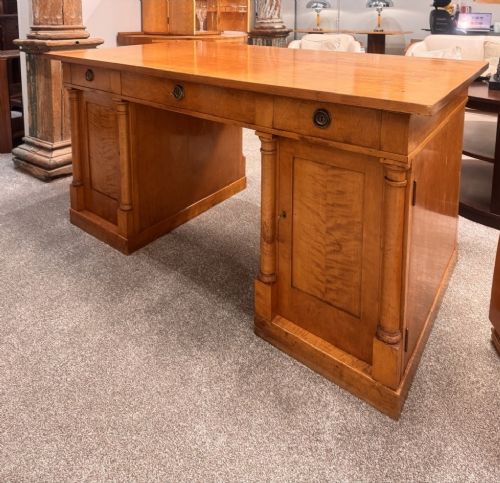
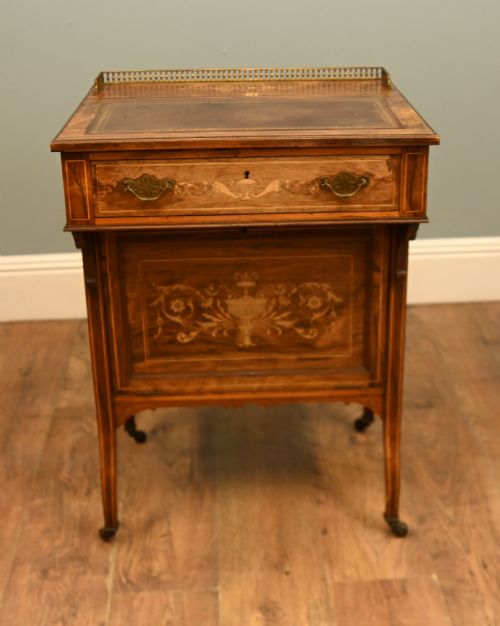
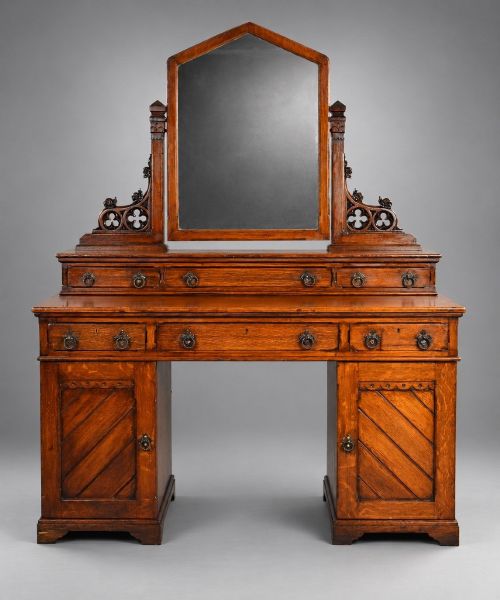
You are most likely to meet Edwardian satinwood pieces and Victorian oak iterations on this page. These versions range from painted bureau desks to pedestal writing tables and smaller Davenport forms.
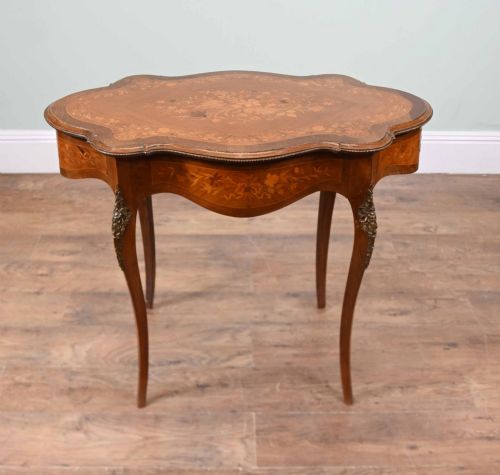
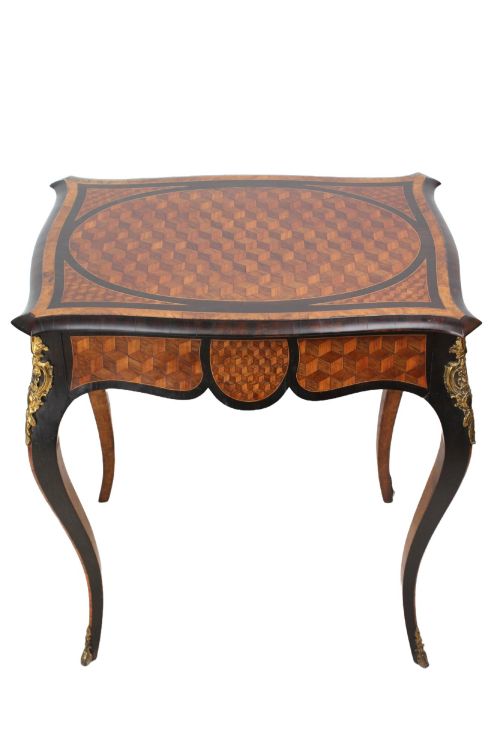
The assortment also includes French influences such as Louis XV and Rococo revival styles alongside Gothic and Renaissance interpretations. Each form channels past craftsmanship while serving modern utility.
Materials and construction methods
Cabinet makers utilised solid and veneered timbers including mahogany, walnut, satinwood, and oak for structure and visual depth. Inlaid details, marquetry, and painted surfaces added intricate decoration to standard writing forms.
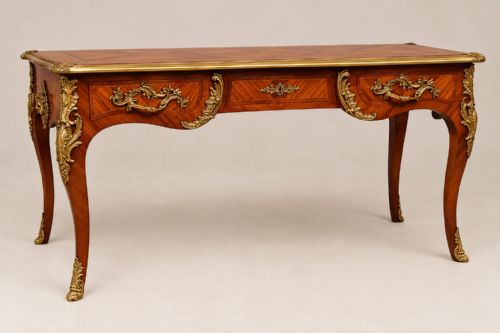
Metal mounts in brass and ormolu reinforced corners, handles, and decorative edges on French bureau plat styles and Victorian tables. Leather inserts frequently surfaced writing platforms to provide a smooth plane for correspondence.
Revival Furniture Desk Retail Price Guide 2026
Typical asking prices for revival furniture desk among the pieces listed under this phrase on Sellingantiques today, from the lower quarter to the upper quarter. They describe what is for sale here now, not the wider market.
Listings incorporate multiple timber species, including mahogany, walnut, satinwood, and oak, alongside brass, ormolu, and glass.
Distinctions in construction and finish
The standard of timber selection and the precision of joinery separate standard workshop output from exceptional cabinet work. Subtle hand-painted motifs and tight parquetry inlay require superior skill compared to pressed or simpler applied ornamentation.
Original hardware, sound structural joints, and intact leather surfaces preserve the integrity of a piece. The fluidity of carved details on walnut and oak frames dictates the aesthetic success of revival pieces.
Edwards & Roberts·JAS Shoolbred·Wylie & Lochhead Glasgow·Gillows·Mercier Frères
The Revival Furniture Desk Glossary
- Bureau plat
- A flat-topped freestanding writing desk typically featuring multiple drawers and French stylistic influences. This form originated in France during the eighteenth century and was frequently revived later.
- Carlton House desk
- A distinctive writing table featuring a curved superstructure of small drawers and compartments above the writing surface. Edwardian makers often produced satinwood versions of this form.
- Marquetry
- The art of applying decorative pieces of veneer to a structure to form intricate pictorial designs. Craftsmen utilised different coloured woods to create contrast.
- Ormolu
- Gilt bronze mounted onto furniture as decorative feet, handles, or corner accents. This technique gained prominence in French revival pieces.
- Davenport desk
- A compact desk featuring a sloping hinged writing surface above a pedestal of drawers. These pieces often incorporated side compartments for stationery.
Revival Furniture Desk: Frequently Asked Questions
What is a revival furniture desk?
A revival furniture desk is a piece produced in a later era that copies or adapts historical design movements. These items emerged in large numbers during the nineteenth and early twentieth centuries.
Cabinet makers drew inspiration from Georgian, Sheraton, and French Rococo styles to satisfy contemporary demand for historicist interiors.
How do I identify an Edwardian revival desk?
Edwardian revival desks often feature lighter satinwood finishes, delicate painted floral motifs, and Sheraton influences. They tend to have slender proportions suited to domestic drawing rooms.
Construction details and secondary woods help confirm the manufacturing period when style alone remains ambiguous.
Where should I place a leather top desk?
Leather top writing tables suit home offices, studies, or libraries where traditional furnishings dominate. The leather provides a durable writing surface that complements mahogany or walnut frames.
Keep these surfaces away from direct sunlight to prevent the leather from drying out and fading over time.
What distinguishes Gothic revival from other styles?
Gothic revival pieces utilise heavy oak, pointed arch motifs, and carved tracery reminiscent of medieval architecture. These desks and tables often display robust construction and dark patination.
Such forms contrast sharply with the lighter painted satinwood and delicate marquetry seen in Sheraton revival pieces.