



Retro Walnut Cabinet
A retro walnut cabinet brings bold grain patterns and sleek geometric lines straight into the room.
Retro Walnut Cabinet
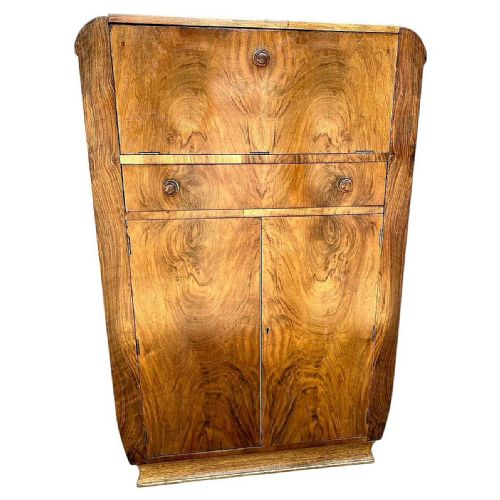
A retro walnut cabinet combines the rich, figured tones of walnut wood with the striking forms of the Art Deco and Mid-Century Modern periods. These pieces serve practical storage needs while doubling as focal points with strong architectural silhouettes.
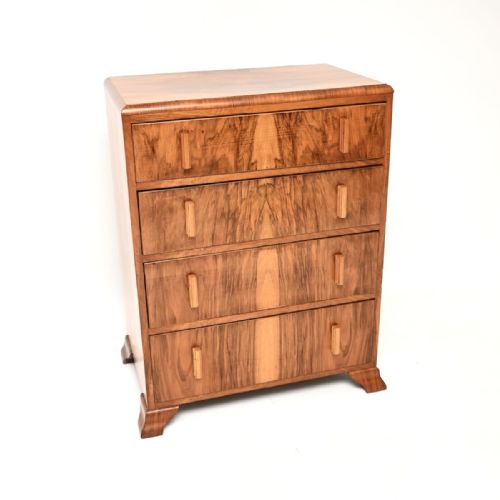
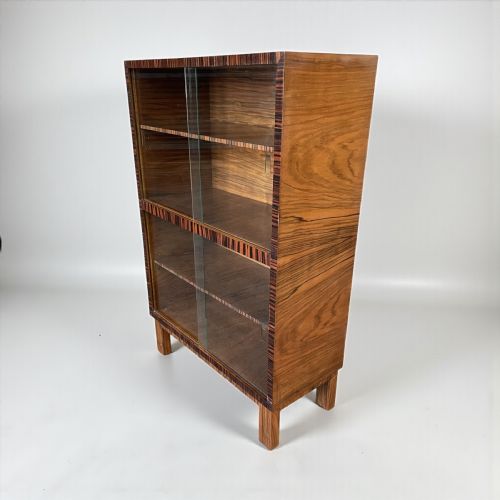
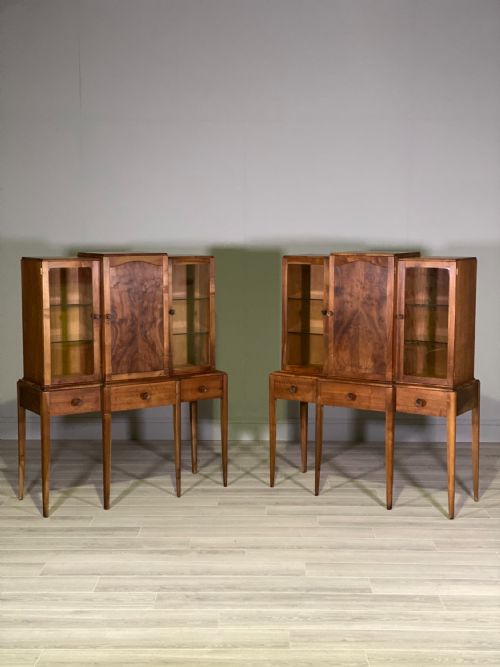
Most examples found here date from the 1930s or draw upon Edwardian and 1920s traditions, taking forms such as cocktail cabinets, bookcases, display cases, and bedside chests. Makers like Epstein and the Bowman Brothers defined this era of sophisticated home furniture.
Buyers seek these cabinets for their distinct visual warmth and versatile utility across living spaces, bedrooms, and dining rooms. The combination of figured timber veneer and polished brass hardware creates an enduringly stylish domestic presence.
How they were made
Makers constructed these cabinets using solid wood carcases overlaid with decorative walnut and burr walnut veneer to highlight the natural grain patterns. Sycamore and other secondary timbers often appeared alongside the walnut for internal elements and contrasting details.
Craftsmen applied thin slices of figured timber to curved and flat surfaces alike, balancing symmetry and visual movement across doors and drawer fronts. Brass hardware, glass panels, and occasional fabric linings completed the construction of these storage pieces.
Retro Walnut Cabinet Retail Price Guide 2026
Typical asking prices for retro walnut cabinet among the pieces listed under this phrase on Sellingantiques today, from the lower quarter to the upper quarter. They describe what is for sale here now, not the wider market.
Some cabinets feature clove-shaped silhouettes designed to add an unexpected organic curve to rigid Art Deco room layouts.
What varies in quality
The sophistication of the veneer work dictates much of the distinction between standard production and exceptional workshop pieces. Matched grain patterns that flow seamlessly across multiple doors demonstrate superior planning by the cabinet maker.
Named makers and attributed workshops bring documented provenance that elevates certain items above anonymous commercial production of the period. The integration of specialised forms, such as cocktail compartments or bespoke display shapes, also reflects higher design ambition.
Epstein·The Bowman Brothers·Arthur Reynolds Of Ludlow
The Retro Walnut Cabinet Glossary
- Burr walnut
- A prized wood growth featuring intricate, swirling grain patterns formed by deformed branch junctions. This material commands attention for its highly decorative appearance on cabinet doors.
- Art Deco
- A design style spanning the 1920s and 1930s characterised by sleek geometric shapes, streamlined forms, and lavish materials. It remains the dominant aesthetic for these walnut storage pieces.
- Veneer
- A thin layer of superior wood applied over a base timber foundation to provide a decorative surface. This technique allows cabinet makers to display dramatic grain figures efficiently.
- Cocktail cabinet
- A specialised storage piece designed for mixing and serving drinks, usually featuring mirrored interiors and glass shelves. These internal compartments often include dedicated space for glassware and bottles.
Retro Walnut Cabinet: Frequently Asked Questions
What is a retro walnut cabinet?
A retro walnut cabinet is a storage piece, typically from the Art Deco era or 1930s, featuring walnut wood and decorative veneer work. These items range from compact bedside units to large display cases and drinks cabinets.
They combine practical storage with distinctive period styling, making them popular choices for contemporary interiors seeking mid-century character.
How were these cabinets used originally?
Original uses varied widely depending on the specific form of the cabinet, from storing books and displaying ornaments to housing spirits and glassware in dedicated drinks furniture. Bedside versions kept personal items close at hand in the bedroom.
Today, owners adapt these versatile pieces for modern storage needs while letting the striking wood grain enhance their living space.
How do I identify an Art Deco walnut cabinet?
Art Deco cabinets display geometric forms, clean lines, and symmetrical wood veneers that highlight the natural patterns of walnut and burr walnut. Details like brass handles and curved silhouettes often accompany the design.
Pieces originating from this movement frequently date to the 1930s and may bear workshop attribution from notable makers.
How do I care for walnut veneer furniture?
Protect walnut veneer furniture by keeping it away from direct sunlight and extreme temperature fluctuations that can dry out the wood. Regular dusting with a soft, dry cloth preserves the polished surface.
Avoid using harsh chemical cleaners or excess moisture, which can damage the delicate veneer layers and historical finishes.