




Retro Wall Hanging
These retro wall hanging pieces bring character to a room through wood, glass, brass, and enamel.
Retro Wall Hanging
A retro wall hanging covers a diverse group of decorative objects designed to be mounted on walls, spanning from the Edwardian period through the mid-century modern era. Buyers searching this phrase encounter an eclectic mix of functional items and pure art, including wall mirrors, barometers, clocks, cabinets, signs, paintings, and oars.
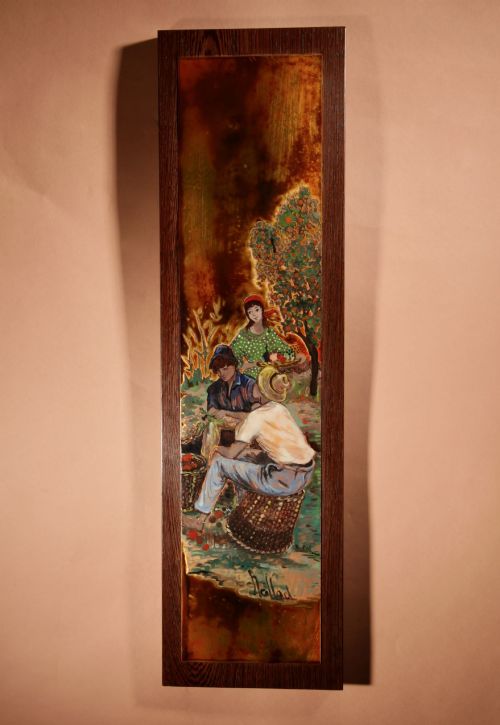
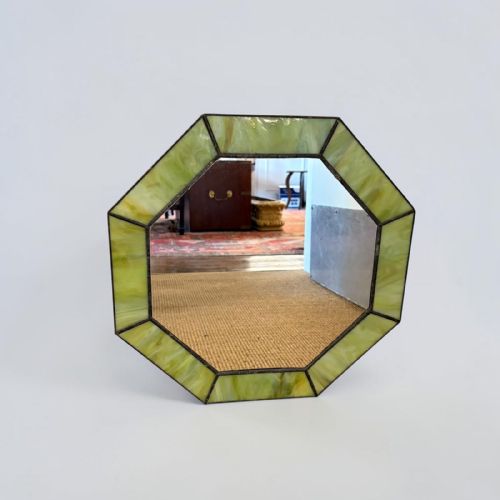
The selections on this page lean heavily towards mid-century modern and Art Deco aesthetics, alongside industrial and nautical pieces. Forms range from octagonal wall mirrors and oak clocks to enamel on copper paintings, pharmacy trade signs, and anatomical charts.
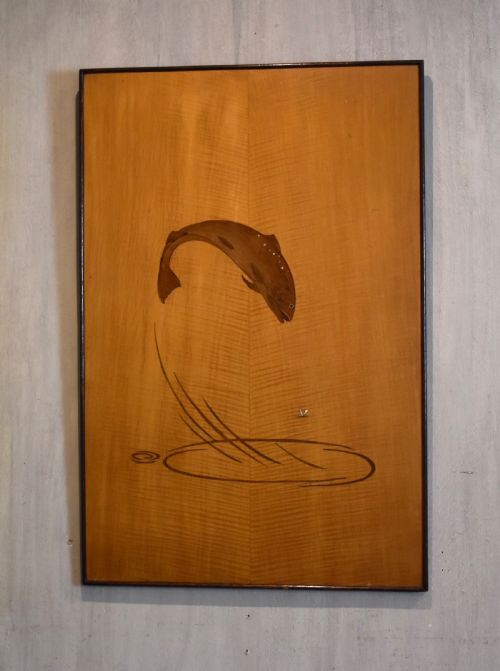
Origins stretch across multiple decades, with pieces originating from the 1910s, 1920s, 1930s, 1940s, 1950s, and 1960s. This variety ensures that whether a space calls for a nautical propellor or a marquetry salmon panel, the options reflect genuine past utility and design.
How they were made
Glass is employed principally in bevelled or framed wall mirrors, whilst paper and canvas support educational anatomical charts from the early twentieth century. Paints and varnishes finish these surfaces, protecting the underlying materials across decades of domestic and commercial use.
Retro Wall Hanging Retail Price Guide 2026
Typical asking prices for retro wall hanging among the pieces listed under this phrase on Sellingantiques today, from the lower quarter to the upper quarter. They describe what is for sale here now, not the wider market.
Listings feature materials spanning wood, oak, brass, glass, walnut, paint, enamel, and copper across multiple decades.
What varies in quality
Quality in these pieces rests upon the precision of the construction and the integrity of the materials, whether in the joinery of an oak wall clock or the clarity of a vintage mirror glass. Superior examples display careful hand-finishing, such as intricate marquetry work or clean enamel applications on copper.
The strength of the design execution dictates the distinction between standard utilitarian items and finer decorative works. Pieces that retain their original mechanical components, such as aneroid barometers or clock movements, demonstrate superior enduring craftsmanship.
Nella Damsma·W And A K Johnston
The Retro Wall Hanging Glossary
- Art Deco
- A design style prevalent in the 1930s characterised by sleek geometric shapes and stylised motifs. It appears here in mirrors, clocks, and cabinets.
- Aneroid barometer
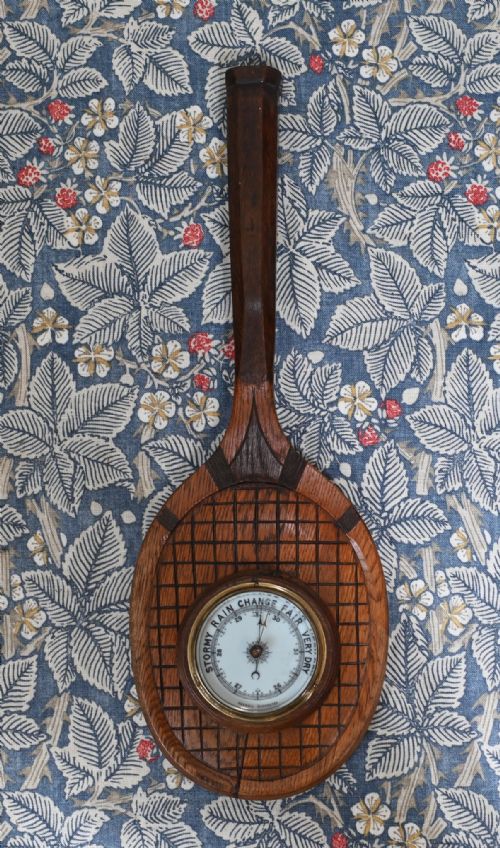
- An instrument for measuring atmospheric pressure without liquid, often mounted in wood or brass for domestic wall display.
- Marquetry
- The art of applying pieces of veneer to a structure to form decorative patterns, seen here depicting wildlife.
- Anatomical chart
- A scientific educational poster printed on canvas or paper, used originally for teaching human biology.
- Enamel on copper
- A technique where powdered glass is fused to a copper base through firing, creating durable coloured imagery.
Retro Wall Hanging: Frequently Asked Questions
What periods do these pieces come from?
The items span from the Edwardian era through the 1910s, 1920s, 1930s, and 1940s up to the mid-century modern period of the 1950s and 1960s.
Each decade contributes distinct material choices and aesthetic styles, ranging from industrial trade signs to Art Deco mirrors.
Are barometers and clocks still operational?
Many vintage barometers and clocks retain their mechanical inner workings, though functionality varies across individual items.
Some pieces serve primarily as decorative wall art rather than precise scientific or timekeeping instruments.
How do I care for enamel and copper art?
Enamel and copper surfaces require gentle dusting with a soft dry cloth to protect the fused glass and metal finish.
Avoid harsh chemical cleaning agents that might damage the paint or compromise the protective coating.