




Retro Vanity Table
These pieces for retro vanity table search are dressing tables, mirrors, and atomisers that bring functional dressing room elegance into modern bedrooms.
Retro Vanity Table
When you search for a retro vanity table, you encounter dressing furniture and accessories spanning from the early decades of the twentieth century up to the mid-century modern period. These items range from large dressing tables with matching chairs and stools to smaller desktop accessories such as easel mirrors and perfume bottles.
The most common forms you meet on this page are dressing tables and vanity mirrors executed in the Art Deco style. These examples frequently incorporate geometric woodwork, such as sycamore or oak, alongside functional tilting mirror plates for daily grooming.
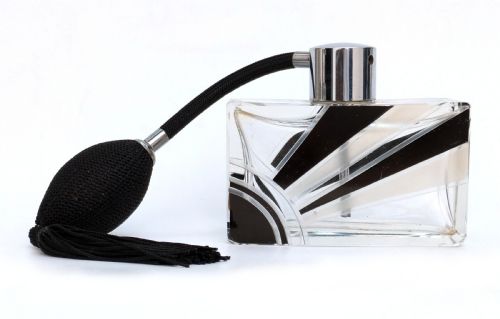
Smaller vanity items also populate the selection, including atomisers, trinket boxes, and matching ensembles in glass and metal. Such pieces reflect the intimate dressing rituals of the eras in which they were produced.
How they were made
Makers constructed these dressing tables and chests using hardwoods and decorative veneers like sycamore and oak, often shaping them with clean architectural lines typical of mid-century and Art Deco design. Metal elements such as chrome, brass, and steel frequently appear on mirrors and support frames.
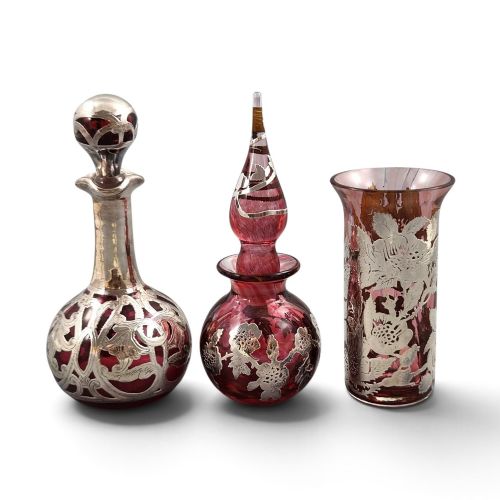
Glass and crystal feature prominently in the vanity mirrors, perfume atomisers, and ruby glass ensembles, shaped through cutting and moulding techniques. Fabric covers on seating pieces introduce soft textiles to complement the hard surfaces of the wood and metal frames.
Retro Vanity Table Retail Price Guide 2026
Typical asking prices for retro vanity table among the pieces listed under this phrase on Sellingantiques today, from the lower quarter to the upper quarter. They describe what is for sale here now, not the wider market.
The listings feature items spanning the decades from nineteen-hundred through the nineteen-fifties, employing materials such as sycamore, chrome, and ruby glass.
What varies in quality
The distinction between standard examples and the finest pieces lies in the sophistication of the materials and the complexity of the configuration. Items incorporating precious metals, sterling silver mounts, or high-grade cut ruby glass stand apart from simpler utilitarian pieces.
Design execution and hardware detailing also dictate the hierarchy within these objects. Unusually configured furniture and branded mirrors demonstrate superior craftsmanship compared to mass-produced domestic equivalents.
Gorham·Cartier London·Mirror Brot
The Retro Vanity Table Glossary
- Art Deco
- A design style characterised by sleek geometric shapes, streamlined forms, and stylised ornamentation popular during the interwar period. It dominates the aesthetic of many dressing tables and mirrors from the nineteen-thirties.
- Atomiser
- A small glass spray bottle fitted with a metal mechanism for dispersing perfume or scented water. These accessories often feature cut glass bodies.
- Sycamore
- A light-coloured hardwood frequently utilised for furniture veneers and cabinet making. Its pale grain provides a clean surface for Art Deco dressing tables.
- Easel mirror
- A tabletop mirror supported by a hinged prop at the back allowing the glass angle to be adjusted. They appear frequently in brass and chrome configurations.
Retro Vanity Table: Frequently Asked Questions
What is a retro vanity table?
A retro vanity table is a piece of dressing furniture designed for personal grooming and cosmetic storage, typically originating from the early to mid-twentieth century.
These tables often feature integrated mirrors and matching stools, incorporating styles such as Art Deco or Mid-Century Modern.
How do I use a vanity mirror?
Vanity mirrors are placed on top of dressing chests or used as standalone tabletop accessories for daily grooming and makeup application.
Many period examples include easel backs or tri-fold hinges that allow you to adjust the viewing angle.
What materials are common?
Common materials include woods such as sycamore and oak, paired with reflective surfaces like glass and chrome.
Accessory items also incorporate ruby glass, brass, sterling silver, and fabric upholstery.
How do I date these pieces?
You date these items by examining their stylistic markers, such as the geometric lines of Art Deco design or the industrial use of chrome and steel.
Maker marks, hardware construction, and material choices also help place pieces within the nineteen-twenties, thirties, or fifties.