



Retro Task Lamp
A retro task lamp brings industrial focus and period geometry directly to your desk.
Retro Task Lamp
A retro task lamp is a functional light source designed for workspaces, reading desks and drawing tables. The items gathered here encompass desk lamps, table lamps and floor lamps spanning the early decades of the twentieth century.
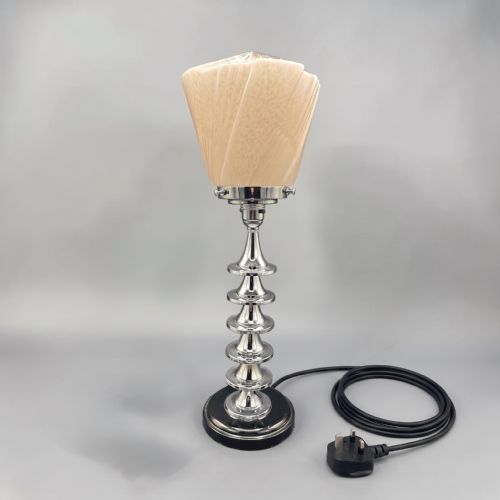
You will most frequently encounter designs from the nineteen-thirties and nineteen-twenties embodying the Art Deco, Edwardian and Machine Age styles. These lamps concentrate light precisely where required through adjustable arms, flexible stems and directional metal or glass shades.
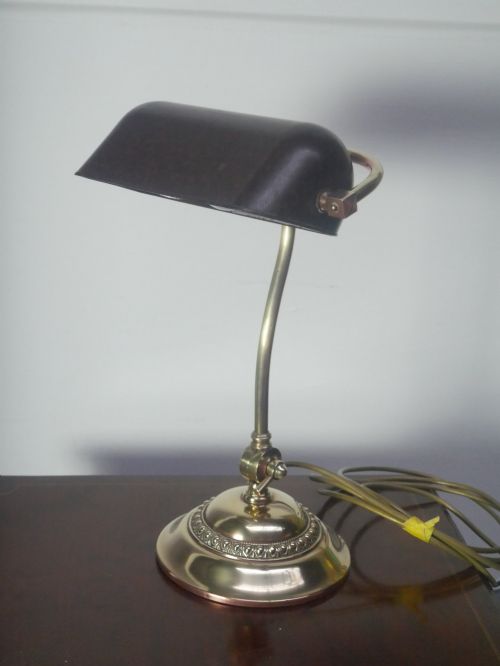
Originating from British, French and international workshops, these pieces combine utility with distinct period aesthetics. They range from bankers lamps with green glass shades to chrome adjustable fixtures and heavy cast iron bases.
How they were made
Makers constructed these task lamps using durable industrial metals including brass, chrome, steel and cast iron. These materials provided the necessary weight and stability for articulated arms and heavy bases.
Electrical components integrated early plastics such as Bakelite for switches and housings alongside traditional fabric flex cables. Glass elements, including frosted shades and shell-shaped diffusers, softened the illumination while maintaining clean geometric profiles.
Retro Task Lamp Retail Price Guide 2026
Typical asking prices for retro task lamp among the pieces listed under this phrase on Sellingantiques today, from the lower quarter to the upper quarter. They describe what is for sale here now, not the wider market.
Early twentieth-century desk lamps often retain their original fabric flex cords, showing the stubborn resilience of vintage cloth wiring.
What varies in quality
The standard of a retro task lamp depends on the integrity of its articulation and the weight of its construction. Superior examples maintain tension in their adjustable arms and joints without drooping or slipping from position.
Material finish and component authenticity separate standard production items from finer workshop pieces. Original details such as maker stamps, untouched metal platings and period-correct fabric flex elevate the standing of an individual lamp.
Herbert Terry·Pirouette·Hawkins
The Retro Task Lamp Glossary
- Anglepoise
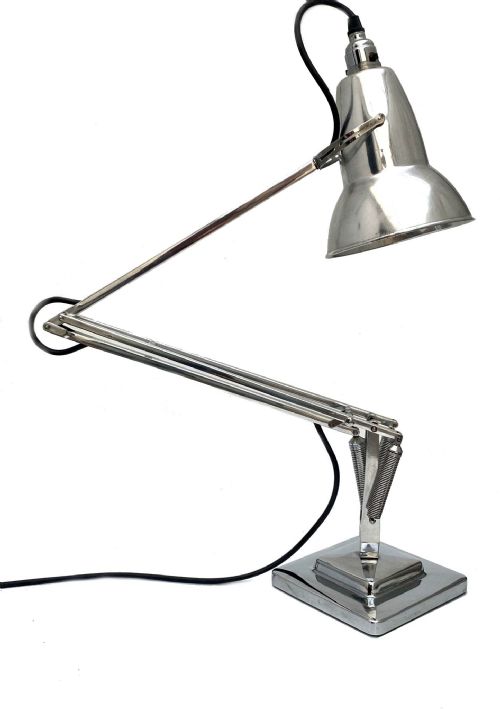
- A type of spring-balanced task lamp invented in the twentieth century that maintains position through a system of levers and tension springs.
- Bakelite
- An early thermosetting phenol formaldehyde resin used for electrical insulation, switches and decorative lamp components.
- Toleware
- Painted or enamelled metalware, often utilised for lamp shades to provide a durable, coloured surface.
- Machine Age
- An early twentieth-century design aesthetic celebrating industrial machinery, streamlined forms and polished metals.
Retro Task Lamp: Frequently Asked Questions
How do I adjust a task lamp?
Most period task lamps utilise adjustable chrome or brass arms, friction joints or internal springs to direct light. You simply move the shade or stem to the desired angle, and the mechanical tension holds the position.
Ensure you support the joints rather than pulling the shade directly when adjusting older metals to prevent undue stress on the historical fixings.
What is a bankers desk lamp?
A bankers desk lamp is a traditional office light typically featuring a heavy brass base and a green glass shade. It was designed to provide focused, glare-free illumination for paperwork and ledgers.
These pieces often include a pull-chain switch and a sturdy weighted foot to keep the lamp stable on wooden partner desks.
Can I use modern lightbulbs?
Many vintage task lamps accept standard modern screw or bayonet bulbs, provided the wattage matches the historical capacity of the fitting. Low-heat LED bulbs are often recommended to protect vintage wiring and shades.
Consult a qualified electrician to inspect older internal wiring and brass lamp holders before regular daily use.
How do I identify an Art Deco lamp?
Art Deco task lamps display characteristic geometric lines, stepped bases and machine-age chrome or brass finishes. Look for streamlined silhouettes, shell-shaped metal shades and exposed mechanical joints typical of the nineteen-twenties and thirties.
Makers of this era embraced industrial functionality alongside sleek decorative surfaces, distinguishing their work from earlier Victorian ornamentation.