



Retro Storage Cupboard
A retro storage cupboard brings practical storage and distinct mid-century style into the home.
Retro Storage Cupboard
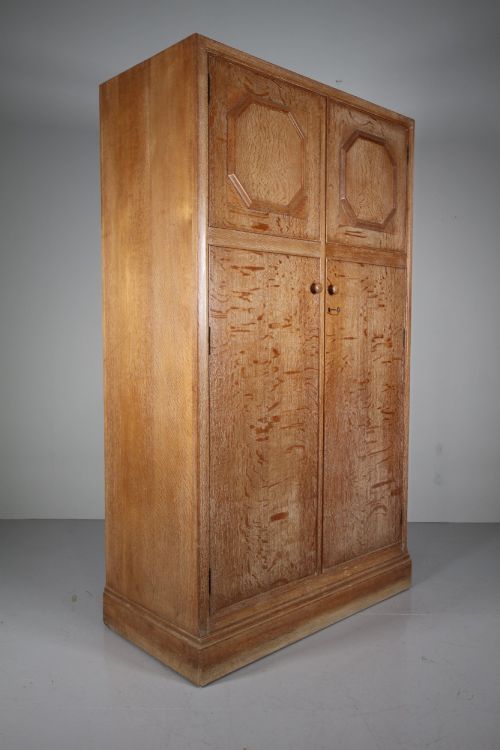
A retro storage cupboard offers versatile organisation through enclosed shelving and cabinets, taking form as sideboards, bedside cabinets, wall units, and fitted wardrobes. These pieces draw from periods spanning the Edwardian era through the 1920s, 1930s, 1940s, and 1950s, reflecting diverse design movements.
The selections available here showcase styles such as Art Deco, Mid-Century Modern, Arts and Crafts, Industrial, and French Utility. Buyers frequently encounter oak and teak constructions alongside metal, glass, and plywood variations.
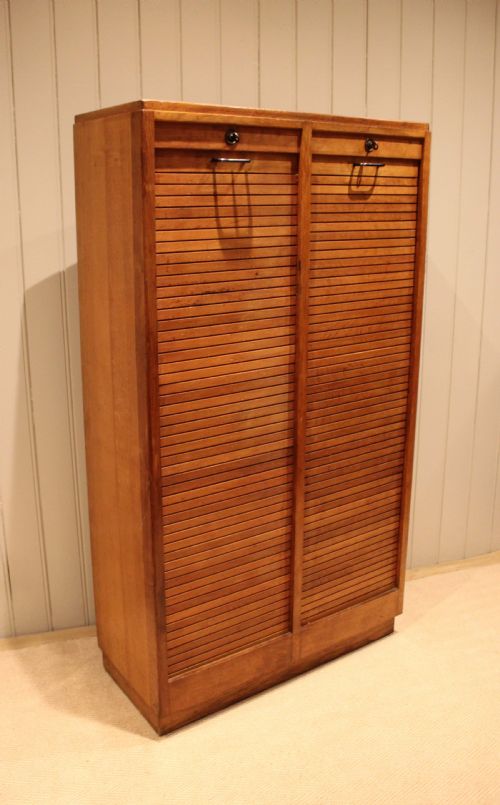
Origin details and maker attribution often emerge through specific workshop touches, from tambour fronts to fitted interiors. These cupboards serve both functional utility and aesthetic enhancement in modern living spaces.
How they were made
Construction relies heavily on traditional timbers like oak, teak, and beech, frequently paired with sturdy plywood for internal shelving and backing. Metal elements such as brass fixtures and aluminium panels introduce industrial durability to the designs.
Glass panels feature in wall cabinets and door fronts, allowing visibility while protecting the interior contents. Joinery techniques vary from simple shelving inserts to complex tambour mechanisms and fitted wardrobe compartments.
Retro Storage Cupboard Retail Price Guide 2026
Typical asking prices for retro storage cupboard among the pieces listed under this phrase on Sellingantiques today, from the lower quarter to the upper quarter. They describe what is for sale here now, not the wider market.
Airman sideboards bring aviation-grade aluminium straight into the dining room.
What varies in quality
The choice of primary timber dictates much of the inherent quality, with dense hardwoods like oak and teak offering greater longevity than standard plywood or secondary woods. Superior execution appears in the smoothness of moving parts, such as tambour doors and fitted drawers.
Maker attribution and stylistic cohesion elevate certain pieces above standard utility items. Distinctive hardware, such as brass details or specialised aluminium cladding, marks out the more ambitious designs of the period.
Heals Of London·Crown Furniture·Bowman Brothers·Phoenix Gallery
The Retro Storage Cupboard Glossary
- Tambour
- A flexible door constructed from narrow strips of wood or metal attached to a canvas backing, allowing it to slide smoothly around a curved track. This mechanism saves space in tight interiors.
- Art Deco
- A design style emerging in the interwar period characterised by geometric shapes, stylised motifs, and sleek lines. It influences many sideboards and wall cabinets from the era.
- Mid-Century Modern
- An architectural, interior, and product design development spanning the middle decades of the twentieth century. It prioritises clean lines, minimal ornamentation, and functional forms in teak and oak.
- Arts and Crafts
- A design movement valuing traditional craftsmanship, natural materials, and simple forms. Pieces from this tradition often display honest construction in solid oak.
- French Utility
- A functionalist style born from material restrictions and practical needs, resulting in sturdy, no-nonsense storage solutions. These pieces focus purely on utility without superfluous decoration.
Retro Storage Cupboard: Frequently Asked Questions
Where should I place a retro storage cupboard?
These cupboards suit living rooms, hallways, and bedrooms depending on their specific form, whether functioning as a sideboard or a bedside table.
Ensure the dimensions match your floor space and allow clearance for doors or tambour mechanisms to open fully.
How do I clean wooden surfaces safely?
Dust regularly with a soft, dry cloth to prevent dirt accumulation on the timber grain.
Avoid harsh chemical sprays and excess water, using a damp cloth only when necessary followed by immediate drying.
Are these cupboards suitable for daily heavy use?
Solid timber construction in oak and teak provides robust durability for everyday storage requirements.
Internal shelving and fitted compartments handle standard household items reliably when weight is distributed evenly.
How do I identify Art Deco styling?
Look for symmetrical geometric patterns, stepped outlines, and streamlined silhouettes across the cabinet doors and framing.
Details often include contrasting veneers or polished metal hardware characteristic of the interwar period.