

Retro Statement Ring
A retro statement ring brings together substantial scale, bold geometric or organic forms, and significant gemstones from the mid-twentieth century.
Retro Statement Ring
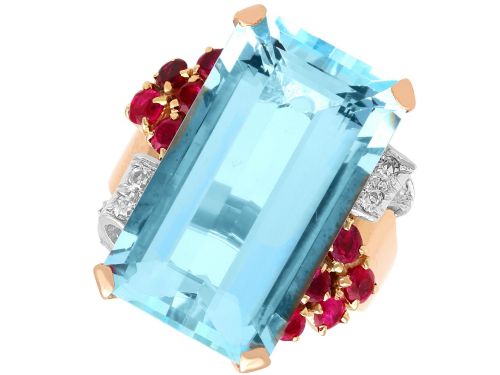
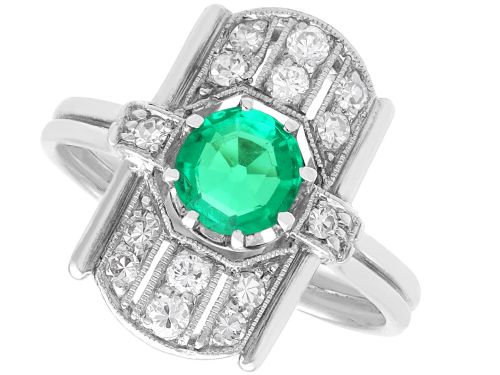
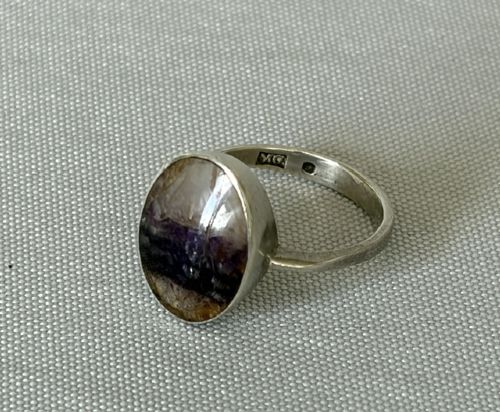
A retro statement ring is typically defined by its generous proportions and strong visual presence, drawing heavily on mid-century, Art Deco, and modernist design idioms. These pieces frequently manifest as cocktail rings, dress rings, or chunky bands designed to dominate the hand.
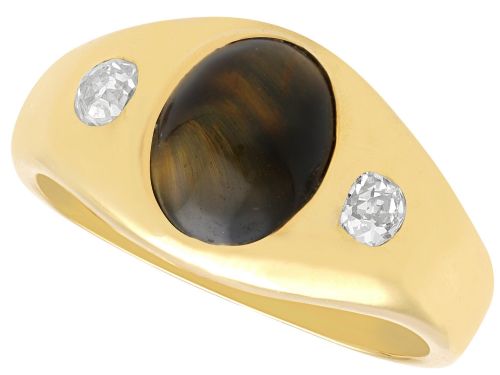
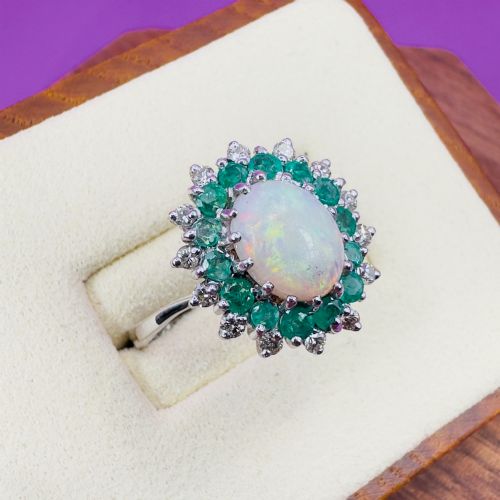
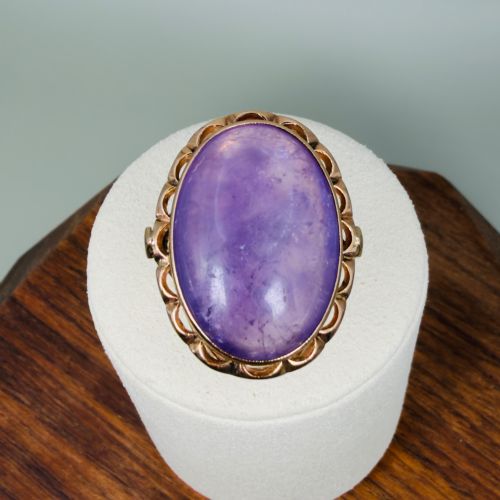
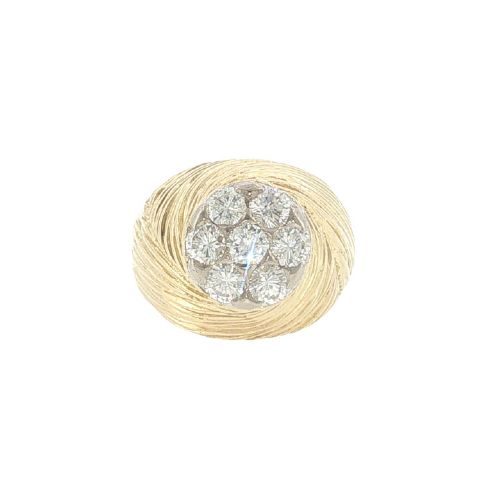
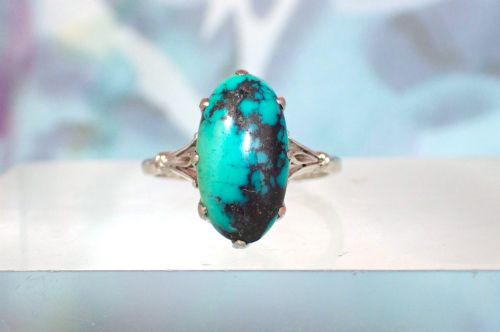
The materials span from 1920s platinum and white gold to 1940s rose gold and 1960s yellow gold, often framing oversized central gems. Tiger's eye, aquamarine, opal, turquoise, and massive diamonds are common across these eras.
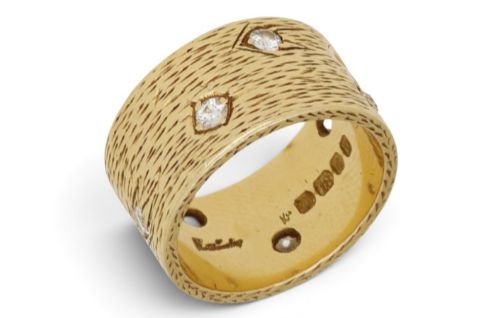
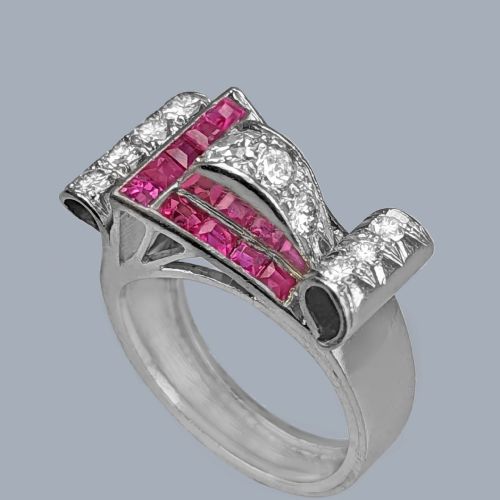
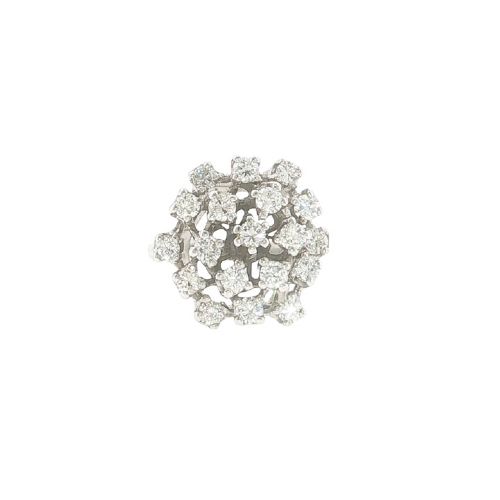
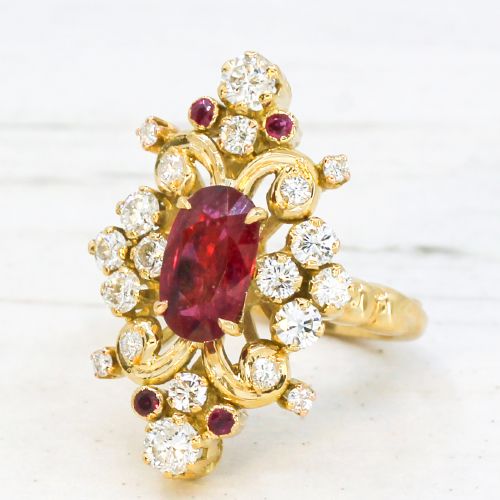
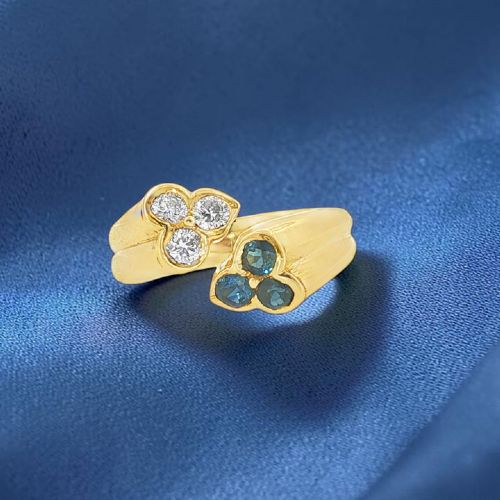
Originating largely from the 1930s through to the 1970s, the selection encompasses Tank-style geometric mountings, fluid scroll panels, and structured ballerina clusters. Buyers encounter everything from Italian sapphire mountings to London-hallmarked statement bands.
How They Were Made
Master jewellers constructed these pieces using heavy gauge 18ct and 14ct gold, platinum, and silver, forming robust foundations to support substantial stones. Casting and hand fabrication allowed for the creation of intricate textured surfaces, stepped architectural tiers, and sweeping scroll panels.
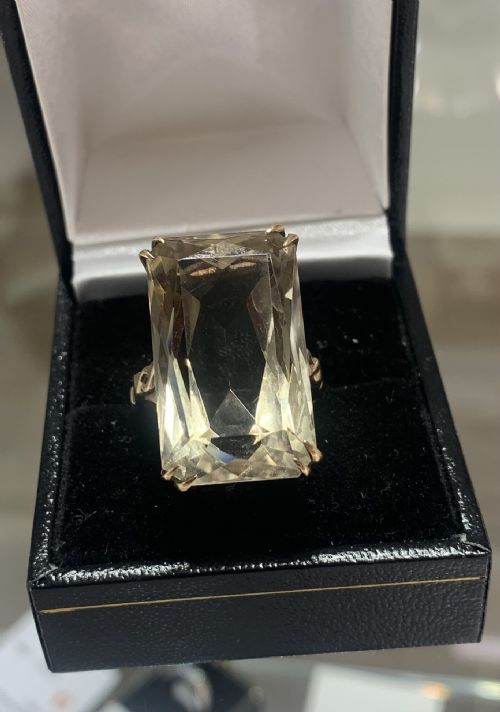
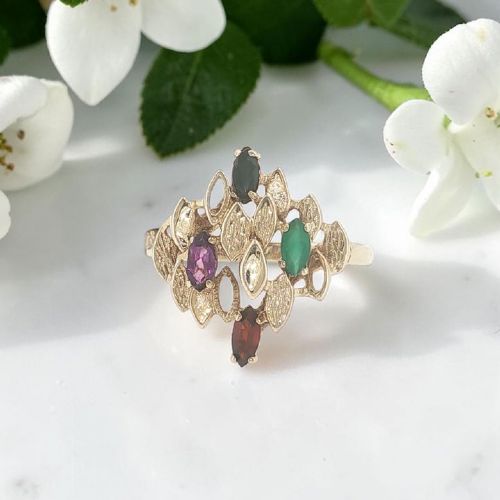
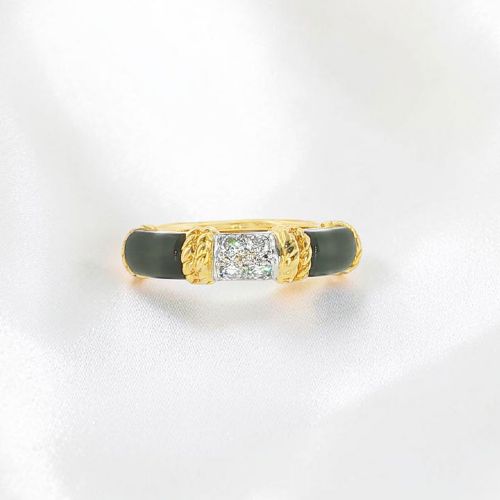
Gemstones such as aquamarine, kunzite, and smoky quartz were cut in large cabochon or emerald shapes, then secured with sturdy claw settings or flush mountings. Contrasting accents of diamonds, rubies, and black onyx were frequently channel-set or pavé-set to enhance the central focus.
Retro Statement Ring Retail Price Guide 2026
Typical asking prices for retro statement ring among the pieces listed under this phrase on Sellingantiques today, from the lower quarter to the upper quarter. They describe what is for sale here now, not the wider market.
Some rings carry enough gold and stone weight to double as hand weights for miniature bodybuilders.
What Varies in Quality
The calibre of a retro statement ring rests in the proportion and integration of its materials, where heavy, substantial precious metal mountings securely anchor outsized centre stones without sagging or twisting. Superior examples display crisp casting work, deliberate texturing, and stones chosen for strong natural colour saturation.
Design ambition separates standard commercial production from the work of notable makers and ateliers. Pieces featuring complex layered construction, such as Tank rings or articulated ballerina clusters, demonstrate advanced goldsmithing that elevates the visual impact.
Kutchinsky
The Retro Statement Ring Glossary
- Tank Ring
- A bold, architectural style of jewellery originating in the 1940s, characterised by chunky, stepped gold forms that mimic military machinery and heavy vehicle treads.
- Ballerina Ring
- A clustered ring design featuring a central oval or round gemstone encircled by a radiating halo of tapered baguette-cut diamonds, resembling a tutu.
- Cabochon
- A gemstone shaped and polished with a smooth, convex domed surface rather than being faceted with flat planes.
- Bombé Ring
- A rounded, dome-shaped ring style popular in the mid-twentieth century that curves outward significantly from the finger to display pavé-set gems.
Retro Statement Ring: Frequently Asked Questions
What defines a retro statement ring?
These rings are defined by their substantial physical weight, large central gemstones, and the distinct design languages of the mid-twentieth century. They were created to catch the eye and command attention on the hand.
Designs draw from Art Deco geometry, 1940s Tank forms, and 1960s modernist abstraction. The focus remains on heavy gold or platinum mountings paired with bold coloured stones.
How do I date a mid-century ring?
Dating relies on a combination of hallmarks, metal choices, and prevailing design styles recorded across the decades. For instance, rose gold and geometric Tank motifs point strongly to the 1940s.
Later decades introduced heavy textured yellow gold, abstract lattices, and specific maker marks. Examining the cut of smaller accent diamonds also helps narrow down the period of manufacture.
Are these rings suitable for daily wear?
Their substantial construction makes many of these pieces durable, though their generous size requires some mindfulness during daily activities. Selecting a ring with a secure bezel or robust claw setting helps protect the centre stone.
Softer feature stones like opal or turquoise benefit from careful treatment to preserve their polished surfaces. Rotating the piece for different occasions keeps the mounting and prongs secure.
What gemstones appear in these designs?
A wide spectrum of precious and semi-precious stones anchors these designs, ranging from classic diamonds and sapphires to massive aquamarines and kunzites. Opaque gems like turquoise, coral, and black onyx also feature prominently.
Many pieces use striking colour contrasts, pairing emeralds with white gold or rubies with yellow gold. This variety reflects the experimental spirit of mid-century jewellers.