




Retro Silver Chain
These pieces of retro silver chain combine twentieth-century metals with distinctive twentieth-century styles to provide a wearable piece of history.
Retro Silver Chain
A retro silver chain search uncovers items ranging from necklaces and bracelets to pocket watches with chains and matching cufflinks. The pieces span several decades of the twentieth century, specifically the 1920s, 1930s, 1940s, 1950s, and 1960s.
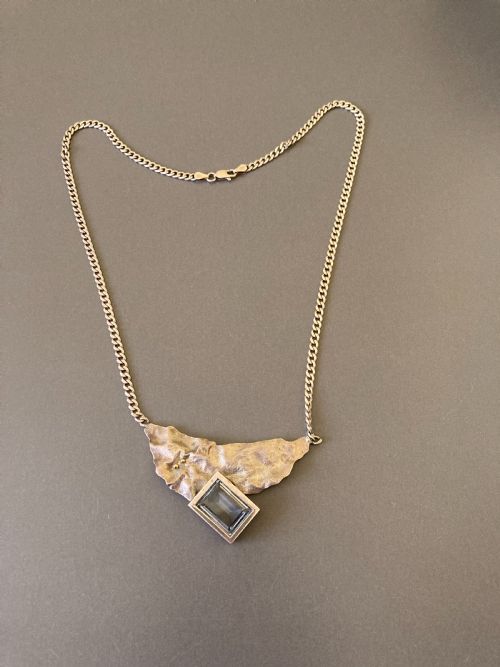
Necklaces form a prominent part of the selection, often incorporating elements like malachite, enamel, blue topaz, onyx, and coral alongside the metal framework. Buyers frequently encounter vintage silver necklaces bearing Mid-Century, Modernist, and Art Deco stylistic traits.
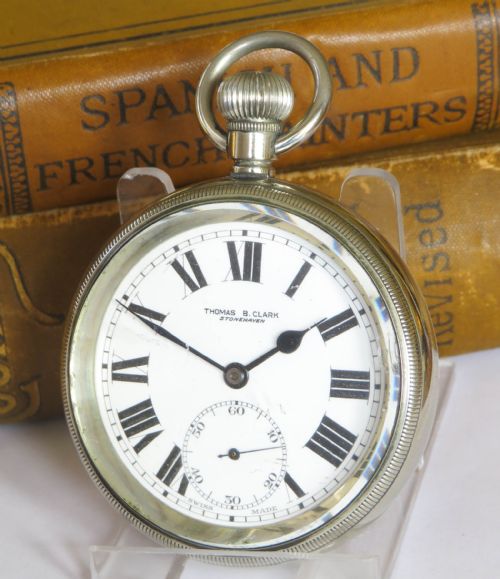
Alongside neckwear, the inventory includes Swedish silver bracelets and pocket watches paired with chains from makers like Cyma and Stonehaven. These varied forms demonstrate how silver and silver-tone metal served both functional and decorative purposes across different eras.
How they were made
Construction relies heavily on silver, sterling silver, solid silver, German silver, and silver-tone metal, which form the primary structure for necklaces, bracelets, and pocket watch chains. Metalsmiths combined these silver bases with natural materials.
Artisans integrated decorative accents such as enamel, malachite, blue topaz, onyx, and coral into the metalwork. These components were set or enamelled into the pieces to create visual contrast against the silver backgrounds.
Retro Silver Chain Retail Price Guide 2026
Typical asking prices for retro silver chain among the pieces listed under this phrase on Sellingantiques today, from the lower quarter to the upper quarter. They describe what is for sale here now, not the wider market.
Timekeeping meets neckwear when a Revue or Cyma pocket watch arrives paired with its original chain.
What varies in quality
Quality differences emerge in the selection and integration of supplementary materials, such as the depth of the enamel or the grade of stones like malachite, topaz, onyx, and coral. Higher-tier examples demonstrate superior integration of these colourful elements within the silver framework.
The sophistication of the period style also dictates distinction, moving from standard utilitarian pocket watch chains to complex Art Deco, Mid-Century, and Modernist designs. Craftsmanship in shaping sterling or solid silver distinguishes standard items from superior pieces.
The Retro Silver Chain Glossary
- Sterling Silver
- An alloy of silver containing 92.5 percent pure silver and 7.5 percent other metals, usually copper. This standard composition provides durability for items intended to be worn regularly.
- German Silver
- A copper-nickel-zinc alloy that contains no actual elemental silver despite its name. It offers a bright metallic appearance suitable for vintage necklaces.
- Modernist
- A design movement focusing on abstraction, minimalism, and new geometric forms. It rejected traditional ornamentation in favour of clean lines seen in mid-century jewellery.
- Art Deco
- A style characterised by sleek geometric shapes, streamlined forms, and bold designs popular during the 1920s and 1930s. It influences the structure of pocket watches and matching cufflinks.
Retro Silver Chain: Frequently Asked Questions
What periods do these silver chains come from?
The available items span multiple decades from the early to mid-twentieth century, specifically covering the 1920s, 1930s, 1940s, 1950s, and 1960s.
These pieces reflect stylistic shifts from Art Deco through to Mid-Century Modernist designs.
What materials are used alongside the silver?
Makers incorporated various stones and decorative mediums such as malachite, blue topaz, onyx, coral, and enamel.
These materials add colour and texture to the silver, sterling silver, German silver, and silver-tone metal structures.
Are all the items necklaces?
No, the selection includes a variety of object types beyond necklaces, such as bracelets, matching pairs of cufflinks, and pocket watches complete with chains.
Each form utilises silver or related metal alloys in its construction.
How do I identify a Modernist piece?
Modernist pieces typically feature clean geometric lines, abstract forms, and an absence of traditional ornamental flourishes.
This aesthetic became particularly prominent during the mid-century period.