





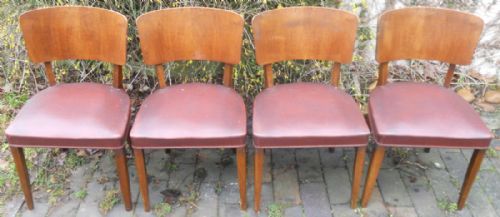
Retro Seating
These pieces of retro seating bring character and functional history into a room through enduring design.
Retro Seating
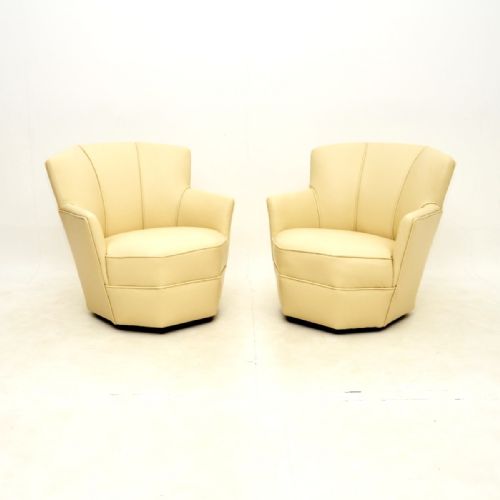
When you search for retro seating, you encounter a mix of armchairs, dining chairs, stools, and benches spanning the early to mid-twentieth century. The selection leans heavily towards the 1930s Art Deco period, alongside industrial utility pieces and mid-century bentwood forms.
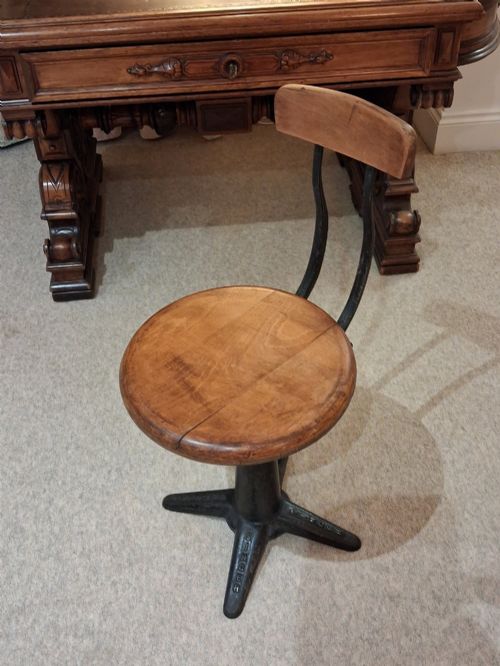
Armchairs and dining chairs dominate the offering, often featuring wood frames paired with leather, fabric, or cane upholstery. You will also find specialised seating such as bar stools, lab stools, and railway station benches that reflect the utilitarian needs of their respective eras.
How they were made
Makers utilised timber frames constructed from walnut, beech, sycamore, and general hardwoods, frequently employing bentwood techniques to achieve curved structural lines. These wooden foundations were often combined with cane work or upholstered surfaces finished in leather, velvet, and various fabrics.
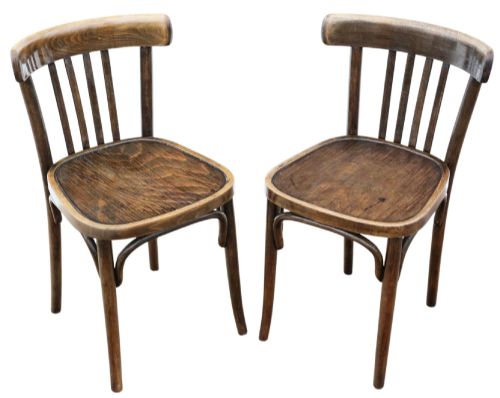
Construction methods range from the steam-bent processes seen in Thonet bistro chairs and Lloyd Loom weaving to heavy-duty industrial framing found in railway benches and laboratory stools.
Retro Seating Retail Price Guide 2026
Typical asking prices for retro seating among the pieces listed under this phrase on Sellingantiques today, from the lower quarter to the upper quarter. They describe what is for sale here now, not the wider market.
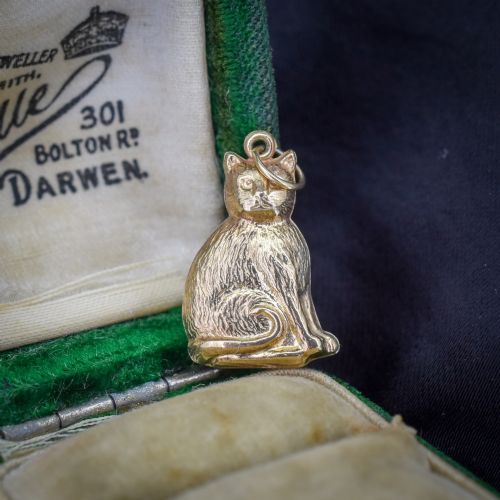
Among the sturdy benches and stools sits a tiny feline charm, proving that retro seating categories occasionally house a feline passenger.
What varies in quality
The distinction between ordinary and superior pieces rests on the integrity of the original timber frame and the authenticity of its materials. Walnut and sycamore framing with retained patination commands greater interest than generic timber work.
Upholstery condition and the quality of restorative work also dictate the tier of a piece. Examples retaining original leather or cane work sit alongside those with updated fabric coverings, where the skill of the reupholstery determines the piece's finish.
Thonet·Heals·Lloyd Loom
The Retro Seating Glossary
- Art Deco
- A design style spanning the 1920s and 1930s characterised by streamlined forms and geometric patterns. It influences many of the armchairs and dining chairs found in this category.
- Bentwood
- Wood that has been heated with steam and bent into curved shapes. This technique is prominent in bistro chairs and mid-century seating.
- Bergere
- A type of enclosed upholstered armchair with a wooden frame where the sides are typically filled with cane work. This technique appears on mahogany armchairs from the period.
- Utility
- A standard of furniture production introduced during periods of wartime shortage to conserve materials. It focuses on functional design and economy of manufacture.
- Lloyd Loom
- A manufacturing process involving twisted wire woven into a durable fabric used for furniture construction. It is famously seen in armchairs from the 1930s.
Retro Seating: Frequently Asked Questions
What periods do these chairs come from?
The pieces span from the late nineteenth century through the 1920s, 1930s, 1950s, and 1960s. The majority of the items originate from the 1930s Art Deco era.
You will also find occasional industrial railway and laboratory pieces alongside mid-century bentwood designs.
Are these chairs suitable for daily use?
Many of these pieces are robust enough for everyday seating in modern homes. Items like dining chairs, armchairs, and stools were built for practical utility.
Some pieces feature updated upholstery or new covers that make them comfortable for regular daily living.
How do I identify an Art Deco chair?
Art Deco chairs typically feature geometric lines, smooth wooden frames in walnut or mahogany, and sometimes cane panel inserts. They reflect the modernist design shifts of the 1920s and 1930s.
Many examples pair these strong wooden structures with leather or patterned fabric upholstery.
What is bentwood furniture?
Bentwood furniture is created by steaming wood until it becomes pliable, allowing craftsmen to bend it into curved structural components. This method produced lightweight yet durable chairs.
It is especially common in the bistro dining chairs and mid-century seating found within this selection.