

Retro Pendant Lighting
Retro pendant lighting gathers ceiling fixtures and hanging lamps from past decades to bring focused illumination and period character into a room.
Retro Pendant Lighting
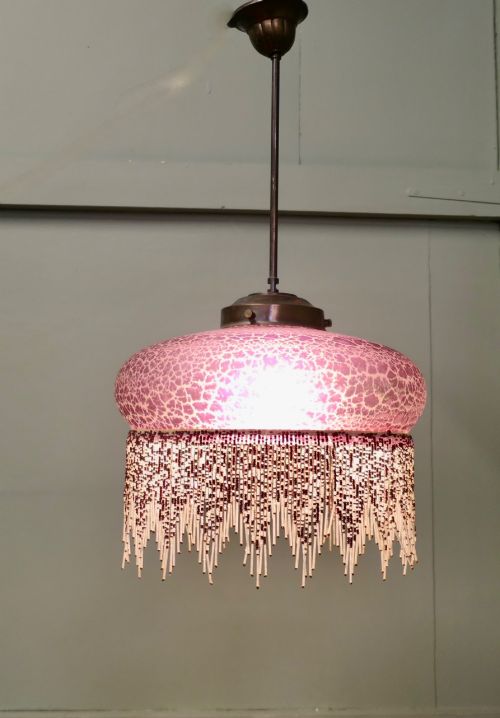
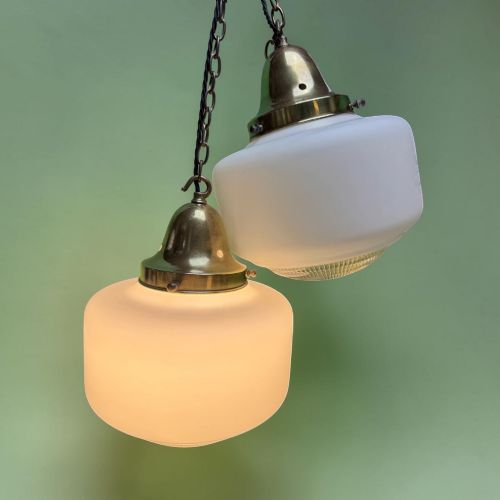
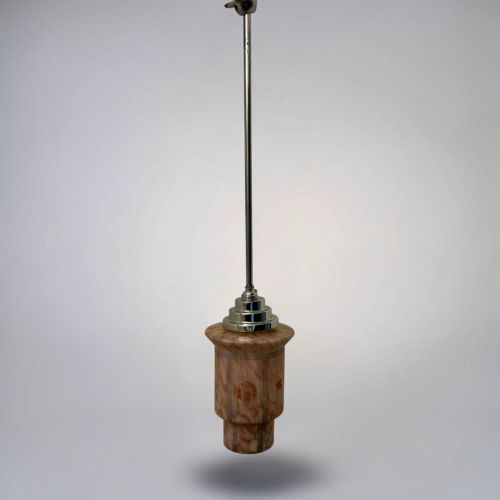
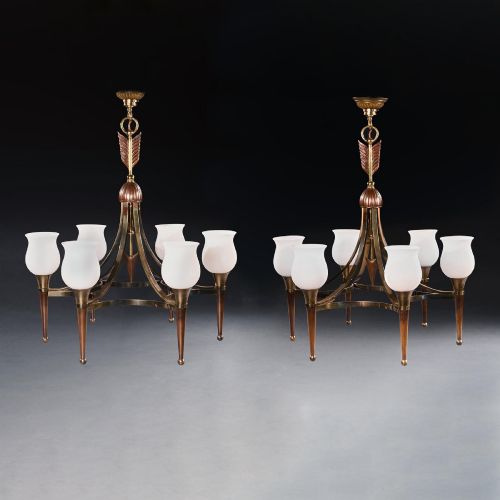
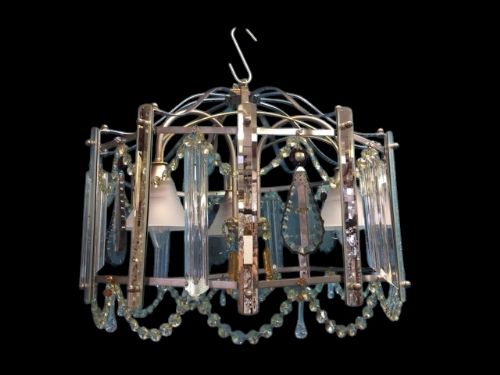
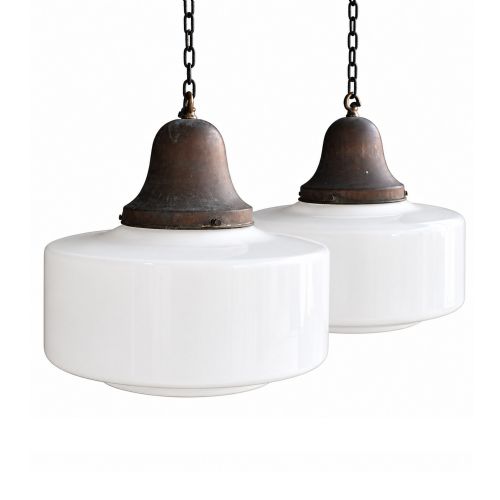
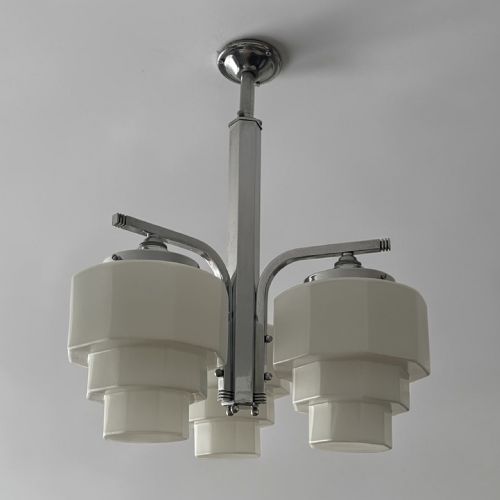
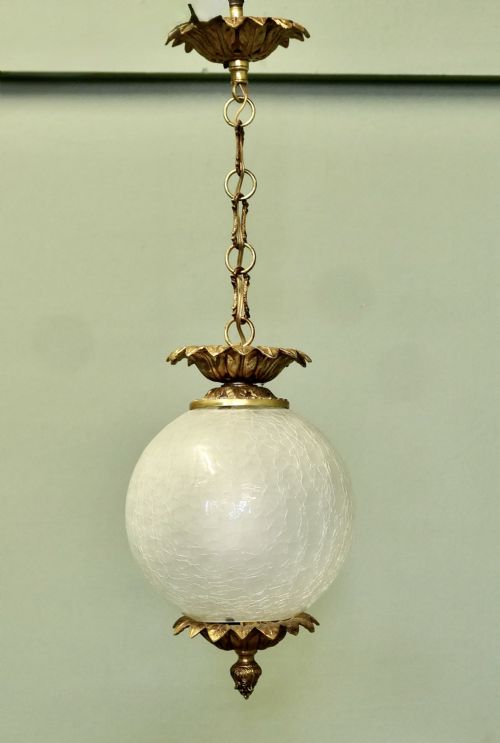
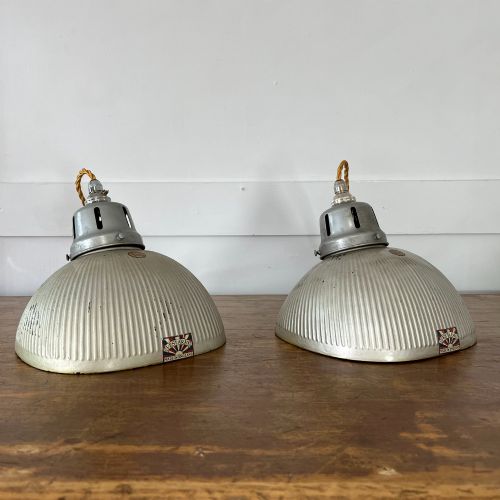
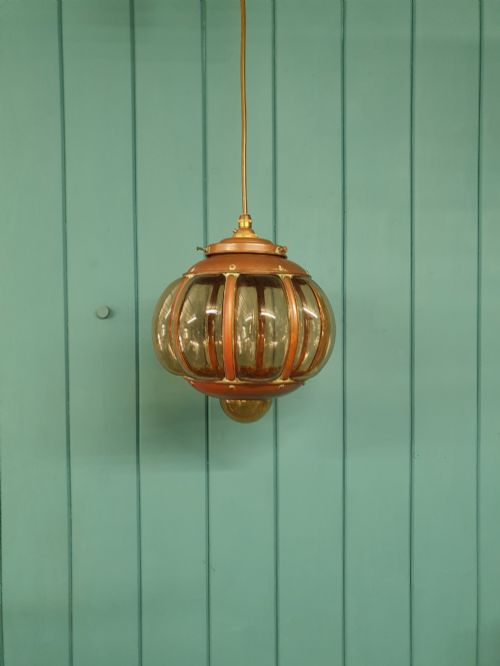
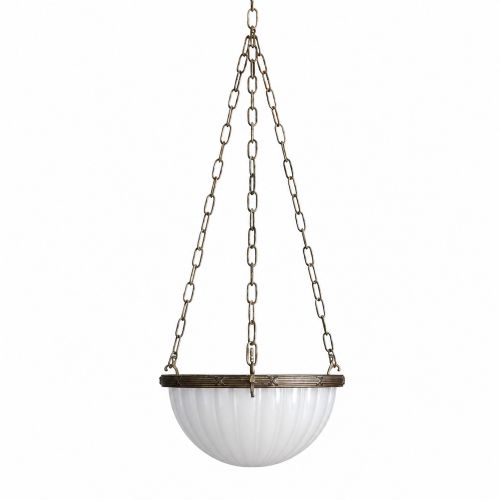
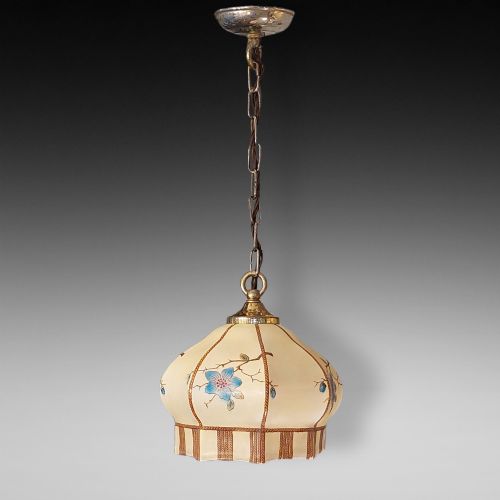
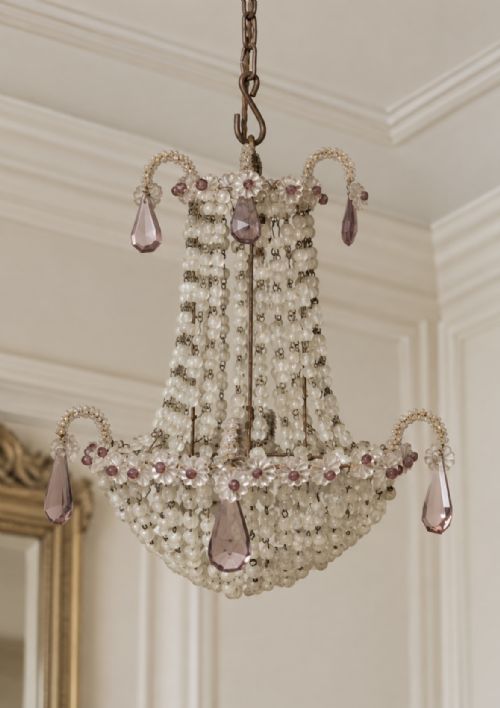
Retro pendant lighting covers ceiling lights, chandeliers, and hanging lamps drawn from the early twentieth century through the mid-century period. Buyers seeking these fixtures encounter forms ranging from industrial factory shades to geometric Art Deco glass globes and polished metal fittings.
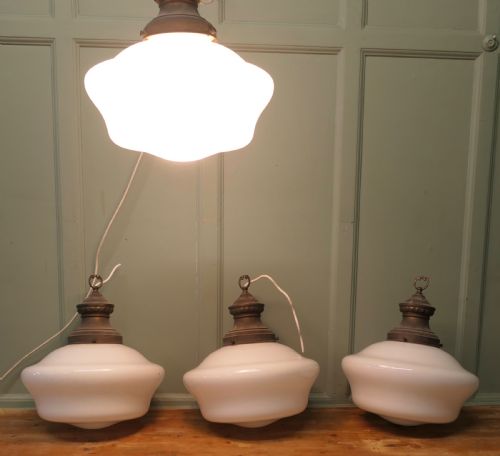
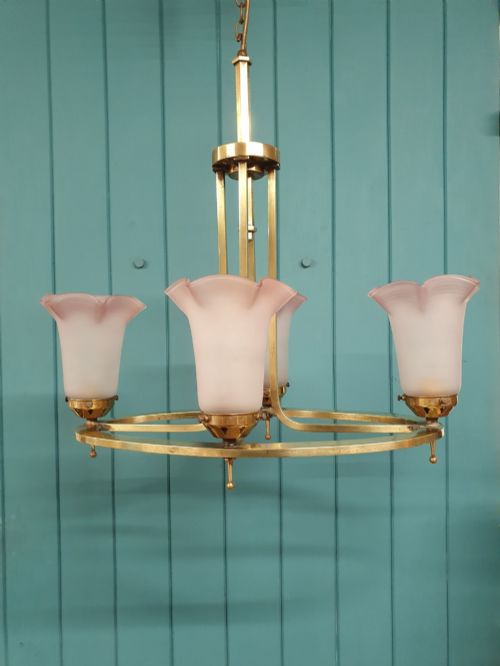
The selection on this page relies heavily on items from the 1920s and 1930s, alongside Edwardian, Victorian, and mid-century examples. Common configurations include opaline glass shades, brass chandeliers, and robust enamel or metal ceiling lights suited to suspended hanging.
How they were made
These fixtures combine metals such as brass, copper, chrome, steel, and iron with moulded, frosted, or hand-painted glass components. Makers utilised brass galleries and metal fixings to secure heavy glass shades, opaline globes, and alabaster bowls.
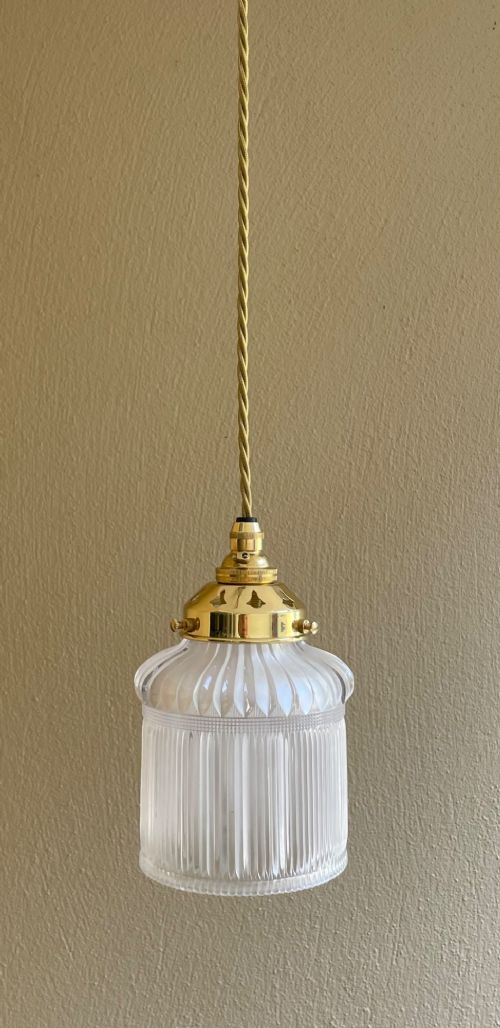
Production techniques involved shaping metal through spinning or casting, alongside specialised glass pressing to create prismatic patterns, crackle finishes, and fish scale textures on the shades.
Retro Pendant Lighting Retail Price Guide 2026
Typical asking prices for retro pendant lighting among the pieces listed under this phrase on Sellingantiques today, from the lower quarter to the upper quarter. They describe what is for sale here now, not the wider market.
Listings feature brass, glass, chrome, and copper materials spanning the Edwardian period through to the 1960s.
What varies in quality
Quality rests in the weight of the metal components, the finish of the glass, and the integrity of original galleries and fixings. Substantial cast brass or heavy copper frames distinguish better pieces from lighter alternative constructions.
The clarity and thickness of the glass shade, whether opaline, crackled, or prismatic, dictate the quality of the light cast and the overall durability of the pendant.
VESTARAY·Jefferson·Jean Gauthier
The Retro Pendant Lighting Glossary
- Opaline glass
- A milky, semi-translucent glass that diffuses light softly while hiding the bulb within. This material appears frequently in conical and spherical pendant shades from the 1920s and 1930s.
- Gallery
- The metal ring or collar that holds a glass lampshade in place and connects it to the suspension rod or chain. Galleries are often cast from brass or finished in chrome.
- Plafonnier
- A ceiling-mounted light fixture where the glass shade sits flush or very close to the ceiling rather than hanging on a long drop. These fixtures work well in rooms with lower ceiling heights.
- Prismatic glass
- Glass moulded with patterned ribs or prisms designed to refract light evenly and reduce glare. Holophane lighting utilises this technique.
- Chandelier
- A branched hanging light fixture designed to hold multiple bulbs. Period examples incorporate arms made of brass, gilded metal, or glass.
Retro Pendant Lighting: Frequently Asked Questions
How do I hang a pendant light?
Pendant lights suspend from ceilings using chains, rods, or cords attached to a ceiling rose. The drop height depends on your ceiling clearance and whether the fixture hangs over a table or a walkway.
Ensure the mounting box in your ceiling can support the weight of heavier brass or glass fixtures before installation.
What rooms suit pendant lights?
These hanging fixtures suit kitchens, hallways, dining spaces, and living rooms where focused overhead illumination is required. Industrial and opaline shades provide direct downward task lighting for work surfaces.
Smaller glass globes and brass chandeliers work effectively as central room lights in bedrooms and reception areas.
How do I identify a 1930s light?
Fixtures from the 1930s often display Art Deco geometric forms, stepped brass galleries, or moulded opaline and crackle glass shades. Look for characteristic materials like chrome, copper, and frosted glass combined with streamlined silhouettes.
Maker marks or stamps on the metal galleries can also help confirm the production era.