



Retro Pendant Fixture
A retro pendant fixture brings distinct period character overhead, spanning Art Deco geometric forms and Edwardian glass.
Retro Pendant Fixture
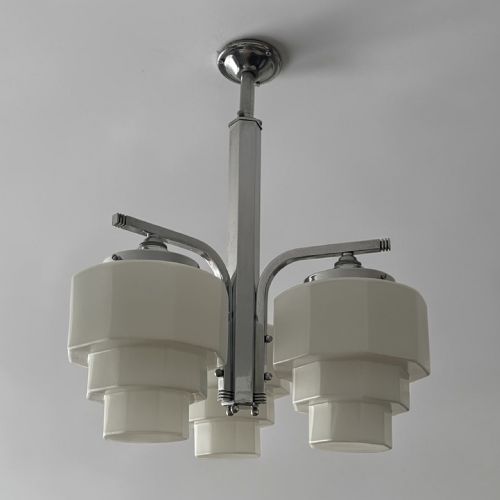
A retro pendant fixture represents overhead lighting drawn primarily from the 1920s and 1930s, alongside Edwardian and 19th-century examples. The selection on this page centres heavily on Art Deco ceiling lights, chandeliers, and single pendant fixtures.
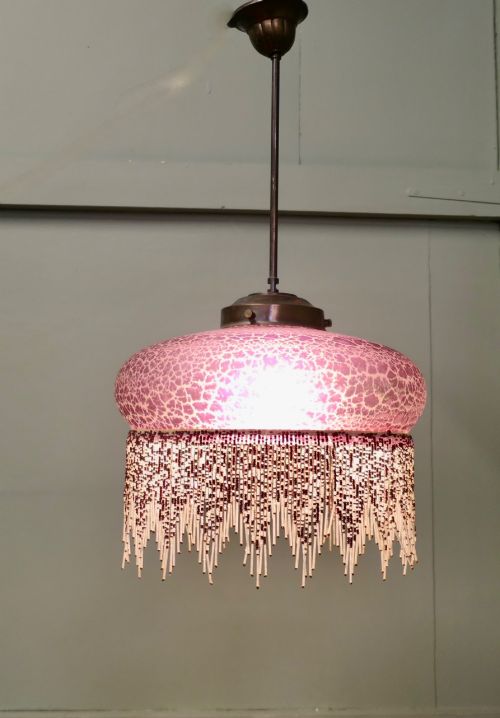
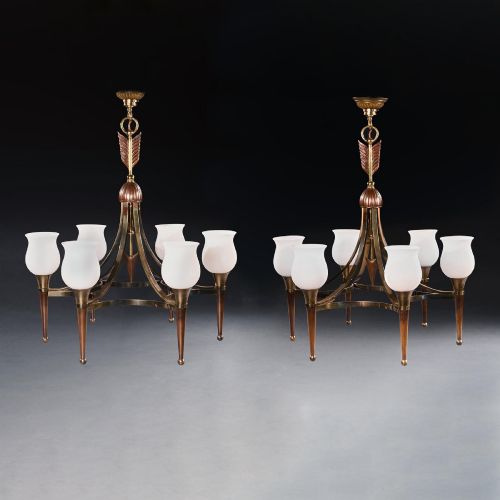
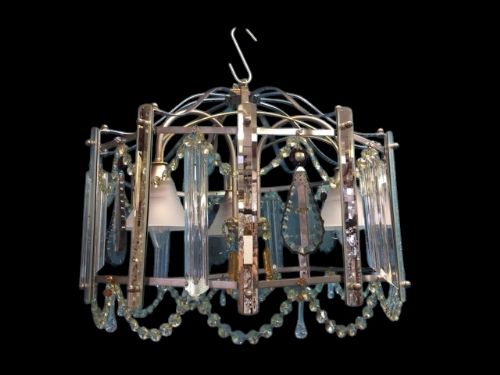
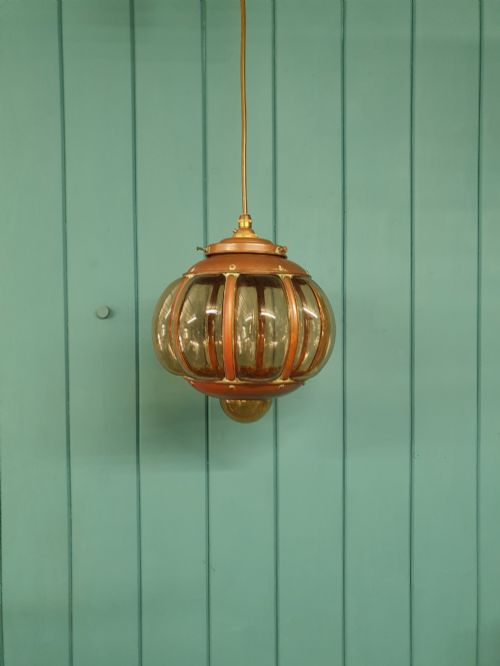
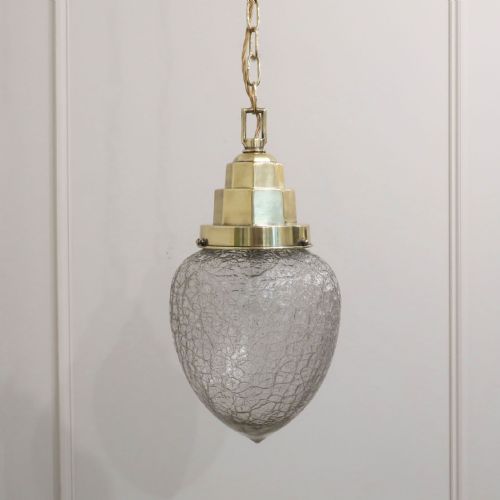
Forms vary from glass globes and pear-shaped opaline shades to multi-light brass and chrome chandeliers. Buyers frequently encounter French glass designs, nautical copper fixtures, and Italian chandeliers spanning the early twentieth century.
The objects function as both direct illumination and central decorative focal points within a room. Their construction ranges from simple enamel fittings to elaborate prism-cut glass drops.
How they were made
Makers utilised durable metals such as brass, chrome, copper, and gilt metal to form the structural galleries, frames, and chains. These metallic elements support the weight of the glass components and anchor the fixture to the ceiling.
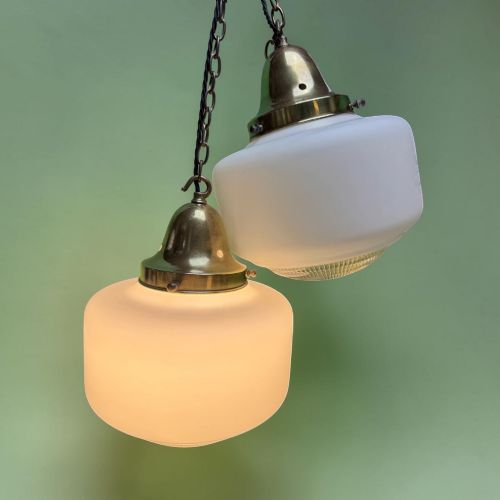
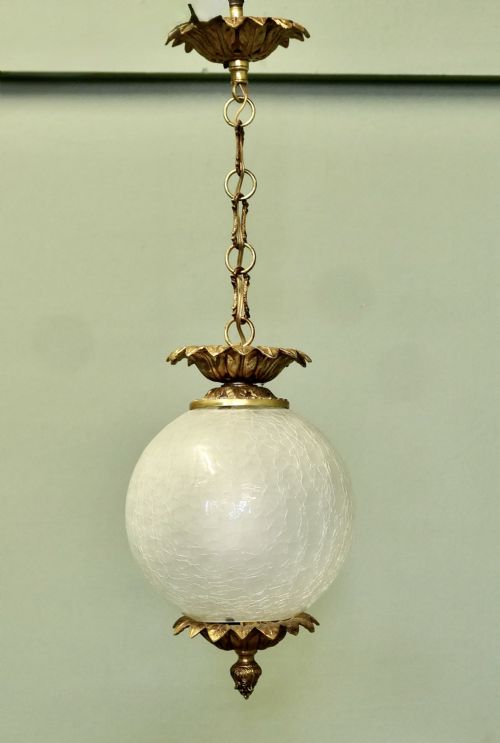
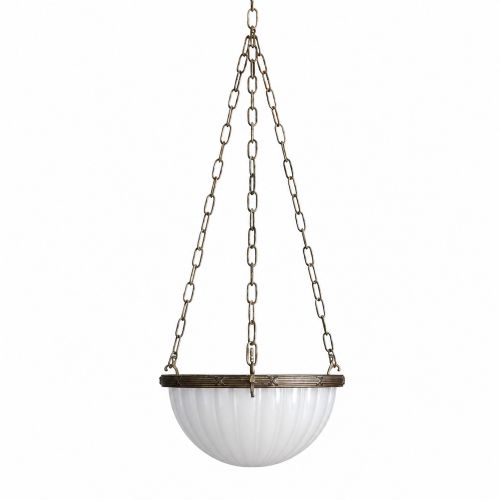
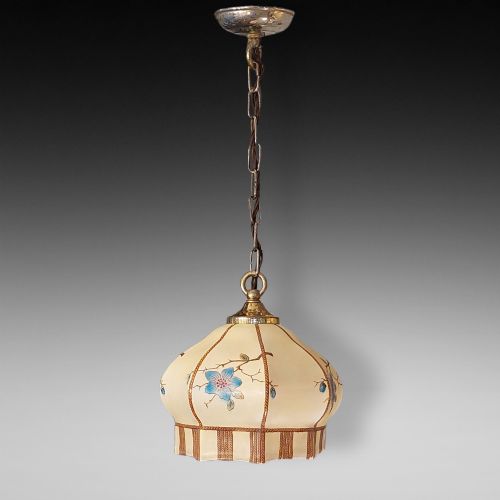
Glass production took several forms, including opaline glass, frosted finishes, crackle glass, and hand-painted shades. Moulded glass globes and ribbed or frilly shades defined the aesthetic output of the period.
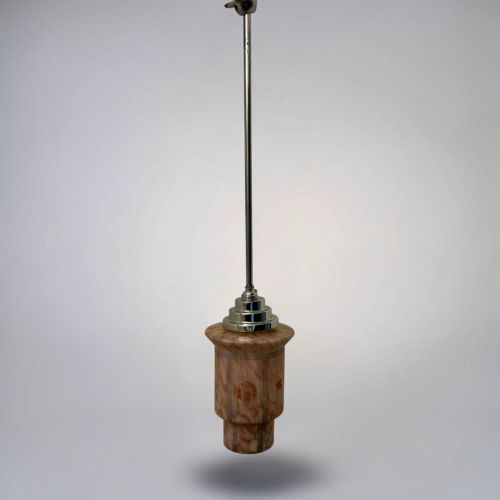
Specialised techniques included prism cutting for chandeliers and applied enamel on industrial fittings. Metalwork components were cast, spun, or plated to achieve the specific finishes seen across the inventory.
Retro Pendant Fixture Retail Price Guide 2026
Typical asking prices for retro pendant fixture among the pieces listed under this phrase on Sellingantiques today, from the lower quarter to the upper quarter. They describe what is for sale here now, not the wider market.
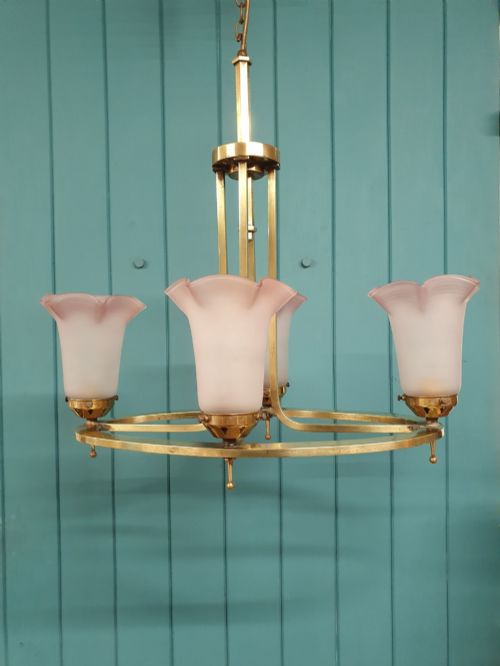
Glass shades appear in opaline, frosted, crackle, and hand-painted finishes across multiple ceiling light formats.
What varies in quality
Quality rests in the substance of the metalwork and the clarity or weight of the glass shades. Substantial brass galleries and thick, evenly blown opaline or crackle glass separate the finest examples from lighter utility pieces.
Detailing determines distinction, visible in hand-painted motifs on glass, intricate metal casting, and the precision of prism cuts. Maker attribution, such as signed French glass, elevates an object above standard commercial production.
The integrity of the original components, from the gallery fixings to the suspension chains, preserves the historical value of the lighting. Even wear across the metal and glass confirms authenticity over later replacement parts.
Jean Gauthier
The Retro Pendant Fixture Glossary
- Opaline glass
- A milky, semi-translucent glass that diffuses light evenly across its surface. This material was widely utilised for pendant shades during the early twentieth century.
- Gallery
- The metal collar or ring that grips the upper rim of a glass lampshade and connects it to the suspension rod or chain. Galleries are commonly cast in brass, copper, or chrome.
- Chandelier
- A branched ceiling light designed to hold multiple bulbs or candles simultaneously. These fixtures often incorporate glass drops, beads, or prisms to refract illumination.
- Art Deco
- A design style emerging in the 1920s and 1930s characterised by geometric symmetry, stylised motifs, and sleek metallic finishes. It remains the dominant aesthetic found in retro pendant lighting.
- Prism
- A cut glass pendant or panel designed to refract light into spectral colours. Prisms hang from chandelier frames to enhance sparkle and illumination.
Retro Pendant Fixture: Frequently Asked Questions
How do I date a pendant fixture?
Dating relies on identifying stylistic markers, materials, and construction techniques specific to the early twentieth century. Art Deco geometry typically points to the 1920s and 1930s, while heavier brass and floral motifs often suggest Edwardian or 19th-century origins.
Examining the metal type, such as chrome versus copper, and the method of glass manufacture helps narrow down the production era. Makers' marks or signatures on the glass provide definitive chronological reference points.
Can I hang these in low ceilings?
Pendant lights and chandeliers vary significantly in drop length, making some suitable for compact spaces while others require high clearance. Flush ceiling lights and small globe fixtures work effectively where hanging space is restricted.
Checking the overall diameter and suspension length ensures the fixture proportions suit the intended room without obstructing movement.
What metals were used in retro fittings?
Makers employed a range of metals depending on the period and desired aesthetic. Brass and copper dominated earlier designs, while chrome gained prominence in later Art Deco pieces.
Gilt metal and enamel also appear across various industrial and decorative ceiling lights, each offering a distinct surface texture and colour tone.