



Retro Office Table
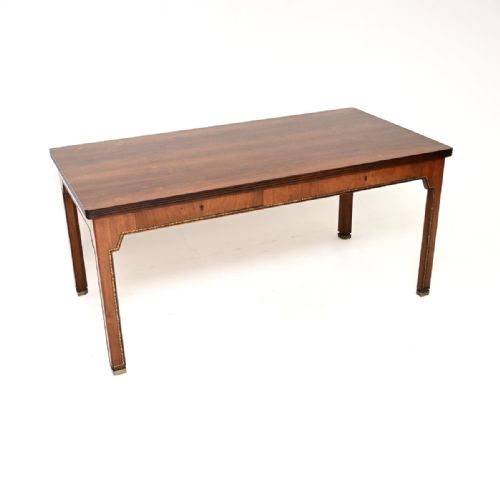
A retro office table brings functional workspace utility and industrial character into a room through enduring mid-century and art deco design.
Retro Office Table
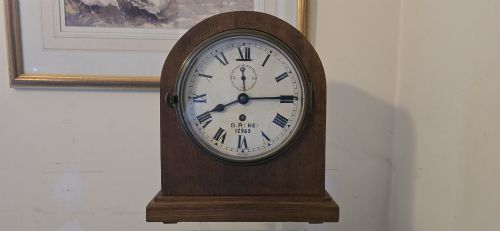
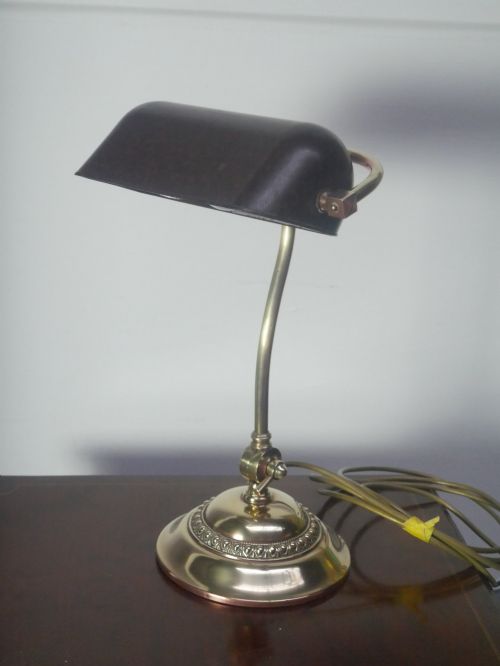
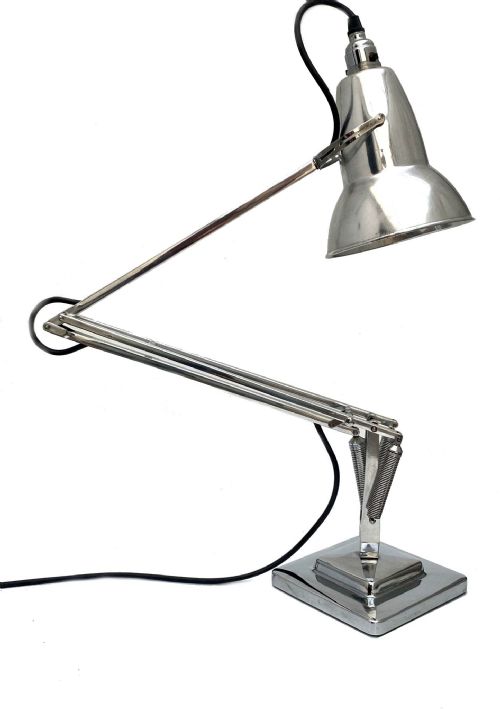
When you search for a retro office table, you encounter practical furniture designed for workspace utility alongside task lighting and timepieces. The selection on this page leans heavily toward mid-century and art deco desks, accompanied by adjustable lamps and office clocks.
Forms span robust oak pedestal desks and sleek rosewood models alongside specialised lighting fixtures. These pieces originate from twentieth-century workshops across Britain, France, and Denmark, fulfilling both commercial and domestic needs.
The objects combine structural integrity with period aesthetics, reflecting the changing demands of administrative work through decades like the nineteen-thirties and nineteen-forties. Each item serves a distinct operational purpose within a study or workspace.
How they were made
Construction relies upon solid timbers such as oak and rosewood, shaped into robust frames and pedestals for durability. Metal components, including chrome, brass, steel, and copper, provide structural support and mechanical adjustment for lamps.
Details incorporate tactile elements like leather writing surfaces, bakelite switches, and glass shades. These materials are combined using period manufacturing techniques that prioritise mechanical function and industrial longevity.
Retro Office Table Retail Price Guide 2026
Typical asking prices for retro office table among the pieces listed under this phrase on Sellingantiques today, from the lower quarter to the upper quarter. They describe what is for sale here now, not the wider market.
Materials represented in the current selection encompass oak, rosewood, chrome, brass, glass, bakelite, leather, steel, and copper.
What varies in quality
Quality differences emerge in the execution of mechanical joints and the preservation of original materials. Pieces retaining authentic components, such as manufacturer labels or period shades, demonstrate superior integrity.
The refinement of metal plating, the smoothness of adjustable arms, and the joinery of timber pedestals distinguish standard utility items from masterwork productions. Superior examples display careful detailing in every structural and decorative component.
Herbert Terry·Eileen Grey·Pirouette·Imhof·Hawkins
The Retro Office Table Glossary
- Art Deco
- A design style characterised by sleek geometric forms and streamline aesthetics. It emerged prominently during the nineteen-twenties and nineteen-thirties.
- Bakelite
- An early thermosetting plastic used widely for electrical insulation and moulded lamp housings. It offers durability and a distinctive dark lustre.
- Pedestal desk
- A flat-topped writing table supported by two banks of drawers or columns. This form provides substantial storage beneath the work surface.
- Toleware
- Painted or enamelled metalware often used for lamp shades and desk accessories. The technique creates a durable coloured finish.
- Machine Age
- An early twentieth-century design movement celebrating industrial efficiency and mechanical innovation. It heavily influenced chrome and steel lighting fixtures.
Retro Office Table: Frequently Asked Questions
What defines a retro office table?
A retro office table is characterised by twentieth-century design idioms, offering functional workspace surfaces constructed from period materials like oak, rosewood, and steel.
These pieces reflect the utilitarian and aesthetic priorities of eras such as the art deco period and mid-century modern design.
How do I care for wooden office desks?
Wooden surfaces require minimal intervention, benefiting from occasional gentle cleaning and conditioning to preserve the grain and finish.
Avoid placing timber furniture in direct sunlight or near heat sources to prevent the wood from drying out.
How do I identify art deco lighting?
Art deco desk lamps feature geometric lines, chrome plating, and streamlined forms that reflect machine-age aesthetics.
Materials like bakelite and coloured glass frequently complement the polished metal components.
Were these tables used in commercial offices?
Many of these pieces served administrative roles in corporate headquarters, railway offices, and professional practices.
Their robust construction was engineered to withstand daily clerical labour and institutional use.