







Retro Modernist Jewellery
These pieces of retro modernist jewellery combine geometric abstraction with mid-century materials, offering striking wearable design for collectors of twentieth-century work.
Retro Modernist Jewellery
When you search for retro modernist jewellery, you encounter rings, necklaces, pendants, earrings, brooches, bracelets, and cufflinks spanning several decades. The selection draws primarily from the 1930s Art Deco era through the 1950s and 1960s, reflecting changing tastes in industrial and sculptural design.
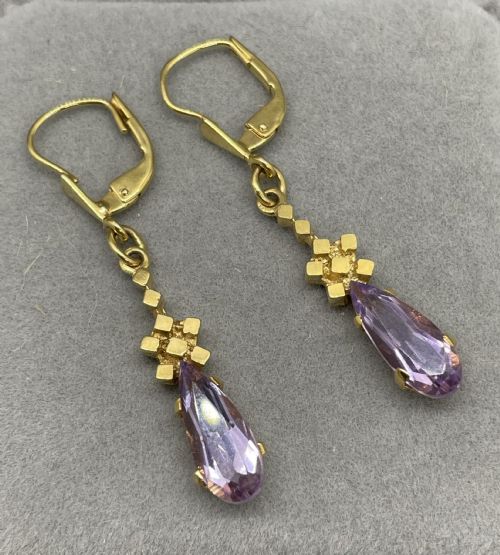
You will frequently find silver, gold, and chrome items paired with distinct stones like amethyst, turquoise, rose quartz, and opal, alongside enamel and Bakelite elements. These works originate from various international hubs, including British, German, Mexican, and Swedish workshops.
How they were made
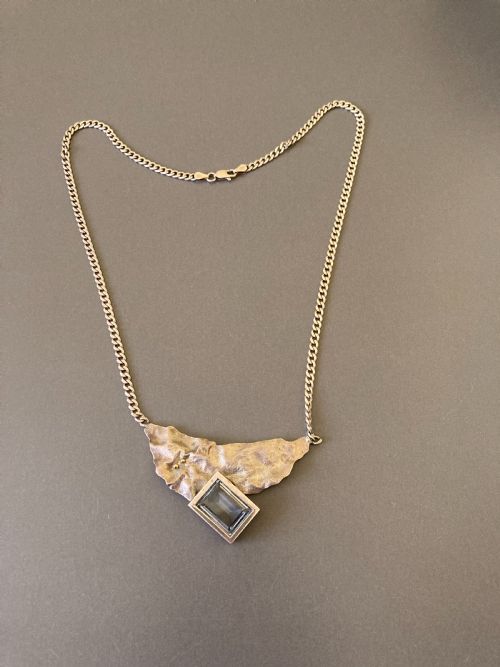
Makers shaped sterling silver, 18ct gold, 14ct yellow gold, and chrome into linear and asymmetric forms using traditional metalsmithing techniques. These structural foundations often incorporate bezel-set gemstones such as diamonds, rubies, and blue topaz.
Surface decoration relies heavily on vibrant enamel work and moulded Bakelite components, particularly in pieces originating from the 1930s. Construction methods balance architectural rigidity with fluid modernist lines, visible in lattice rings and hinged bangles.
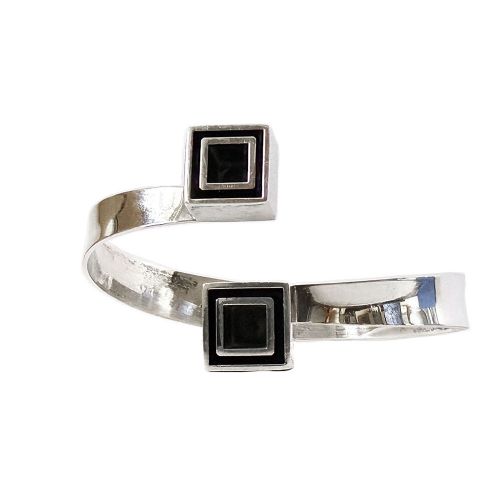
Even your cuffs can be modernist matches made in heaven.
What varies in quality
The distinction between standard production and exceptional work rests on the precision of the metal fabrication and the execution of the design. Pieces featuring identifiable workshop attributions or complex structural formations display superior craftsmanship.
Material selection also defines the tier of the piece, with heavier gold weights, clean gemstone clarity, and intact enamel or Bakelite surfaces commanding greater interest. Original boxes and documented provenance further elevate the standing of specific rings, earrings, and necklaces.
Alton·Beto·Andrew Grima·Jakob Bengel
The Retro Modernist Jewellery Glossary
- Bakelite
- An early synthetic plastic utilised for moulded geometric components in 1930s pieces. It offers a distinct tactile quality and vibrant colour retention.
- Bezel setting
- A metal collar that wraps around the perimeter of a gemstone to hold it securely in place. This technique provides a clean, flush profile characteristic of modernist design.
- Terminal
- The finishing decorative end of an open piece such as a bangle or collar. These often feature square or sculptural shapes.
- Lattice
- An openwork geometric framework intersecting to create structured patterns. This method appears frequently in rings and brooches from the mid-century period.
Retro Modernist Jewellery: Frequently Asked Questions
What periods do these pieces span?
The inventory covers items created across several decades of the twentieth century. This includes the geometric designs of the 1930s and the later modernist expressions of the 1950s and 1960s.
Each era contributes distinct material choices and structural forms to the overall selection.
How do I style these items?
These pieces function well as statement accents due to their sculptural and architectural forms. Pairing a bold pendant or cuff with simple attire allows the geometric lines to stand out.
Mixing silver and gold tones depends on personal preference, though matching metal finishes creates a cohesive appearance.
What materials are common?
Metals such as sterling silver, 18ct gold, 14ct yellow gold, and chrome form the structural foundation of the jewellery. Gemstones like amethyst, turquoise, and opal provide colour alongside enamel and Bakelite.
These varied substances reflect the experimental design ethos of the mid-century workshops.
How do I identify a 1930s piece?
Items from the 1930s frequently incorporate Art Deco influences, chrome plating, and moulded Bakelite elements. The geometry tends to be sharp and linear, reflecting the machine age aesthetic.
In contrast, later 1950s and 1960s items often lean towards organic motifs and textured gold surfaces.