




Retro Metal Lighting
These pieces of retro metal lighting bring functional utility and distinct period character into modern interiors through robust materials and enduring designs.
Retro Metal Lighting
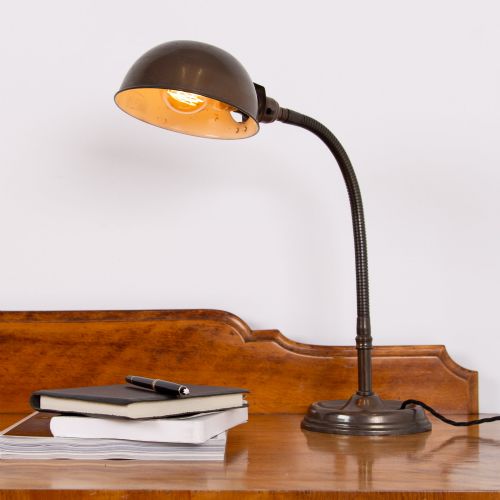
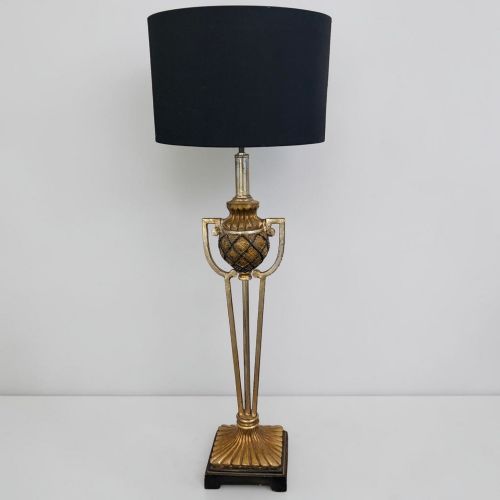
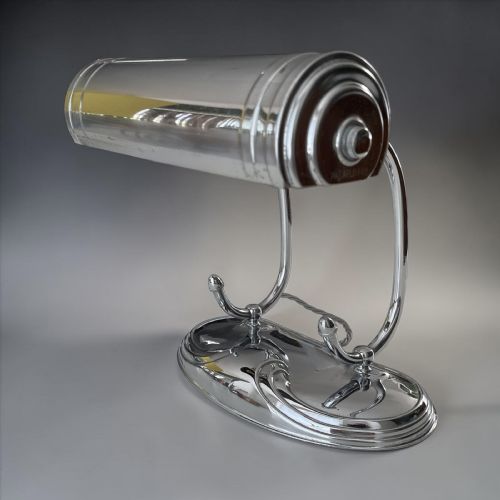
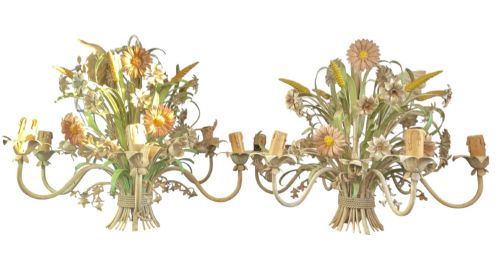
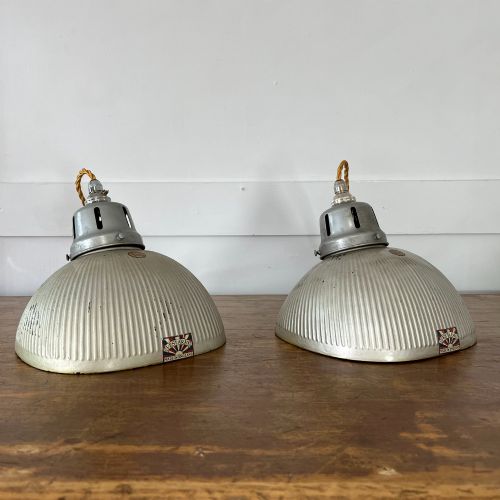
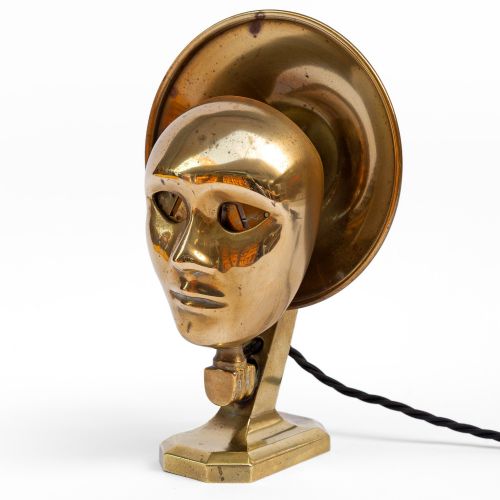
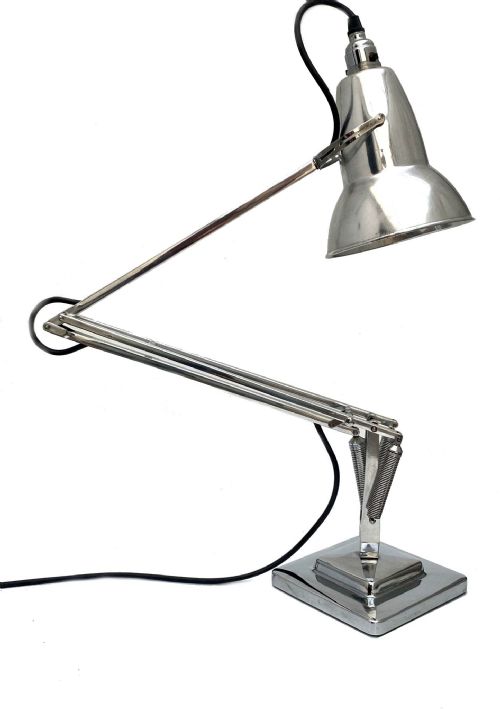
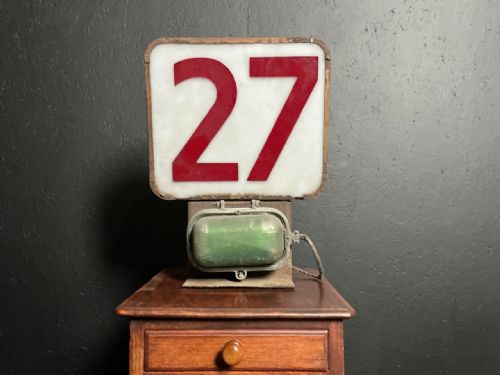
Retro metal lighting encompasses task lamps, overhead chandeliers, and wall fixtures produced across the first half of the twentieth century. These items range from utilitarian factory fittings to polished chrome Art Deco desk lamps and decorative Italian chandeliers.
The selections on this page draw heavily from the nineteen-twenties, thirties, and forties, reflecting industrial expansion and the rise of modernist design. Buyers will frequently encounter adjustable desk lamps, enamel shades, and brass or chrome light fittings originating from British, French, and Italian workshops.
How they were made
Construction relies heavily on durable metals such as brass, steel, cast iron, aluminium, and chrome, frequently paired with glass elements. Workshops utilised spinning, casting, and pressing techniques to shape these materials into functional shades, articulated arms, and heavy bases.
Industrial items often featured vitreous enamel coatings to withstand harsh working environments, whilst domestic decorative pieces utilised polished brass, gilded finishes, and painted tollware. Articulation was achieved through mechanical joints, pulleys, and counterweights designed for practical daily use.
Retro Metal Lighting Retail Price Guide 2026
Typical asking prices for retro metal lighting among the pieces listed under this phrase on Sellingantiques today, from the lower quarter to the upper quarter. They describe what is for sale here now, not the wider market.
Listings feature items spanning from 1900 to 1960, incorporating materials such as chrome, brass, aluminium, and cast iron.
What varies in quality
Quality in these fixtures is defined by the integrity of the original engineering, the weight of the metal used, and the survival of distinct maker signatures. Superior examples retain their original surface finishes, whether patinated industrial enamel or polished chrome.
The sophistication of the mechanical joints and the retention of original wiring components or glassware separate standard utilitarian pieces from high-end designer commissions of the period. Attention to detail in casting and assembly marks the distinction between mass-produced items and master craftsmanship.
Herbert Terry·Pirouette·Rene Mathieu·Strand·Hawkins
The Retro Metal Lighting Glossary
- Anglepoise
- A type of balanced spring-arm task lamp invented in the twentieth century. It allows the light source to hold position through a system of tension springs.
- Enamel
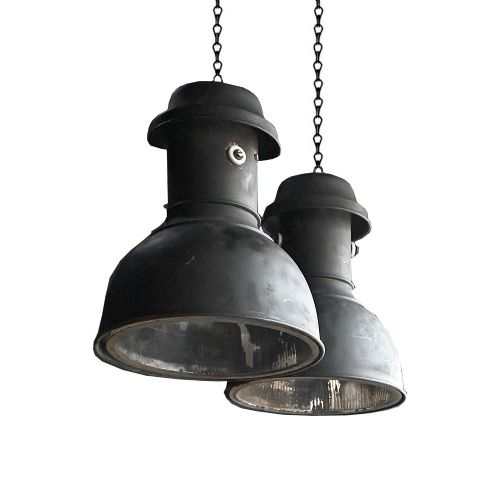
- A fused glass coating applied to metal substrates to provide a glossy, hard-wearing surface. This finish is commonly found on industrial pendant lights.
- Uplighter
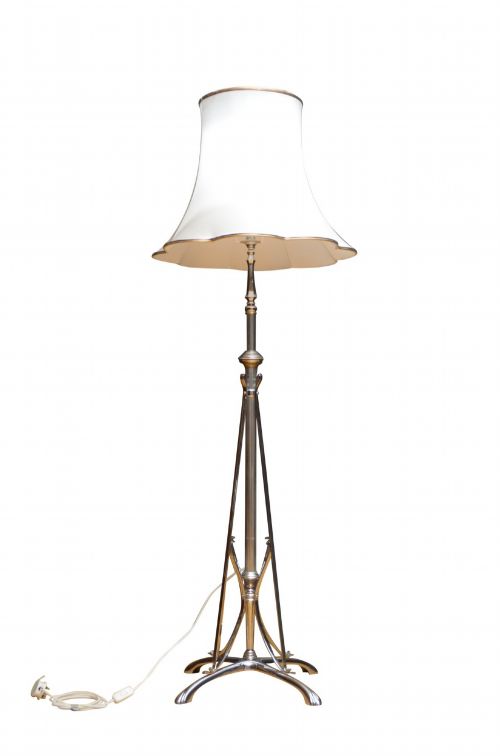
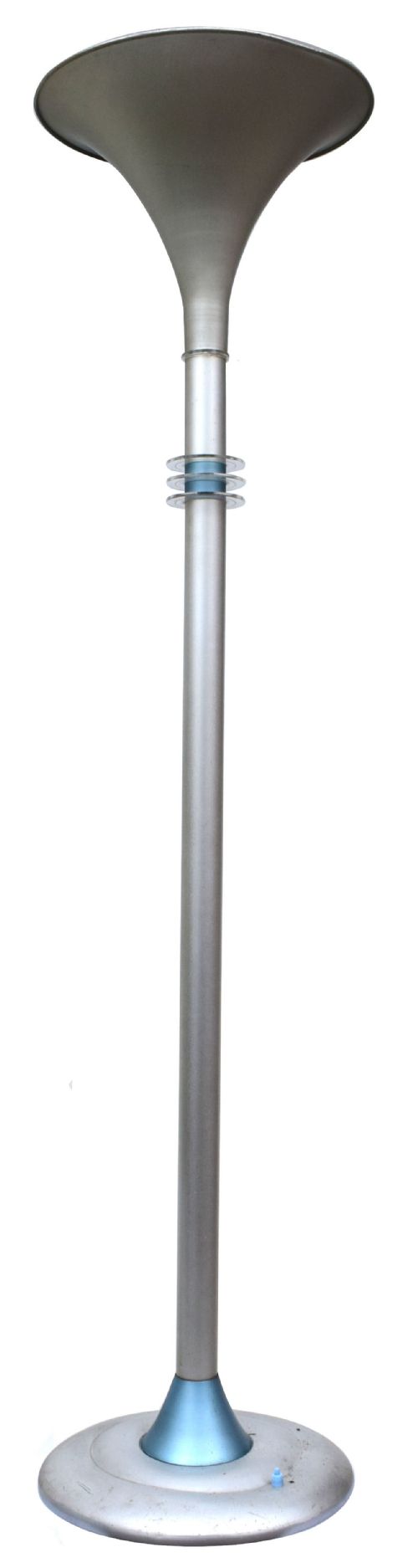
- A floor or wall lamp designed to cast illumination upwards towards the ceiling. These fixtures became prominent during the Art Deco period.
- Prism
- Cut or moulded glass drops utilised in chandeliers to refract and scatter light. They are frequently incorporated into early twentieth-century hanging fixtures.
Retro Metal Lighting: Frequently Asked Questions
How do I choose the right desk lamp?
Consider the reach and articulation you need for your workspace. Look for heavy bases and robust joints that hold position securely.
Verify whether the piece requires an adjustable arm or a fixed directional shade to suit your daily tasks.
How do I clean antique chrome and brass?
Dust surfaces regularly with a soft, dry cloth to prevent the buildup of grime. Avoid abrasive cleaners that can strip original platings or vintage patinas.
Use specialist metal polishes sparingly only on unlacquered brass, whilst chrome simply requires gentle wiping.
What defines an industrial style light?
Industrial lights are characterised by robust materials like cast iron, steel, and heavy enamel shades built for factories and workshops. Their aesthetic prioritises utilitarian function over ornamentation.
Look for sturdy fixings, exposed hardware, and practical hanging loops that reflect their original working environments.