

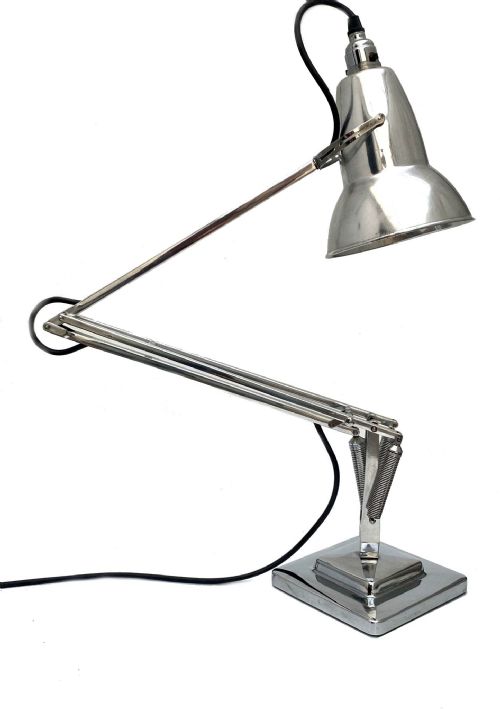
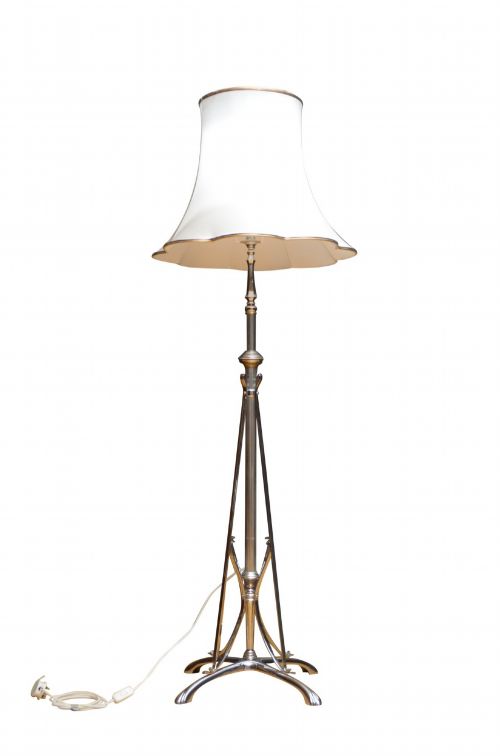


Retro Metal Lamp
A retro metal lamp brings industrial honesty and polished period style to any room, offering robust task lighting built from durable materials.
Retro Metal Lamp
A retro metal lamp encompasses a diverse group of light fittings, desks lamps, and floor standards spanning the early twentieth century through to the 1960s. When you search for a retro metal lamp, you encounter items ranging from utilitarian factory lighting to polished Art Deco chrome designs.
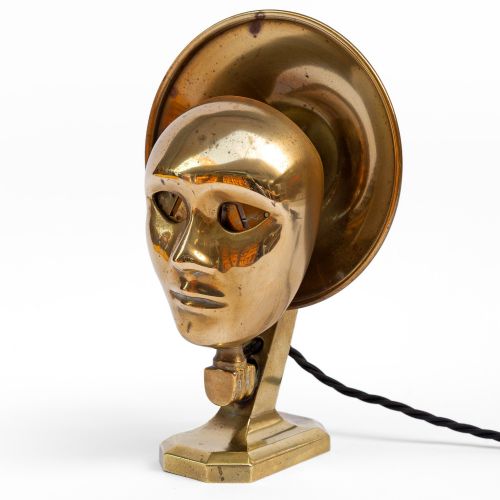
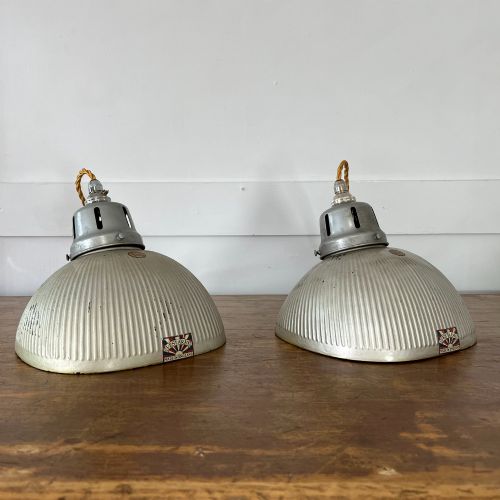
The selections on this page draw heavily from the 1920s and 1930s, featuring adjustable desk lights, brass table lamps, and enamel pendants. These pieces reflect the functional demands and stylistic shifts of their respective decades, from Edwardian copper to mid-century industrial spotlights.
How they were made
Construction relies primarily on robust metals such as brass, chrome, steel, cast iron, and aluminium, often paired with glass shades or fabric flex wiring. Artisans and factories utilised metal spinning, casting, and plating techniques to achieve durable finishes that endure decades of use.
Makers incorporated adjustable joints, heavy bases, and articulated arms into desk and floor lamps to direct illumination effectively. Enamel finishes on industrial shades provided hardwearing surfaces suited to workshops, while polished brass and chrome suited domestic interiors.
Retro Metal Lamp Retail Price Guide 2026
Typical asking prices for retro metal lamp among the pieces listed under this phrase on Sellingantiques today, from the lower quarter to the upper quarter. They describe what is for sale here now, not the wider market.
Listings span periods from 1900 to 1960, incorporating materials such as brass, chrome, steel, cast iron, and glass.
What varies in quality
Quality rests upon the integrity of the original mechanical joints, the thickness of the metal gauge, and the purity of the finish, whether plated chrome or cast brass. Superior examples retain their original manufacturers' components and structural balance without modification.
Artisanal detail distinguishes standard utility pieces from high-style designs, such as those incorporating macassar wood accents or sculptural shades. The precision of the engineering in adjustable arms and the weight distribution of the base dictate the functional success of each lamp.
Herbert Terry·Pirouette·RENE MATHIEU·STRAND·Hawkins
The Retro Metal Lamp Glossary
- Anglepoise
- A type of balanced arm lamp using springs to maintain position. This mechanical innovation allows the shade to remain directed precisely where the user requires light.
- Uplighter
- A floor or wall lamp designed to cast illumination upward toward the ceiling. These fixtures create indirect ambient light within a space.
- Pendant light
- A hanging light fixture suspended from the ceiling by a cord, chain, or metal rod. These units provide focused illumination over tables or workspaces.
Retro Metal Lamp: Frequently Asked Questions
How do I date a metal desk lamp?
Dating relies on identifying manufacturing marks, switch types, wiring methods, and prevailing design styles associated with specific decades. Examining the construction of joints and fixings often reveals the period of manufacture.
Industrial models from the early twentieth century differ significantly in weight and finish from later mid-century creations.
Are these lamps safe for modern electrical systems?
Many vintage lamps utilise original metal bodies and shades but require rewiring to meet current safety standards. Professional electricians can easily update fabric flex and internal components.
Retaining the vintage exterior preserves the aesthetic while ensuring safe daily operation in the home.
Where should I place an industrial floor lamp?
Floor standards and adjustable uplighters work effectively beside reading chairs, in dark corners, or positioned over a side table. Their height and adjustable reach provide functional task lighting.
Industrial finishes contrast well against neutral walls and softened living spaces.
What is the difference between brass and chrome?
Brass offers a warm, golden metallic tone frequently utilised in Edwardian and early Art Deco pieces, developing a natural patina over time. Chrome provides a bright, reflective silver finish popular in modernist and industrial design.
Both metals require different cleaning approaches to maintain their respective surface sheens.