


Retro Lamp Table
A retro lamp table brings period character and practical illumination together in one functional piece of furniture.
Retro Lamp Table
When you search for a retro lamp table, you encounter a mix of dedicated occasional furniture and lighting pieces originating predominantly from the 1920s and 1930s. These items bridge the gap between surface space and task lighting, serving living spaces with distinct period utility.
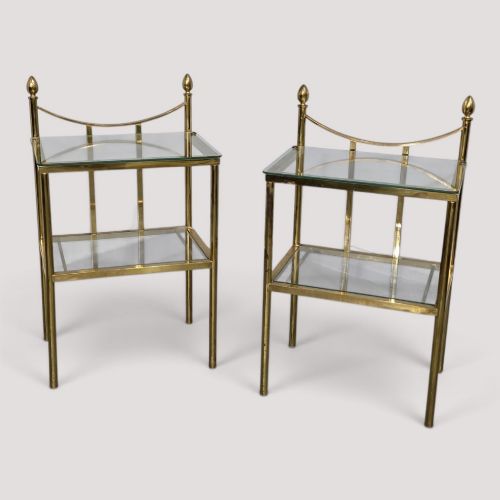
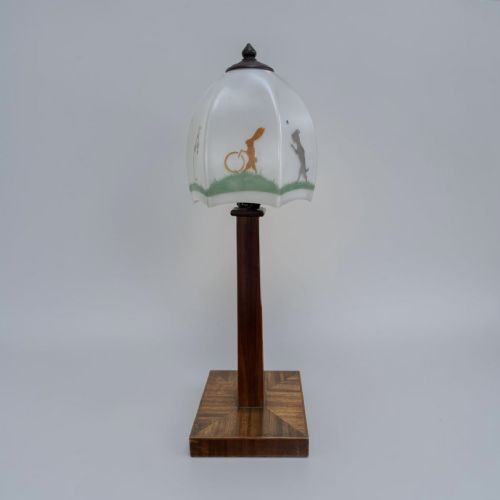
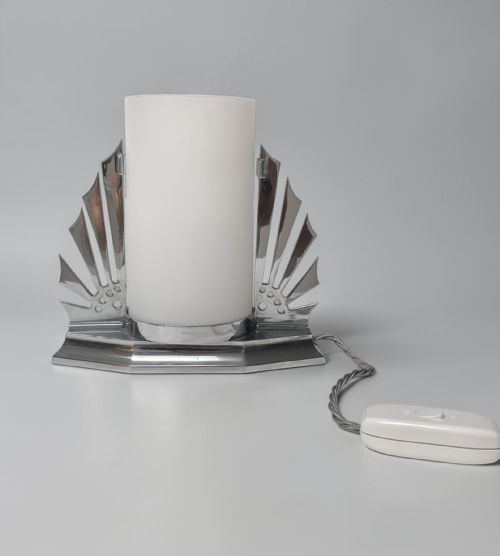
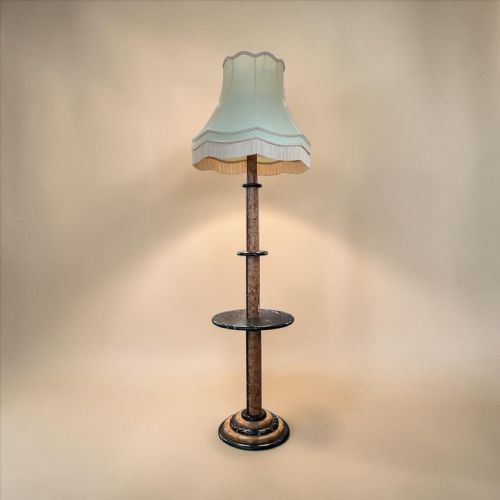
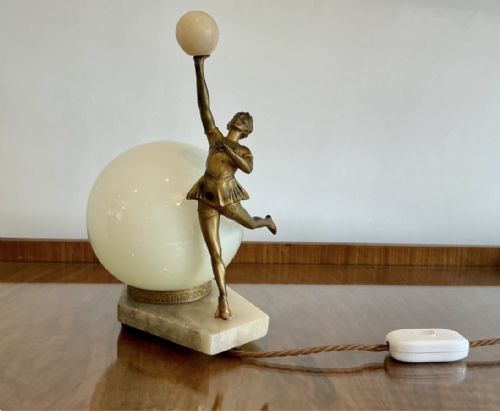
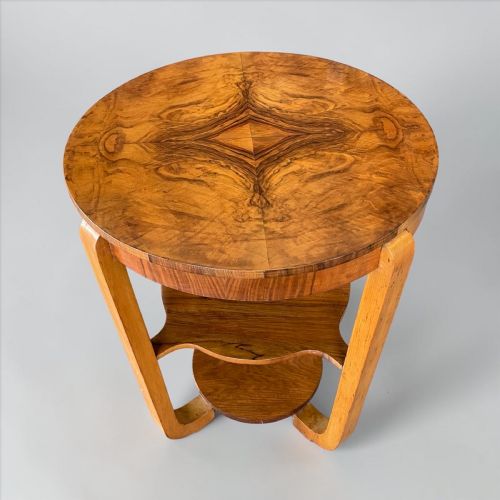
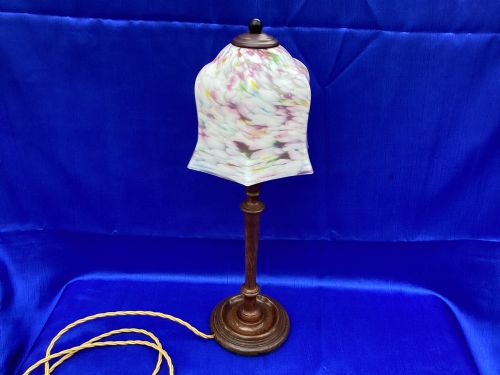
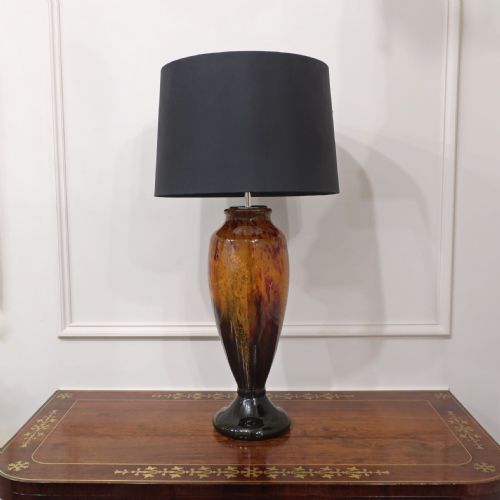
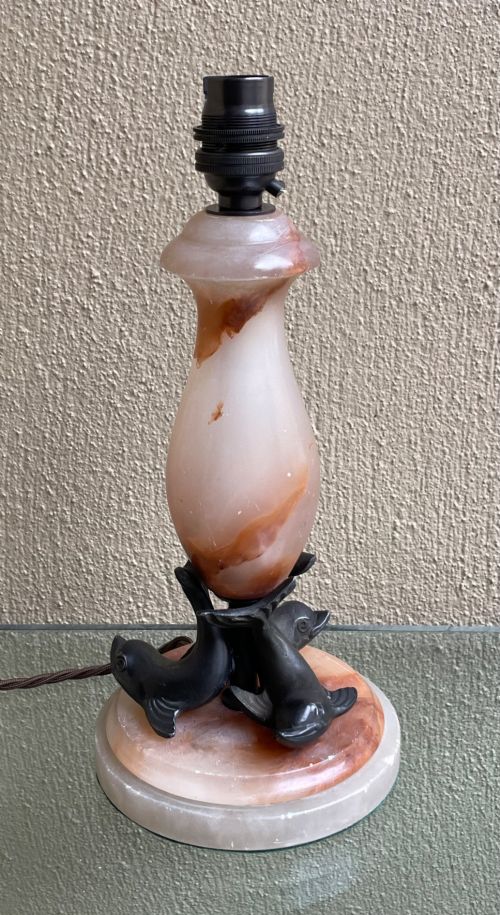
The objects span Art Deco side tables, multi-tiered occasional tables in walnut and maple, and various desk or standard lamps incorporating built-in surfaces or pedestals. Many pieces combine structural wood or metal supports with decorative glass or marble elements.
Originating largely from the early twentieth century, alongside select Victorian and Edwardian examples, these items reflect the shift towards streamlined modernism, industrial flexibility, and decorative domestic design. Buyers select them to anchor a room with authentic period presence and dual-purpose function.
How they were made
Construction relies heavily on metals such as brass and chrome paired with structural timbers like walnut, maple, and oak. These materials provide the rigid framework necessary for both supporting small tabletops and housing articulated or fixed lighting fixtures.
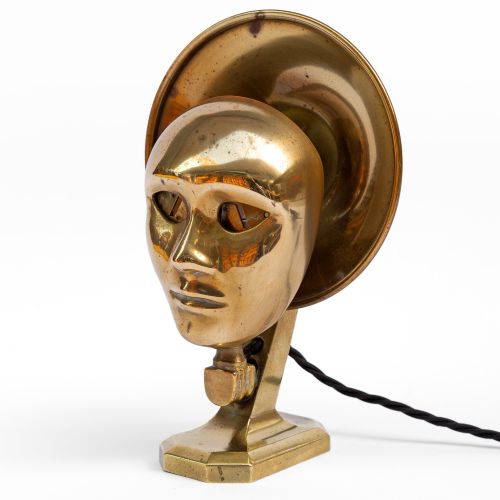
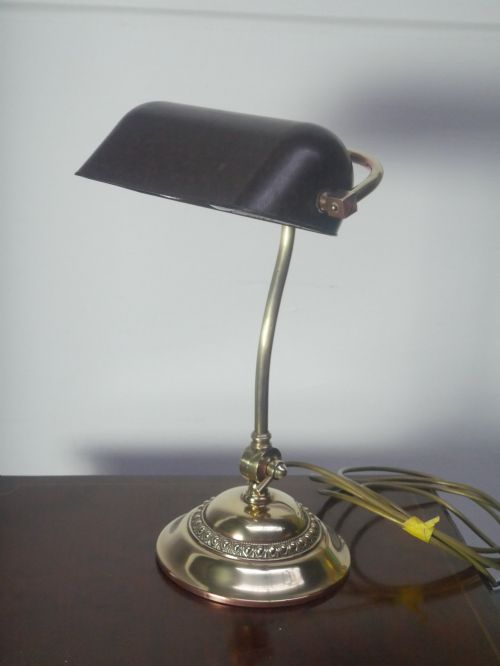
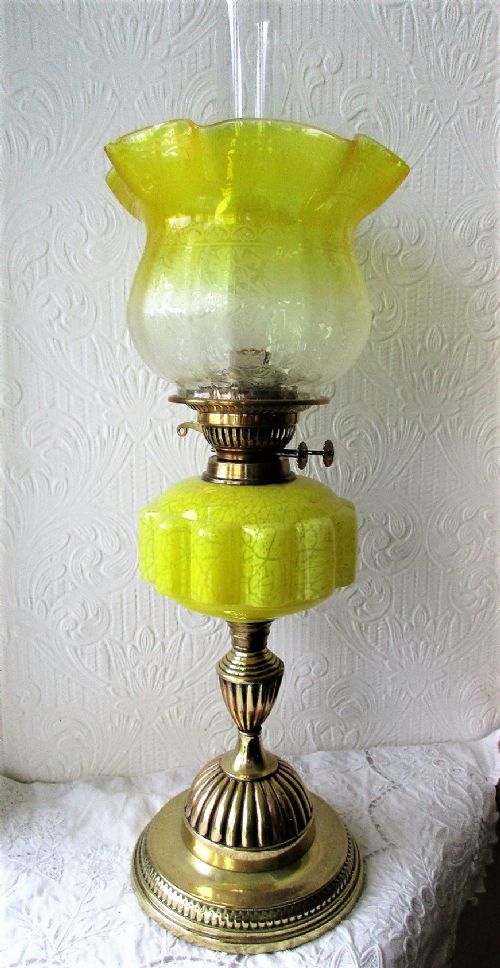
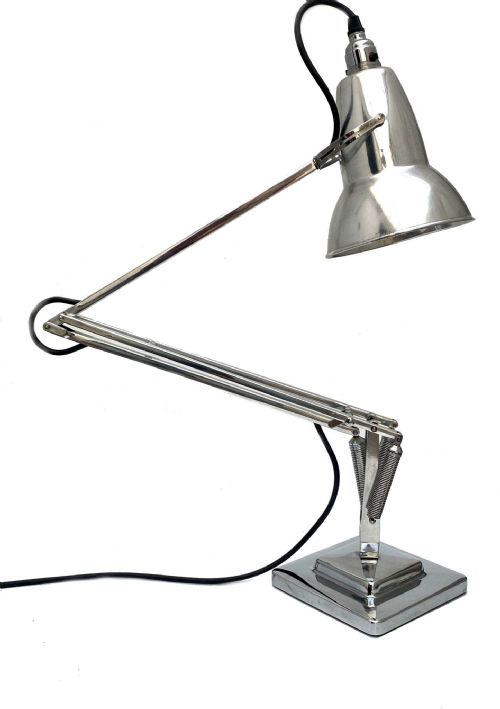
Makers employed casting, turning, and early articulated engineering, such as flexible or adjustable desk lamp mechanisms. Surface ornamentation ranges from hand-painted details on oil lamps to figurative metalwork and celluloid components.
Listings feature periods spanning from the 19th Century and Victorian eras through the 1920s, 1930s, and 1940s.
What varies in quality
Quality rests upon the integrity of the materials and the sophistication of the design, distinguishing standard commercial production from inventive modernist works. Heavier gauges of brass, solid marble bases, and select hardwoods indicate superior manufacturing standards.
The execution of specialty glass, such as mottled or opaline finishes, and the refinement of mechanical adjustments on adjustable lights dictate the upper tier of the range. Complete original components, from shades to switches, elevate an individual piece.
Proportion and stylistic coherence separate exceptional objects from simpler utilitarian counterparts. Pieces that integrate lighting and table surfaces with sculptural forms demonstrate greater design ambition.
Herbert Terry·Charles Schneider·Eileen Grey·Pirouette·Denby Ware
The Retro Lamp Table Glossary
- Art Deco
- A design style characterised by geometric shapes, stylised motifs, and sleek lines, prominent during the 1920s and 1930s. It influences much of the lighting and furniture seen in this category.
- Occasional Table
- A small, secondary piece of furniture designed for specific, intermittent use rather than primary seating or dining. Examples include three-tier walnut tables and side tables paired with lamps.
- Opaline Glass
- A type of semi-translucent glass, often milky white, used widely in decorative lighting during the early twentieth century. It diffuses light softly across a room.
- Campana Urn
- A bell-shaped vessel with a footed base, often utilised as a decorative architectural or sculptural motif on lamp bases.
- Bakelite
- An early synthetic thermosetting plastic utilised for durable desk lamp bodies and electrical components during the interwar period.
Retro Lamp Table: Frequently Asked Questions
What defines a retro lamp table?
A retro lamp table combines a small surface for placement with integrated or adjacent lighting, drawing mostly from 1920s and 1930s design idioms.
These hybrid pieces function as both a side table and a light source, reflecting the compact and multi-use furniture demands of the early twentieth century.
How are these lamps and tables powered?
Many surviving examples operate on standard electrical wiring, frequently requiring modern rewiring to meet contemporary safety standards.
Earlier iterations, such as Victorian oil or paraffin lamps, rely on liquid fuel reservoirs and wicks rather than electrical components.
Where should I place a lamp table?
These items suit living rooms, studies, and bedside areas where surface space and illumination are required simultaneously in a compact footprint.
Their decorative qualities allow them to function as focal points in corners or alongside seating arrangements.
How do I identify Art Deco pieces?
Art Deco lighting and furniture typically feature geometric forms, streamlined silhouettes, and materials like chrome, bakelite, and patterned glass.
Motifs often include stylized figures, lightning flashes, or architectural metalwork characteristic of the interwar period.