




Retro Hanging Light
A retro hanging light brings period character overhead, offering industrial utility and decorative glass from early twentieth-century interiors.
Retro Hanging Light
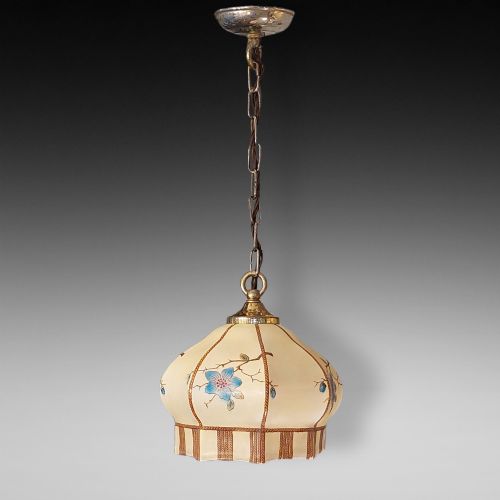
A retro hanging light covers ceiling lights, pendant lights, and chandeliers originating from the nineteen-tens through the nineteen-forties. The most common examples on this page are Art Deco and industrial pendants featuring opaline glass shades or metal galleries.
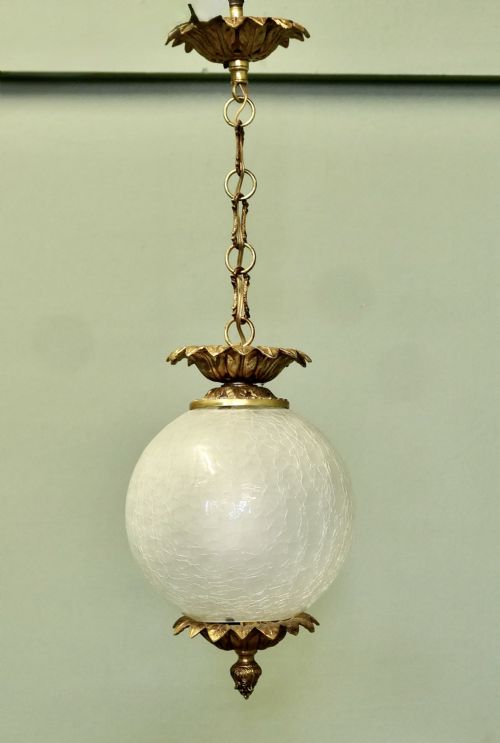
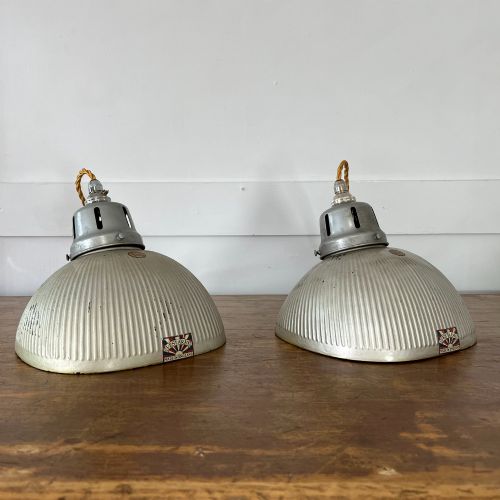
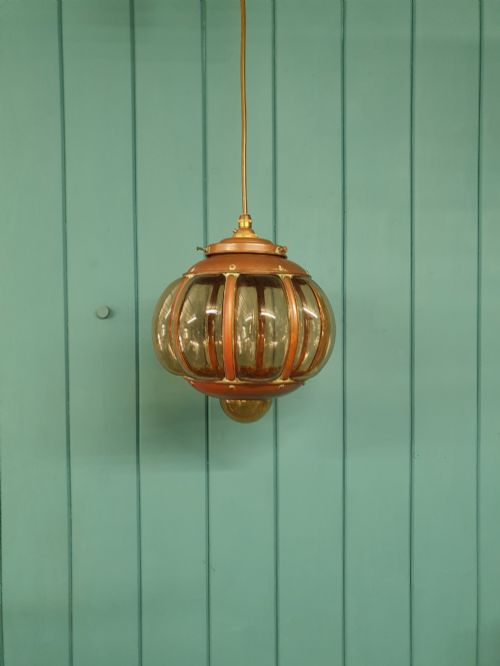
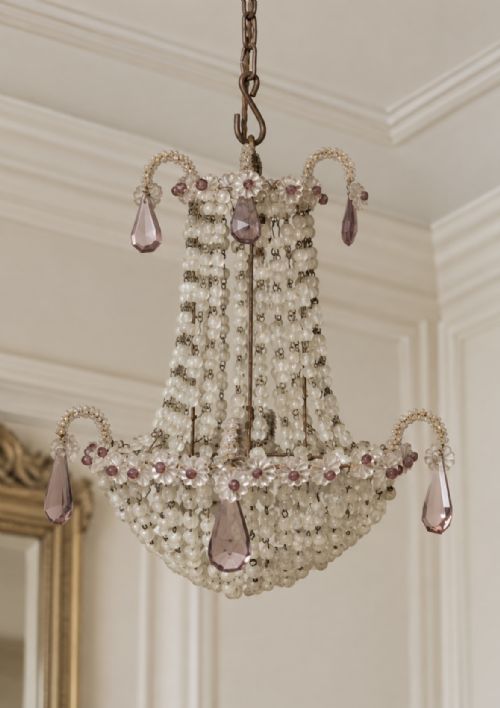
These pieces encompass diverse forms, from French glass globes and English factory lights to Italian chandeliers and nautical copper fixtures. Buyers find fixtures designed for domestic hallways, churches, and trade spaces alike.
Materials and construction methods
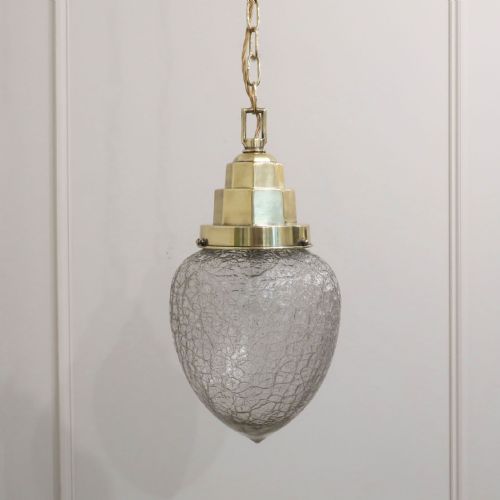
Makers utilised durable metals including brass, copper, chrome, steel, and enamel for galleries, chains, and frames. These structural elements secure glass shades moulded in conical, pear-shaped, reeded, or fish scale configurations.
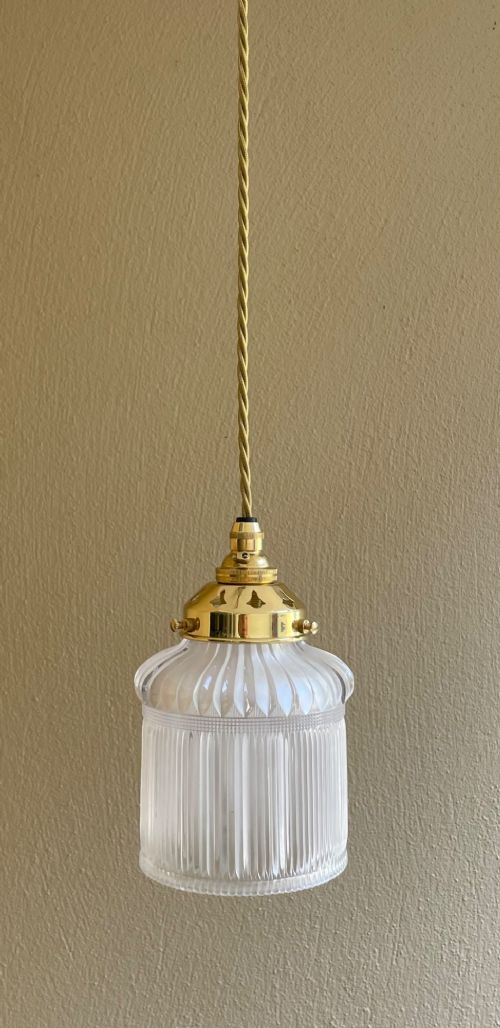
Glass techniques ranged from acid-etched opaline and frosted finishes to hand-painted decoration and heavy moulded prisms. Metal components were spun, cast, or riveted to withstand heavy daily use in factories and public buildings.
Retro Hanging Light Retail Price Guide 2026
Typical asking prices for retro hanging light among the pieces listed under this phrase on Sellingantiques today, from the lower quarter to the upper quarter. They describe what is for sale here now, not the wider market.
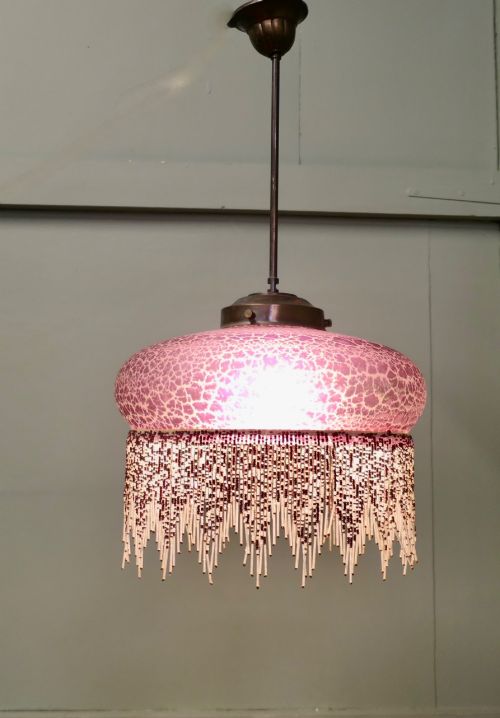
One purple Murano glass caged pendant waits patiently to throw violet shadows across a ceiling.
Distinctions in craftsmanship
Quality rests in the weight of the metal components and the optical properties of the glass shade. Heavy cast brass galleries and thick opaline or prismatic glass distinguish finer productions from simpler utilitarian fittings.
Details such as hand-painted motifs, signed maker elements, and complex geometric framing elevate individual pieces. The integrity of the original surface patination on copper and enamel surfaces also separates standard examples from exceptional ones.
VESTARAY·Holophane·Jean Gauthier
The Retro Hanging Light Glossary
- Opaline glass
- A milky, translucent glass created by adding bone ash or other agents during manufacture. It diffuses light evenly without glaring hotspots.
- Gallery
- The metal collar or ring at the top of a shade that connects the glass to the suspension rod or chain.
- Plafonnier
- A ceiling-mounted bowl light or shallow dish pendant that sits close to the ceiling surface. It is frequently seen in Art Deco interiors.
- Prism
- A cut or moulded piece of glass designed to refract and scatter light. They appear on chandeliers and early twentieth-century ceiling lights.
Retro Hanging Light: Frequently Asked Questions
How do I hang a pendant light?
Suspension involves securing a ceiling hook or bracket capable of supporting the weight of the metal and glass fixture. Wiring is then connected to the ceiling supply within the matching ceiling rose.
Professional installation is recommended for older fixtures to ensure the original galleries and wiring safely support the drop.
What rooms suit these lights?
These fixtures work well suspended over kitchen islands, dining tables, or in hallways where downward illumination is needed. Smaller pendants fit utility spaces, while larger chandeliers suit high-ceilinged living rooms.
Matching pairs provide balanced lighting across longer corridors or large workspaces.
What is an industrial pendant?
Industrial pendants were originally designed for factories, trade signs, and workspaces using robust materials like enamel, steel, and heavy iron. They prioritise functional, direct illumination over delicate ornamentation.
Their utilitarian construction gives them a distinct historical character suited to modern interiors.