

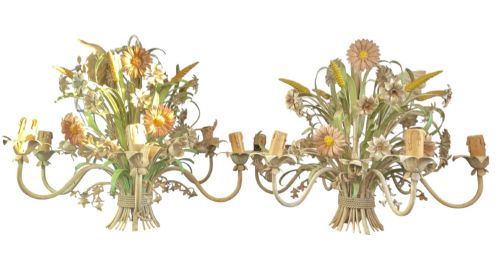


Retro Green Lamp
These retro green lamps bring character to any room, offering both functional task lighting and striking decorative presence through varied period forms.
Retro Green Lamp
When you search for a retro green lamp, you encounter a diverse array of lighting fixtures spanning multiple decades and distinct aesthetic traditions. The selection ranges from industrial task fittings to decorative table pieces, drawing on materials and forms from the Victorian era through the mid-twentieth century.
You are most likely to meet mid-century Italian designs, Art Deco table lamps, and industrial enamel pendants within this grouping. These pieces utilise distinctive green finishes across glass, painted metal, and ceramic bodies to create a focal point in domestic or commercial interiors.
How they were made
Maker construction relies heavily on metal and glass working techniques, utilising brass, steel, iron, and painted sheet metal alongside blown or moulded glass elements. Industrial fixtures employ robust enamel coatings over steel shades for durability, while decorative table lamps incorporate detailed metal castings or carved stone elements like onyx and alabaster.
Surface finish is central to these pieces, combining painted toleware, patinated brass, and coloured glass components such as Murano elements or frosted shades. Fabric components occasionally supplement these rigid structures, providing soft diffusion on specific lamp styles.
Retro Green Lamp Retail Price Guide 2026
Typical asking prices for retro green lamp among the pieces listed under this phrase on Sellingantiques today, from the lower quarter to the upper quarter. They describe what is for sale here now, not the wider market.
Among the glass pieces, moulded grapes and alabaster campana urns bring botanical whimsy straight to the tabletop.
What varies in quality
Quality rests upon the integrity of the materials and the sophistication of the manufacture, distinguishing mass-produced utilitarian items from artist-designed pieces. The weight of the metal components, the clarity and depth of the glass, and the finesse of the painted surface dictate the standing of an individual lamp.
The sophistication of the stylistic execution also separates the range, where sculptural figural bases or intricate floral toleware show greater artisan involvement than simple functional fittings. Preservation of the original surface finish without extensive modern intervention maintains the integrity of the piece.
The Retro Green Lamp Glossary
- Toleware
- Painted metalware decorated in a specific decorative tradition, frequently seen in Italian chandelier designs. This technique employs layered paint finishes to create rich surface colour.
- Murano Glass
- Glass manufactured on the Venetian island of Murano, known for inventive colour manipulation and traditional blowing techniques. Pieces often feature complex organic forms like fruit or grapes.
- Campana Urn
- A bell-shaped vessel with a flared rim and footed base, frequently utilised as a decorative lamp pedestal. This classical form appears in alabaster and stone bases.
- Enamel
- A fused glassy coating applied to metal surfaces for protection and colour, common in industrial pendant lights. It provides a glossy, wipe-clean finish that withstands heat.
Retro Green Lamp: Frequently Asked Questions
How do I style a retro green lamp at home?
These lamps work well as accent pieces on sideboards, desks, or bedside tables where their distinctive colour can anchor the room palette.
Pair them with neutral backgrounds to let the green tones stand out, or match them with complementary vintage furnishings from corresponding decades.
What periods do these green lamps come from?
The selection spans from the nineteenth century and Victorian period through the 1920s, 1930s, 1940s, and into the 1960s.
Each decade brings distinct manufacturing methods and design languages, ranging from industrial enamel work to refined Art Deco figures.
How do I identify Art Deco lighting?
Art Deco pieces typically feature geometric lines, stylised figural elements, and streamlined forms that reflect the design ethos of the 1930s.
Look for symmetrical compositions, globes, and metallic finishes that embrace the modernity of the interwar period.
Were these lamps used in homes or factories?
The collection includes both domestic table lamps and heavy-duty industrial pendant lights originally designed for commercial workspaces.
Industrial enameled shades and spot lights served practical purposes in factories, while painted toleware and glass fruit lamps adorned residential interiors.