




Retro Gold Charm
A retro gold charm brings character and storytelling to a collection, offering miniature representations of animals, objects, and symbols in precious metal.
Retro Gold Charm
When you search for a retro gold charm, you encounter miniature pendants and trinkets that reflect mid-century design, alongside related pieces such as lockets and medallions. The selections span from the 1920s through the 1960s, encompassing Edwardian examples and specific styles like Mid-Century Modern and French Chateau. These items often double as charms and pendants, capturing subjects ranging from animals and zodiac signs to everyday objects.
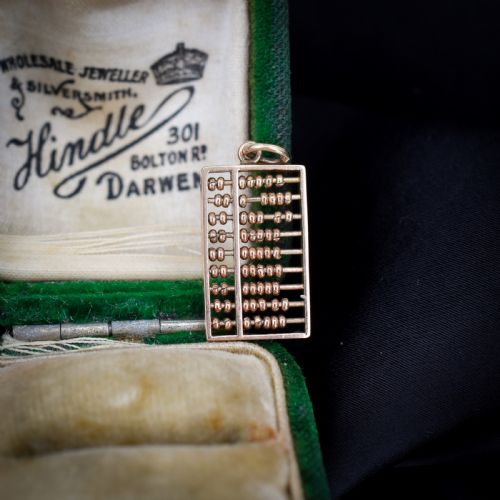
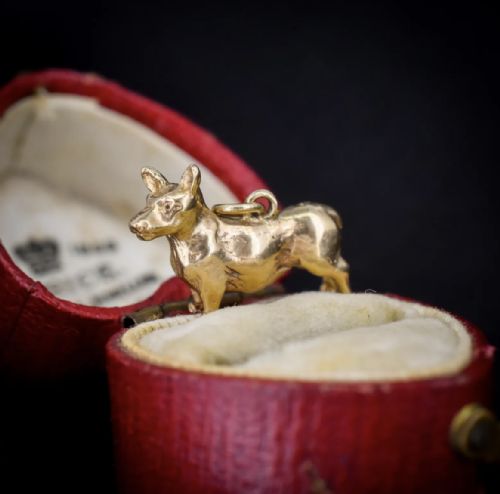
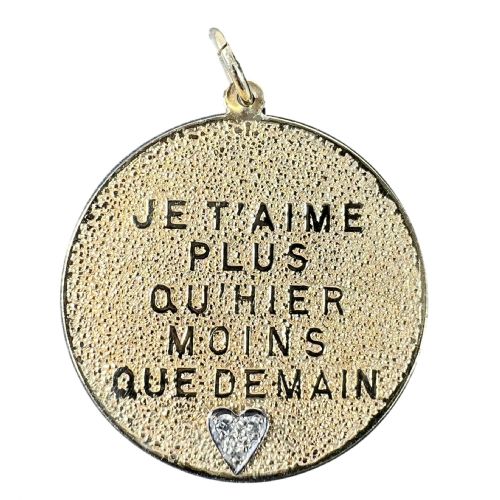
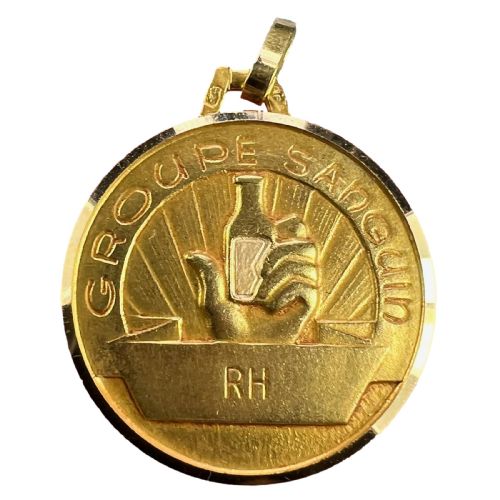
The pieces on this page appear in various configurations, including figural representations like cats and corgis, alongside functional items such as abacus charms and dice pendants. Alongside traditional charms, the listings include opal solitaire necklaces, diamond heart love charms, and medical pendants displaying blood types. French influences also emerge through zodiac medals and love tokens bearing inscriptions.
Makers and origins vary across the inventory, with French workshops represented alongside British hallmarks from Birmingham. Materials range from standard gold varieties to complex jewelled configurations featuring rubies, sapphires, emeralds, and diamonds. Buyers will find that these items combine wearable jewellery with distinct mid-century character.
Materials and Construction
The construction of these pieces relies heavily on 9ct yellow gold, 14ct yellow gold, and 18ct yellow gold. Artisans shaped these metals into detailed figures, lockets, and medals, frequently employing casting and stamping techniques standard to the period. Coloured enamel often appears applied to gold surfaces to add vibrant red or multi-toned details to items like dice and cottages.
Gemstone setting forms another key element of manufacture, incorporating diamonds, rubies, sapphires, and emeralds into the gold framework. Opals and aquamarines are also utilised as focal points in solitaire and large pendant designs. These stones are secured through traditional bezel and prong settings, complementing the polished yellow gold structures.
Evaluating Quality and Craftsmanship
The reputation of the maker and the complexity of the design elevate certain pieces, particularly those originating from established French ateliers or bearing specific hallmarked dates and locations. The inclusion of substantial gemstones, such as large carved sapphires or high-carat aquamarines, marks out the upper tier of the range. Ultimately, the integration of artistic design with robust precious metalwork determines the standing of each piece.
C'est Laudier·French Perroud·Merrin·Augis
The Retro Gold Charm Glossary
- Retro
- A design style spanning the mid-twentieth century, characterised by bold forms and warm yellow gold. It reflects the aesthetic developments of the 1940s and 1950s.
- Hallmark
- An official stamp applied to precious metals indicating purity, origin, and sometimes the year of manufacture. British examples often include town marks like Birmingham.
- Enamel
- A glassy substance fused to metal through firing, used to introduce colour and pattern. It frequently highlights details on miniature charms and pendants.
- Solitaire
- A jewellery setting featuring a single gemstone as the primary focus. In these listings, it commonly describes opal pendants.
Retro Gold Charm: Frequently Asked Questions
How do I wear a charm pendant?
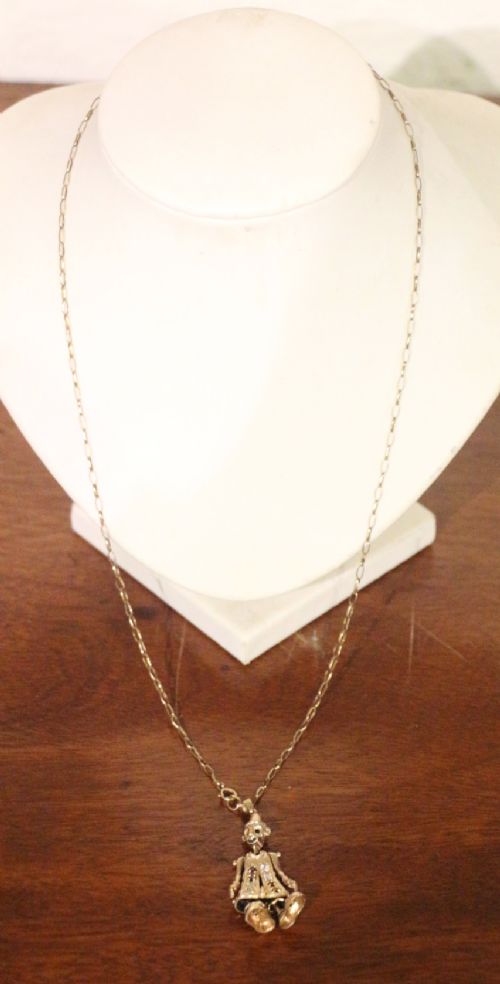
Charm pendants can be suspended from fine gold chains to be worn as necklaces, or attached to traditional link charm bracelets.
Their versatile size allows them to be layered with other jewellery or worn singly as a focal point.
What periods do these charms come from?
The pieces span several decades, with a strong representation from the 1930s, 1940s, 1950s, and 1960s, alongside Edwardian examples.
Each period brings distinct stylistic elements, ranging from sleek mid-century modern designs to ornate French medals.
How are gold purities distinguished?
Gold purity is measured in carats, with listings here featuring 9ct, 14ct, and 18ct yellow gold variations.
Hallmarks and maker's marks stamped directly onto the metal often provide the precise composition and origin.