

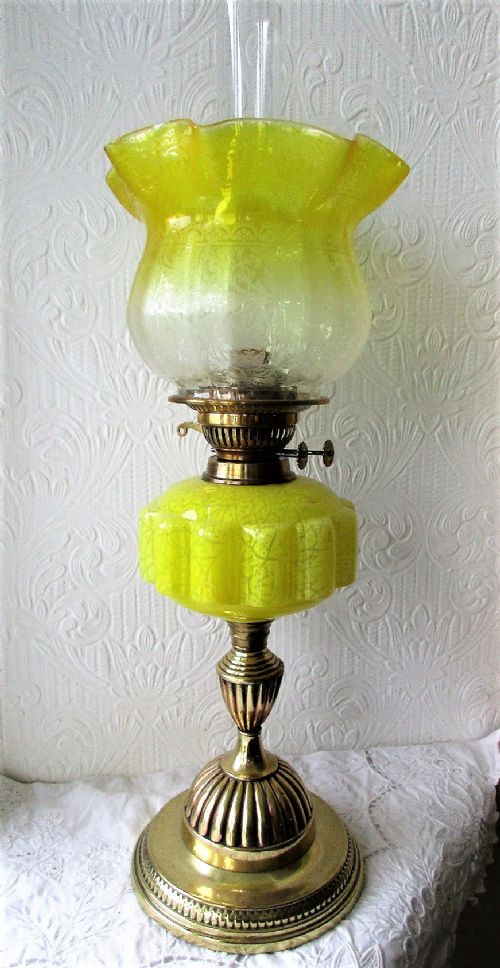


Retro Glass Table Lamp
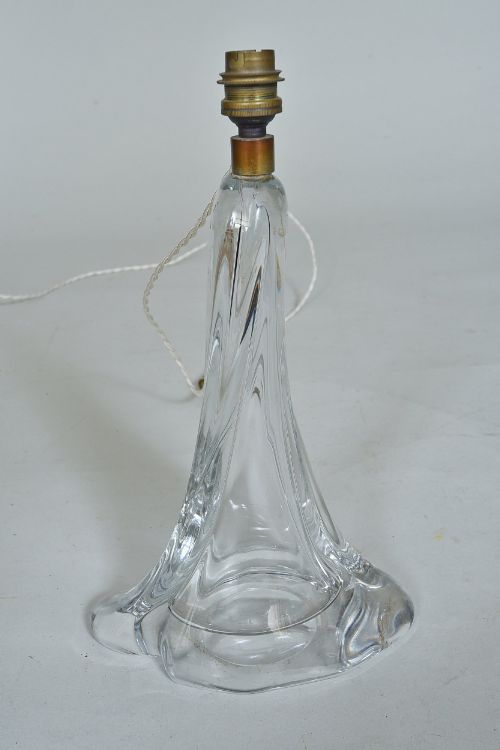
A retro glass table lamp brings focused illumination and geometric form to a room, offering both decorative presence and functional light.
Retro Glass Table Lamp
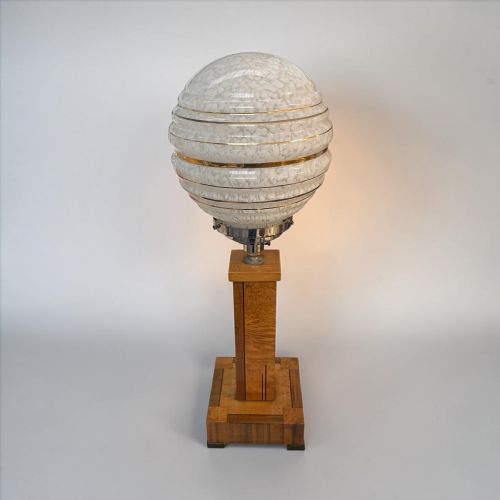
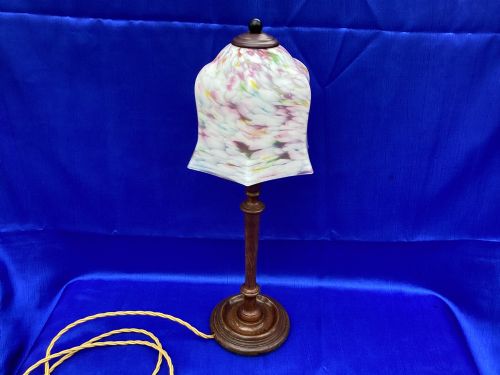
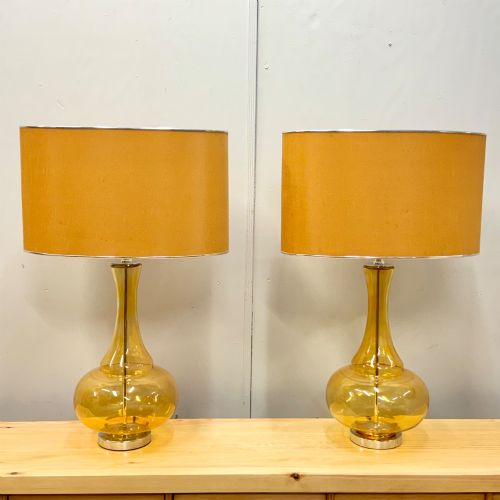
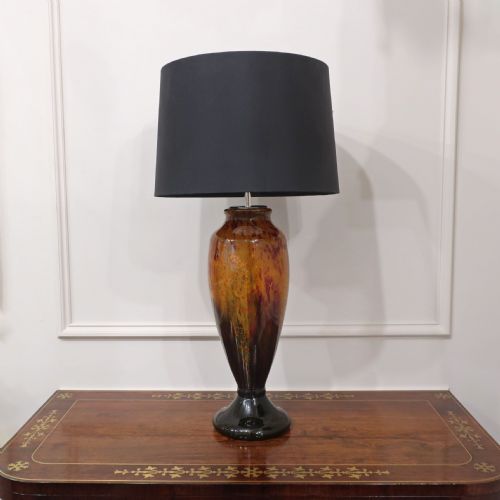
A retro glass table lamp combines transparent, coloured or opaline glass bodies with metal fittings to create distinctive domestic illumination. These pieces bridge decorative art and practical lighting through varied regional aesthetics and mid-century designs.
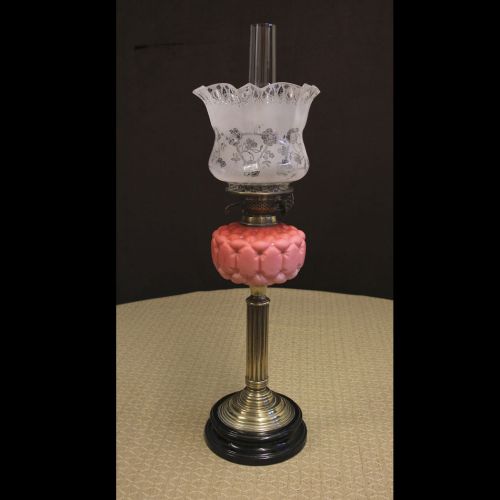
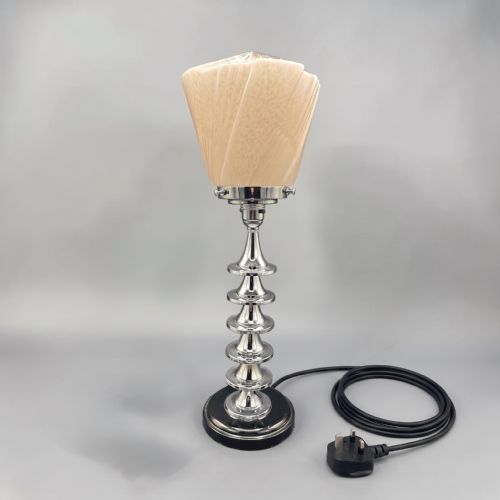
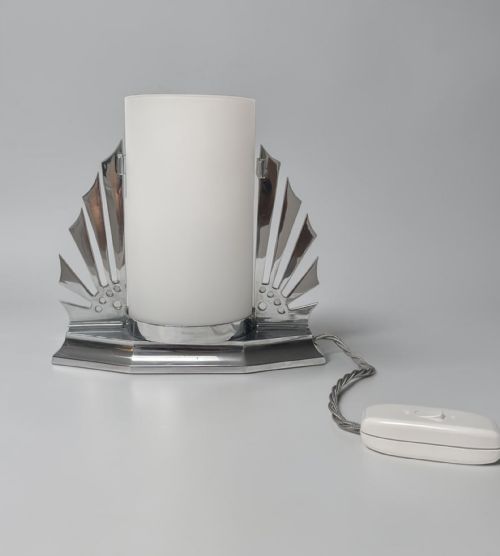
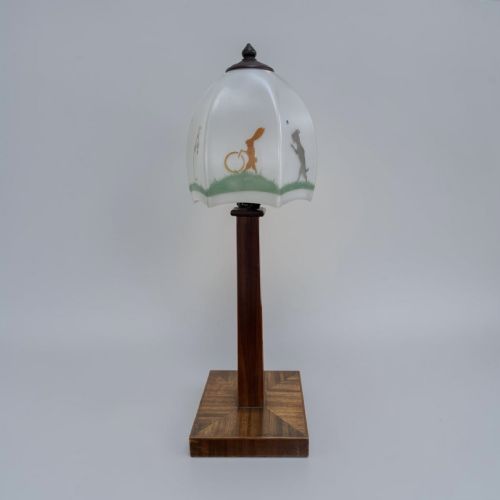
The selections available here span multiple eras, most notably the 1930s Art Deco period alongside Victorian, Edwardian, and 1940s examples. Buyers frequently encounter moulded glass, cut crystal, and frosted components paired with brass, chrome, or wood bases.
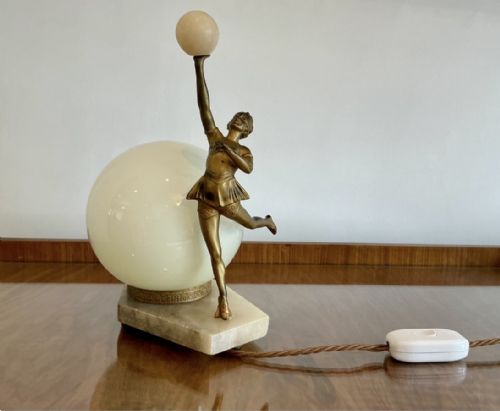
Forms range from simple mushroom shapes and geometric cylinders to figural sculptures featuring nudes, animals, and fruit motifs. Several listings pair glass shades with marble, alabaster, or mahogany supports to elevate the overall composition.
Materials and construction methods
Glass production relies on blowing, moulding, or cutting techniques to achieve smooth curves, sharp facets, and textured surfaces like mottling or opal finishes. Makers combined these glass elements with cast brass, spun chrome, or patinated bronze for structural stability.
Bases frequently incorporate secondary materials such as carved marble, alabaster urns, polished wood, or bakelite to anchor the heavier glass components. Wiring and lamp holders were integrated into metal collars or threaded mounts secured directly through the centre of the body.
Retro Glass Table Lamp Retail Price Guide 2026
Typical asking prices for retro glass table lamp among the pieces listed under this phrase on Sellingantiques today, from the lower quarter to the upper quarter. They describe what is for sale here now, not the wider market.
Listings demonstrate a strong presence of 1930s Art Deco lighting alongside 19th-century converted oil lamps.
Assessing quality and execution
Superior examples demonstrate precision in the glass-cutting or moulding process, showing crisp edges, even wall thickness, and rich colour saturation without accidental bubbles or distortions. Metal components such as brass or chrome display careful finishing, solid weight, and secure joins rather than flimsy stampings.
Artistic ambition distinguishes standard lighting from exceptional work, particularly in figural or modernist designs where sculptural detail and proportions remain balanced. The integration of high-grade mounting materials like marble or alabaster further elevates the execution of the piece.
Charles Schneider·Karl Palda
The Retro Glass Table Lamp Glossary
- Opaline Glass
- A pale, translucent glass type that diffuses light softly, frequently utilised in nineteenth-century and early twentieth-century lighting.
- Art Deco
- A design style from the interwar period characterised by geometric symmetry, stylised motifs, and sleek metallic or glass surfaces.
- Campana Urn
- A bell-shaped vessel with a flaring rim and a pedestal base, often adapted as a lamp body from classical stone or alabaster forms.
- Mushroom Lamp
- A rounded lighting form where the shade curves outwards to resemble the cap of a mushroom, popular in glass designs.
Retro Glass Table Lamp: Frequently Asked Questions
How do I date a glass table lamp?
Dating relies on observing stylistic markers such as geometric Art Deco lines or Victorian oil lamp conversions, alongside material combinations like chrome and bakelite.
Examining the construction of the fittings, wiring apertures, and glass-moulding techniques provides further clues to the decade of manufacture.
What is an opaline glass lamp?
Opaline glass lamps feature a milky, translucent white or coloured body designed to soften and diffuse bulb glare evenly across a room.
This material appears frequently in Edwardian and nineteenth-century converted oil lamps as well as mid-period decorative designs.
How were old oil lamps converted to electricity?
Older oil lamps were adapted for electric bulbs by running internal wiring through the original burner mechanism or reservoir.
This process often retained the brass collars and glass fonts while replacing the paraffin fuel chamber with a lampholder.
Where should I place a figural lamp?
Figural lamps featuring human figures, animals, or fruit motifs serve as sculptural focal points on side tables, desks, or occasional furniture.
Their decorative forms demand a prominent surface where the detailed glass and metalwork remain fully visible from multiple angles.