

Retro Glass Pendants
These retro glass pendants bring genuine mid-century and early twentieth-century character to modern spaces through striking translucent forms.
Retro Glass Pendants
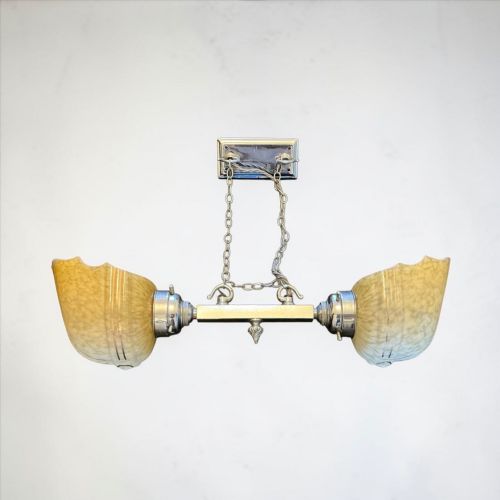
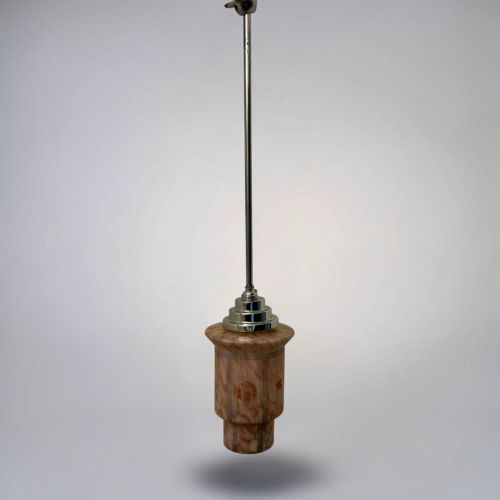
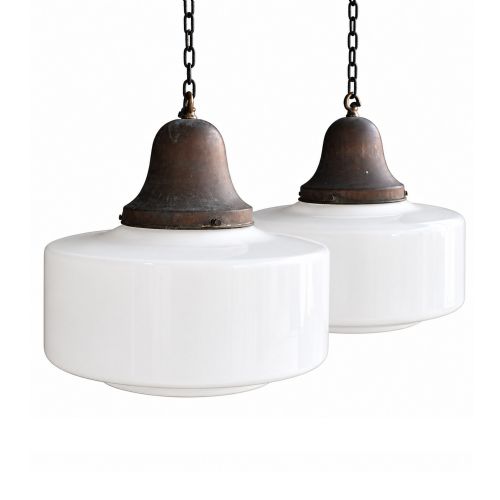
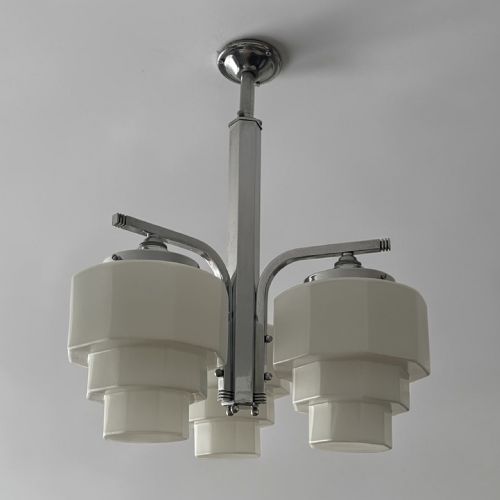
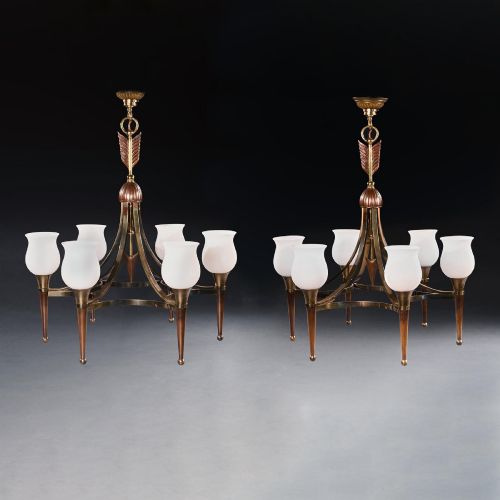
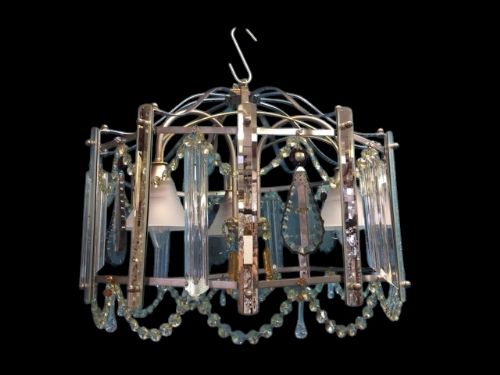
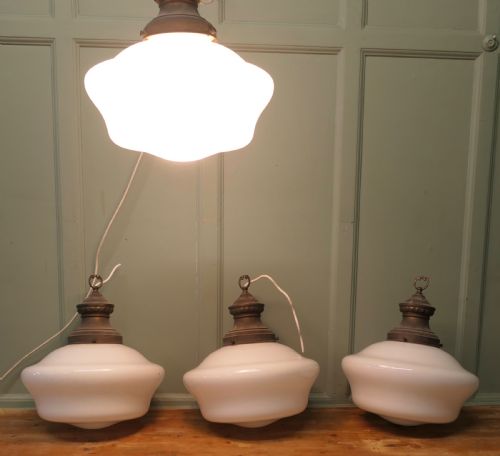
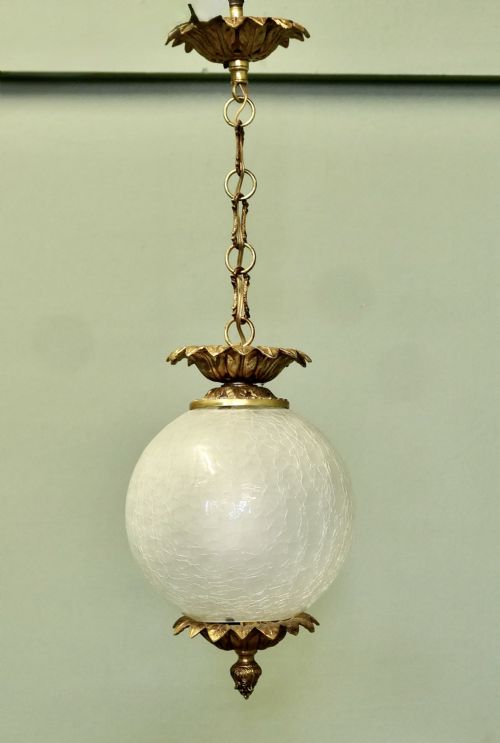
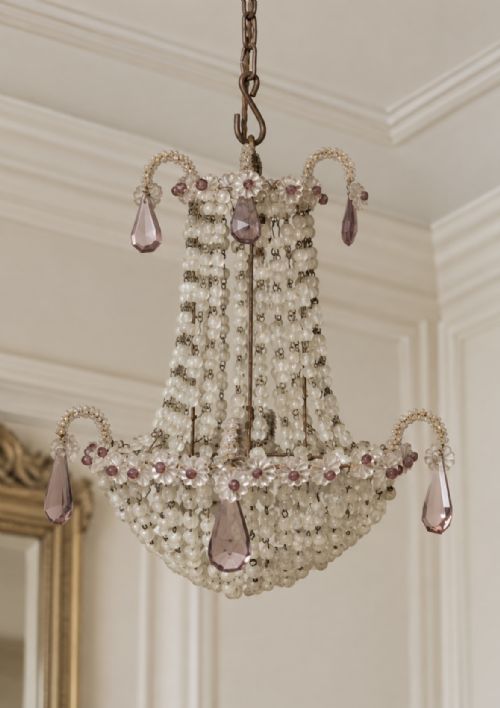
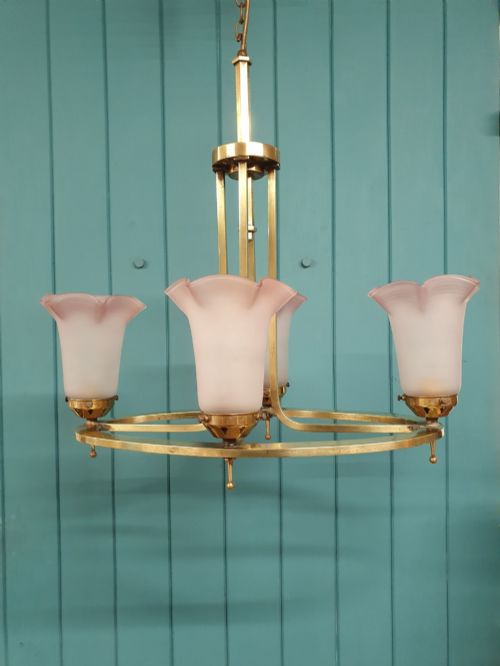
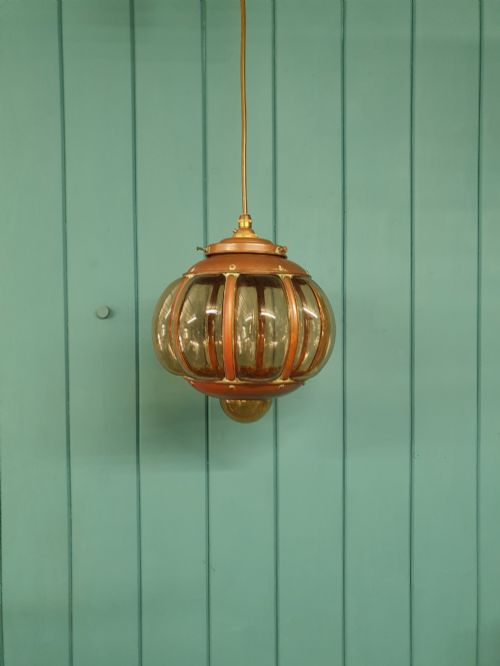
When buyers search for retro glass pendants, they encounter suspended ceiling lighting spanning the nineteenth century through the 1940s, with a strong concentration of Art Deco pieces. The forms range from simple globes and conical shades to elaborate multi-light chandeliers and factory fixtures.
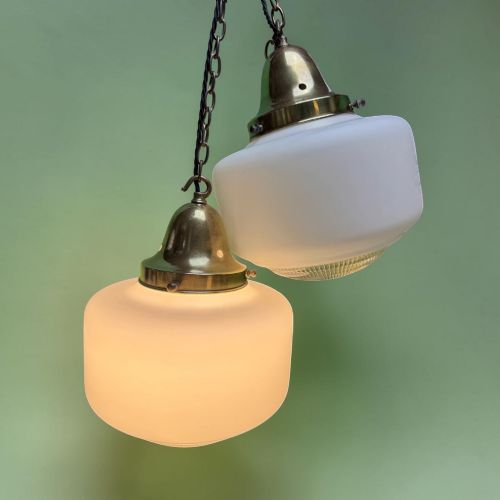
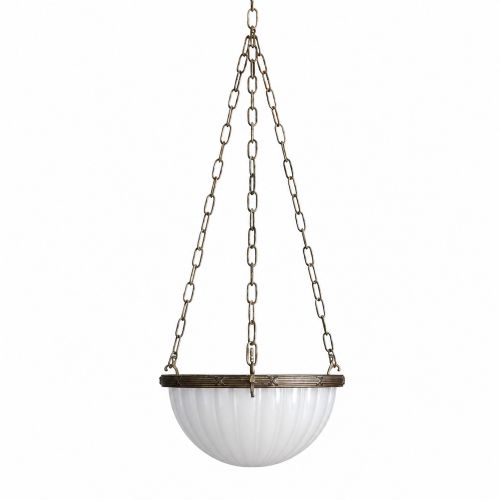
French, English, and Italian origins dominate the selection, bringing distinct regional styles such as Venetian drops, Florentine details, and robust industrial designs. Buyers will frequently find opaline glass globes and moulded shades designed to cast diffused, practical illumination.
The inventory encompasses single pendant lights, matched pairs, and larger chandeliers suited for hanging in hallways, kitchens, and living spaces. Each piece reflects the architectural and domestic lighting needs of its specific decade, from Edwardian hallways to 1930s interiors.
How they were made
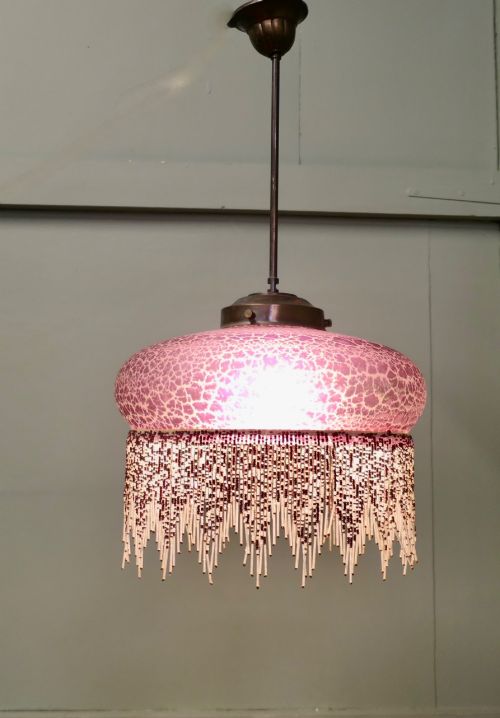
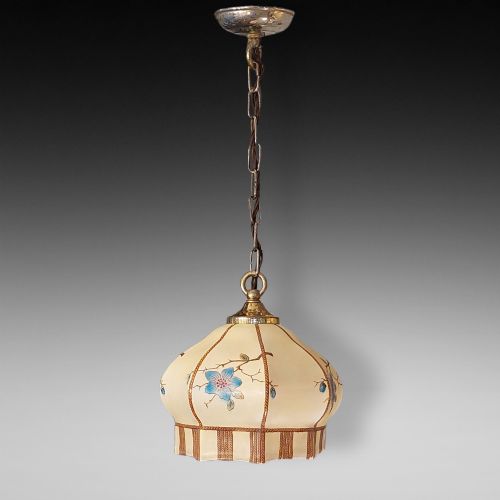
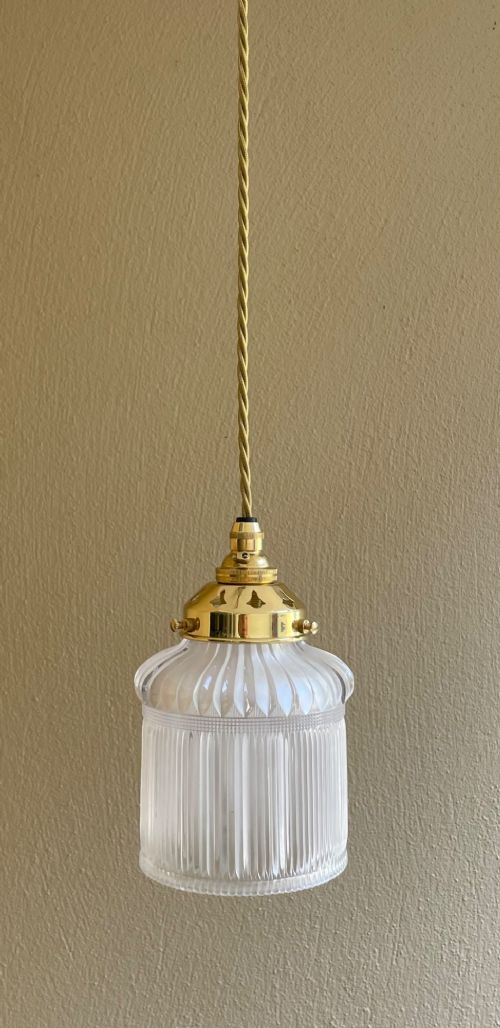
Glass production during these periods relied on skilled moulding, hand-painting, and specialised techniques like crackle finishes and prismatic pressing. Makers utilised opaque opaline glass, frosted surfaces, and coloured glass to control how the light dispersed through the room.
Metal components such as brass, copper, chrome, and standard metal galleries provide the structural support and suspension for the glass shades. These metal mounts often feature industrial fitter rings or decorative period hardware that secure the pendant safely to the ceiling.
Retro Glass Pendants Retail Price Guide 2026
Typical asking prices for retro glass pendants among the pieces listed under this phrase on Sellingantiques today, from the lower quarter to the upper quarter. They describe what is for sale here now, not the wider market.
Some fixtures arrived from old French churches ready to cast divine light over a modern dining table.
What varies in quality
The standard of glasswork dictates much of the distinction between pieces, particularly in the depth of colour, uniformity of opaline layers, and the complexity of moulded patterns. Heavier, thicker glass shades and sophisticated prismatic or crackle textures separate standard utility lighting from more artistic examples.
The refinement of the metal hardware, including patinated brass, polished chrome, and cast copper galleries, indicates the original tier of manufacture. Integrated details like hand-painted motifs or matching matched pairs elevate the integrity of the surviving fixture.
Jean Gauthier
The Retro Glass Pendants Glossary
- Opaline glass
- A milky, translucent glass that diffuses light softly and evenly without glare. It appears frequently in twentieth-century ceiling fixtures.
- Holophane
- A brand of prismatic glass designed to direct and refract light efficiently. These shades are prized in industrial and commercial lighting.
- Plafonnier
- A ceiling light fixture mounted flush or very close to the ceiling surface. They often feature decorative glass bowls held by metal mounts.
- Gallery
- The metal ring or fitting that grips the top of a glass shade and connects it to the suspension rod or flex. It secures the pendant in place.
- Chandelier
- A branched hanging light fixture designed to hold multiple bulbs and shade configurations. They often incorporate decorative drops or crystal elements.
Retro Glass Pendants: Frequently Asked Questions
How do I hang a heavy glass pendant?
Heavy glass pendants require secure ceiling joist fixings and appropriate metal chain or rod suspension. Ensure the electrical box can support the combined weight of the glass shade and metal gallery.
Consult a qualified electrician to verify that the wiring matches modern safety standards before installation.
What rooms suit an opaline pendant light?
Opaline pendants suit kitchens, hallways, and dining areas where soft, diffused illumination is desirable. Their opaque glass hides the bulb while spreading light evenly across the space.
They pair well with both period interiors and minimalist modern rooms needing character.
How do I date a glass ceiling light?
Dating relies on stylistic clues like geometric Art Deco moulding, industrial brass fixtures, or Edwardian frilled edges. The materials used, such as chrome plating or early copper wiring channels, also point to specific decades.
Comparing the fitter size and gallery design with documented period lighting helps narrow down the era.
Can these vintage lights take modern LED bulbs?
Most vintage pendants accommodate modern LED bulbs as long as the wattage and physical dimensions fit within the shade. Standard screw or bayonet fittings generally accept contemporary energy-saving alternatives.
Check the inner clearance of the glass shade to ensure the bulb does not touch or overheat the glass.