




Retro Glass Fixture
A retro glass fixture brings period illumination to a room, ranging from Art Deco pendants to Victorian oil lamps.
Retro Glass Fixture
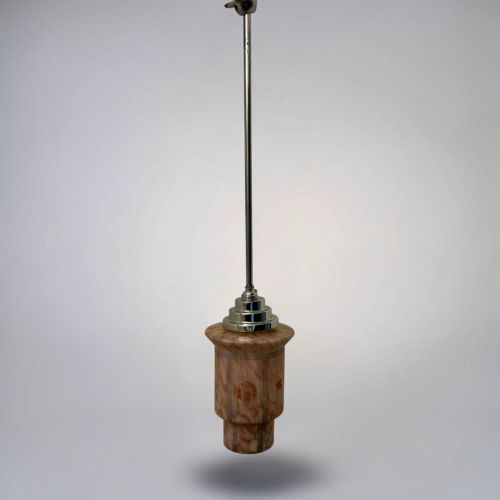
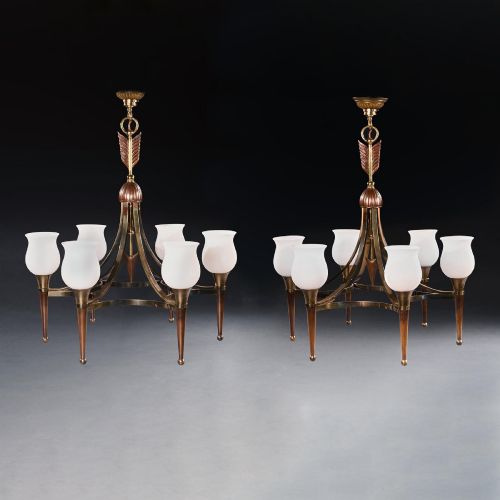
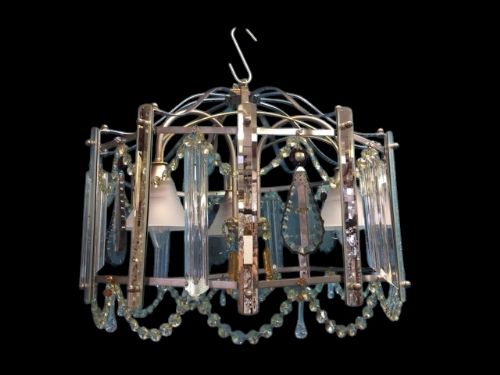
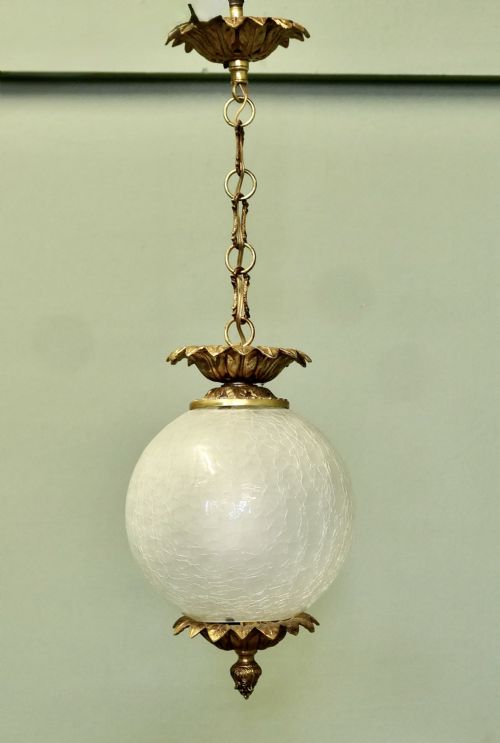
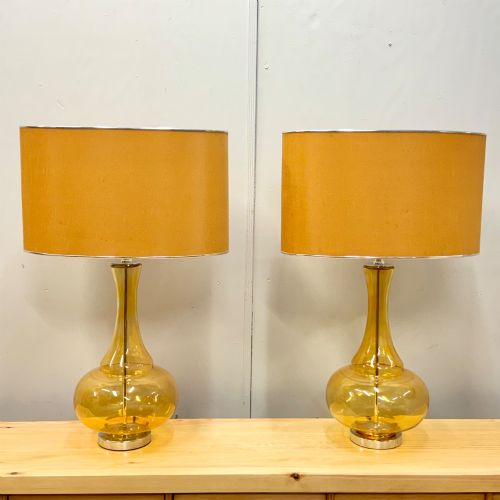
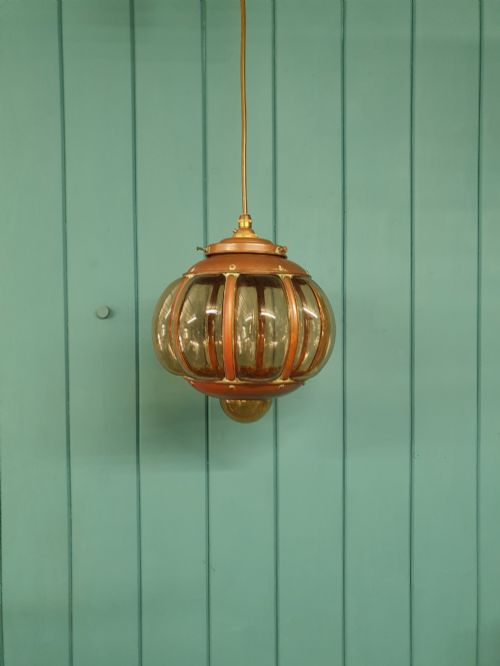
A retro glass fixture encompasses lighting and functional hardware from the nineteenth and twentieth centuries, spanning periods such as Victorian, Edwardian, and the 1930s. Buyers searching for a retro glass fixture typically encounter pendant lights, wall sconces, and chandeliers fashioned from glass combined with metal mounts.
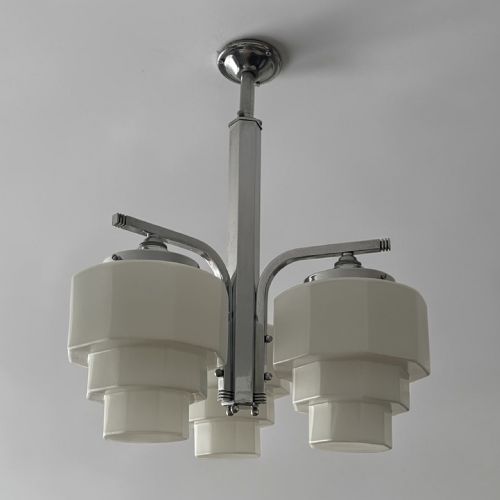
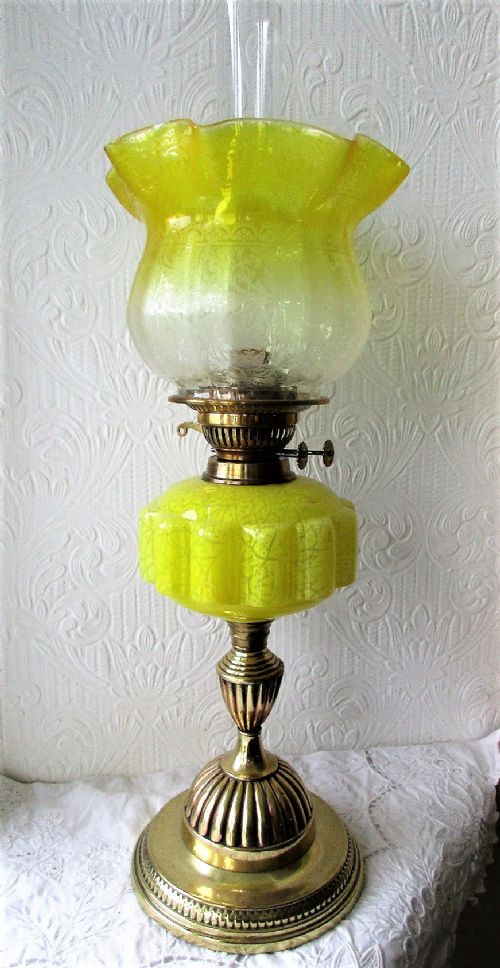
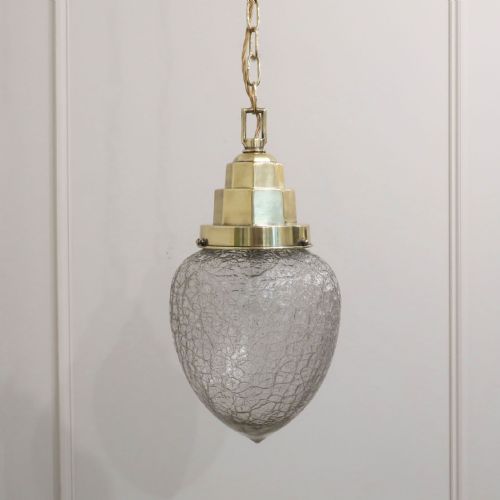
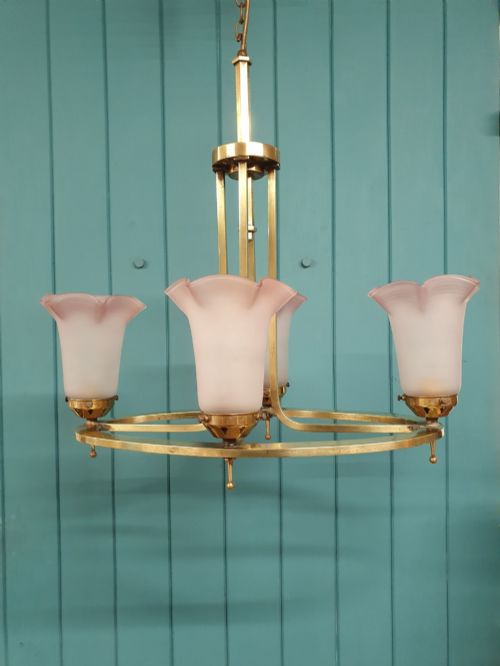
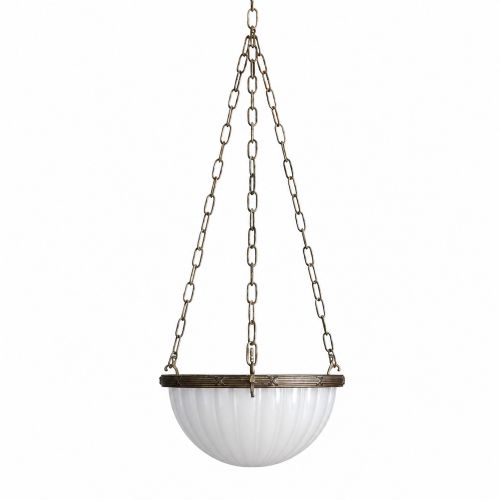
The selections on this page lean heavily towards the Art Deco aesthetic of the 1920s and 1930s, alongside earlier nineteenth-century oil lamps and brass fixtures. Forms include globes, pear-shaped opaline pendants, and multi-light chandeliers designed for ceiling or wall mounting.
How they were made
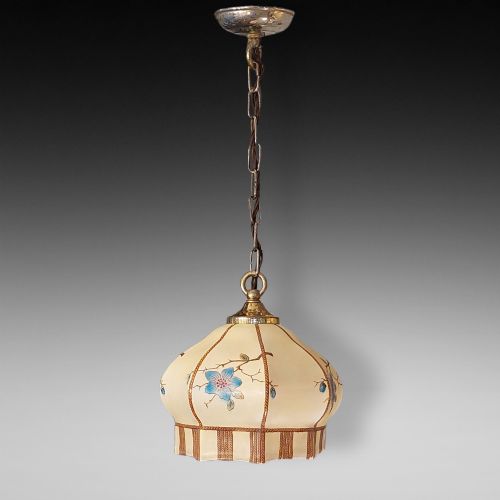
Makers combined moulded, frosted, amber, or opaline glass shades with structural elements in brass, chrome, copper, and bronze. Techniques range from hand painting on glass to specialised mould-blowing for crackle glass, fish scale patterns, and cloud shapes.
Metal components often feature fitted galleries and mounting brackets cast in brass or finished in polished chrome. Electrical conversions sit alongside original oil and paraffin mechanisms, retaining period wiring or housing modern fittings within vintage frames.
Retro Glass Fixture Retail Price Guide 2026
Typical asking prices for retro glass fixture among the pieces listed under this phrase on Sellingantiques today, from the lower quarter to the upper quarter. They describe what is for sale here now, not the wider market.
Listings feature items from the Victorian, Edwardian, and 1930s periods, utilising glass, brass, chrome, and copper.
What varies in quality
Quality reveals itself in the weight and clarity of the glass, whether opaline, crystal, or frosted, and the integrity of the metalwork such as brass and chrome. Subtleties in moulding, such as the depth of a fish scale pattern or the precision of a hand-painted motif, distinguish standard production from finer pieces.
The harmony between the glass shade and its original gallery or mount dictates the overall coherence of the object. Complete pairs and matched sets demonstrate superior preservation compared to assembled components.
Jean Gauthier·Karl Palda·Ezanville Ezan
The Retro Glass Fixture Glossary
- Opaline glass
- A milky, semi-translucent glass that diffuses light softly, frequently utilised in twentieth-century pendant shades. This material appears in pear-shaped and fish-scale pendant designs.
- Chrome mount
- A polished metallic fitting that secures the glass element, characteristic of twentieth-century industrial and Art Deco design. These mountings provide structural support while adding a bright metallic contrast to the glass.
- Gallery
- The metal collar or ring that grips the upper rim of a glass lampshade to suspend it from a ceiling fitting. Holophane and other styles rely on this metal gallery for secure attachment.
- Art Deco
- A design style dominant in the 1920s and 1930s characterised by geometric symmetry, stylised motifs, and modern industrial materials. Pieces from this era often pair frosted or crackle glass with chrome and brass.
- Oil lamp
- A nineteenth-century lighting device utilising a wick and reservoir for paraffin or oil before the widespread adoption of electricity. Many survive converted to electrical operation or retain their original brass burners.
Retro Glass Fixture: Frequently Asked Questions
What is a retro glass fixture?
A retro glass fixture is a vintage lighting piece or glass accessory originating from periods spanning the nineteenth century through the 1930s. These items include pendant lights, chandeliers, wall sconces, and table lamps that incorporate glass shades.
Such fixtures draw upon styles like Art Deco, Victorian, and Edwardian design, utilising materials such as brass, chrome, and opaline glass to achieve their historical appearance.
How do I identify an Art Deco glass fixture?
Art Deco pieces typically display geometric lines, stylized symmetry, and materials like chrome, brass, and frosted or crackle glass. Common forms from this period include cloud-shaped wall sconces and opaline pendant lights.
Examining the metal galleries and the specific moulding of the glass shade often helps confirm the 1920s or 1930s origin of the piece.
Were these fixtures originally electric?
Not all pieces started with electrical wiring, as earlier nineteenth-century examples often functioned as oil or paraffin lamps using brass burners. Many of these older lamps have since been converted to accept electrical fittings while retaining their original aesthetic.
Twentieth-century pieces from the 1920s and 1930s were more commonly designed alongside the growth of domestic electricity, featuring chrome mounts and dedicated suspension galleries.
How do I care for vintage glass lighting?
Cleaning requires gentle handling of both the glass shades and the associated metal mounts, such as unlacquered brass or polished chrome. Harsh chemical cleaners can damage delicate hand-painted details or aged patinas on the metal.
Regular dusting with a soft cloth preserves the surface, while periodic checks of the hanging hardware ensure the fixture remains secure.