

Retro Gemstone Ring
A retro gemstone ring brings bold mid-century scale, substantial precious metals and vibrant coloured stones directly to the hand.
Retro Gemstone Ring
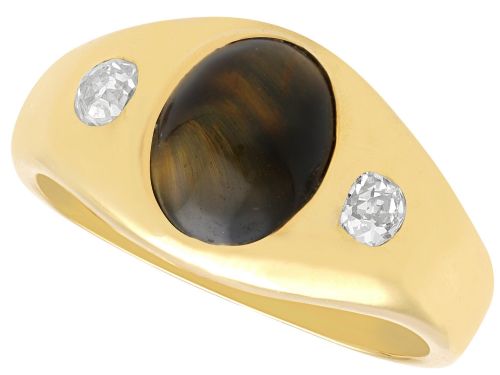
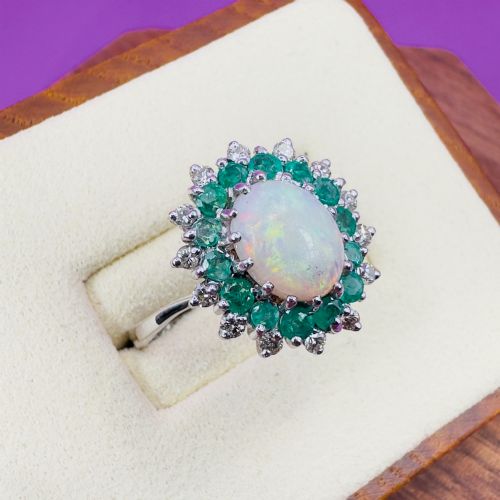
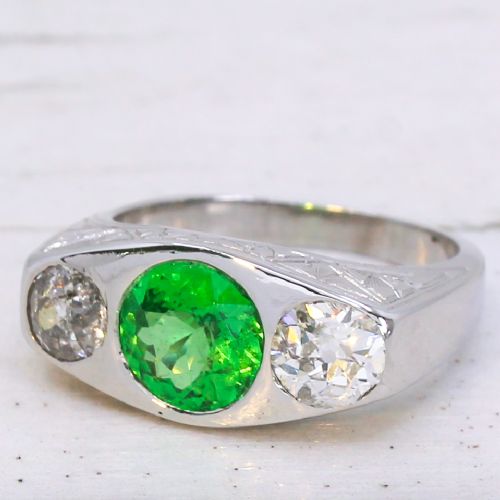
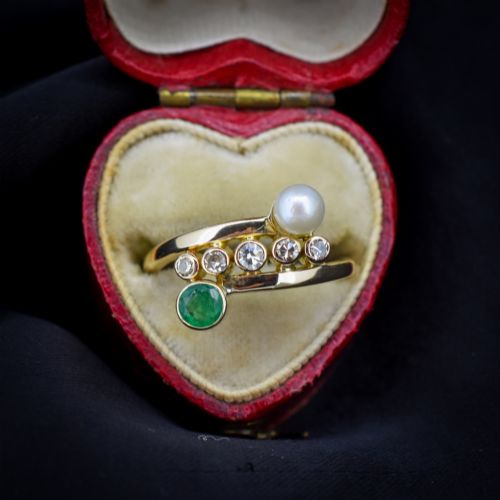
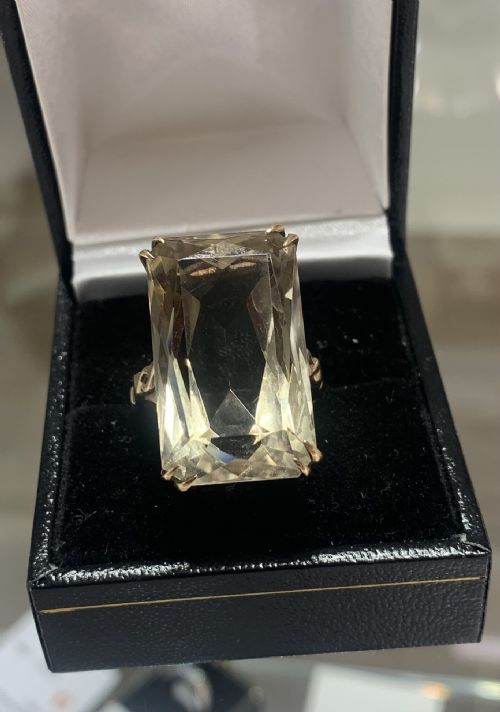
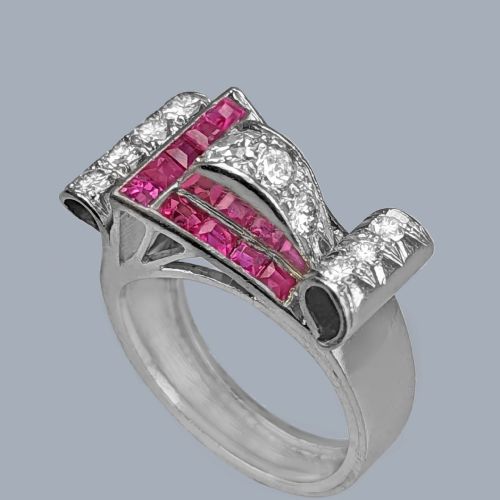
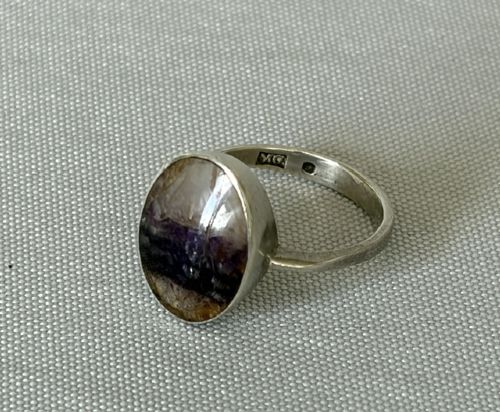
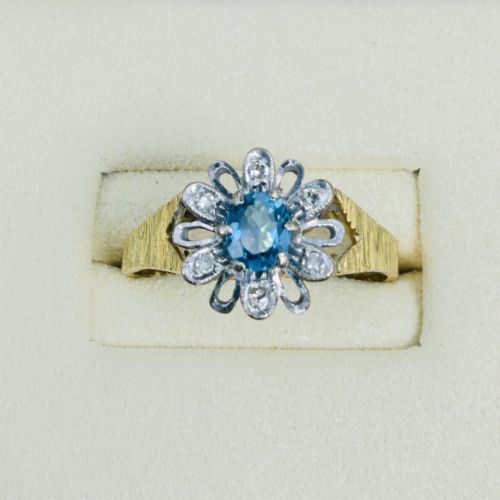
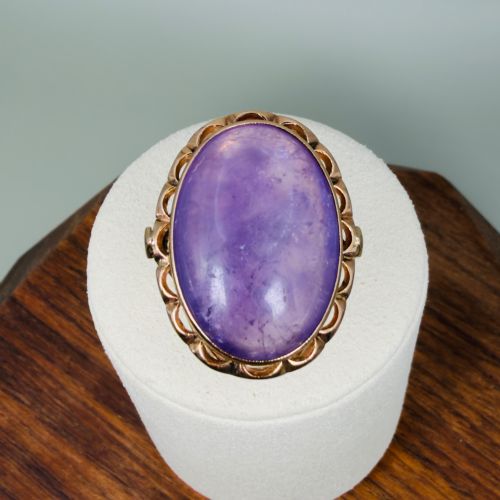
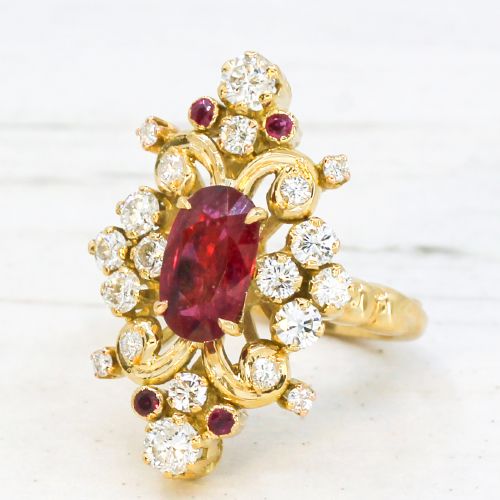
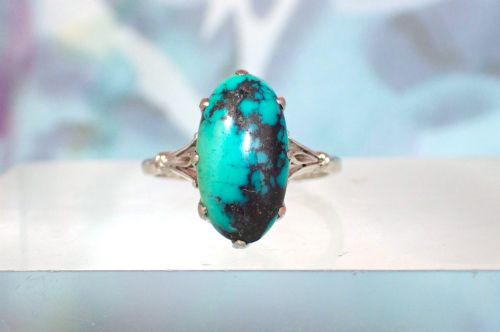
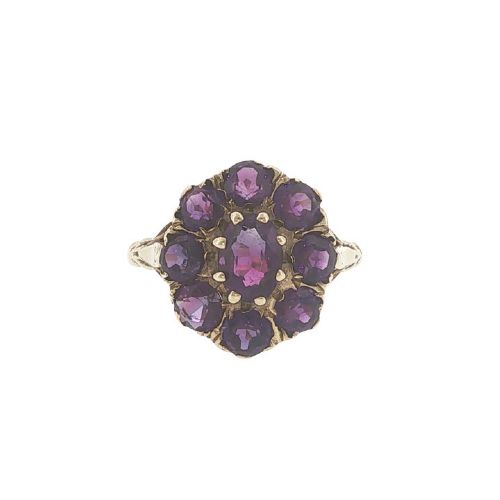
A retro gemstone ring captures the robust, sculptural jewellery styles of the nineteen forties and nineteen fifties alongside art deco and later vintage eras. These pieces frequently manifest as substantial cocktail rings, flower clusters, and tank styles designed to command attention.
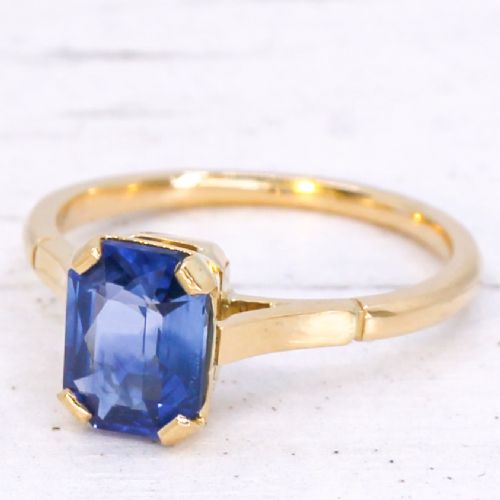
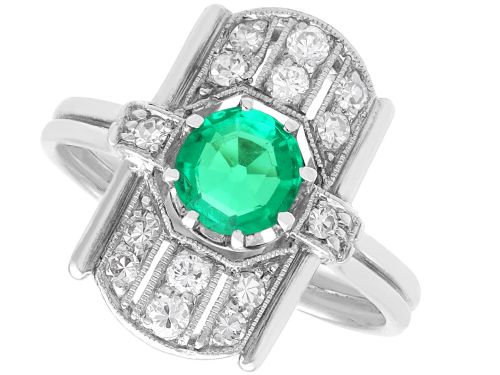
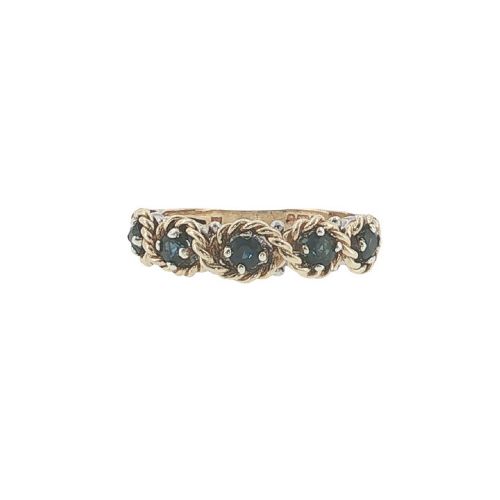
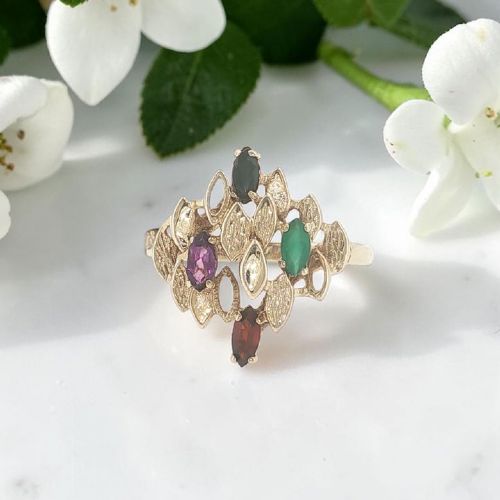
The selection ranges from large aquamarine and sapphire statement centerpieces to turquoise, amethyst, and ruby cluster configurations set in yellow gold, white gold, and platinum. Mid-century and nineteen seventies examples appear alongside earlier designs, offering varied profiles from geometric mounts to organic floral arrangements.
Materials and Construction
Goldsmiths utilised platinum, eighteen carat yellow gold, fourteen carat gold, and nine carat gold to build sturdy basket settings and substantial bands capable of supporting heavy stones. Gemstones such as aquamarine, ruby, sapphire, and diamond are integrated with secondary materials like jade, coral, opal, and turquoise.
Construction methods rely on traditional claw settings, bezel mounts, and bold tank style architecture that frame large carat weights with structural metalwork. Old cut diamonds and calibrated rubies or sapphires are frequently flush set or grain set into geometric shoulders.
Retro Gemstone Ring Retail Price Guide 2026
Typical asking prices for retro gemstone ring among the pieces listed under this phrase on Sellingantiques today, from the lower quarter to the upper quarter. They describe what is for sale here now, not the wider market.
Some rings manage to look like miniature architectural monuments built entirely out of gold and ice-blue aquamarine.
Evaluating Quality and Presence
Quality rests upon the natural scale, origin, and clarity of the central gemstone, where significant carat weights in unheated rubies or large aquamarines elevate the piece. The harmony between the dominant stone and surrounding diamonds or gold work dictates the overall visual impact.
Superior execution shows in the crispness of the metalwork, particularly in tank style architecture and heavy yellow gold castings, ensuring the mount supports the stones securely while maintaining balanced proportions on the hand.
The Retro Gemstone Ring Glossary
- Tank Ring
- A bold, architectural ring style originating in the nineteen forties, characterised by heavy metalwork that mimics military tank treads.
- Cocktail Ring
- A large, showy ring designed to draw the eye, usually featuring an oversized central gemstone or dense cluster.
- Cabochon
- A gemstone shaped and polished with a smooth, rounded convex surface rather than faceted edges.
- Old Cut
- A diamond cutting style predating modern round brilliants, featuring a smaller table, higher crown, and broad facets.
Retro Gemstone Ring: Frequently Asked Questions
What periods do these rings come from?
The pieces span several decades, encompassing nineteen twenties art deco designs, nineteen thirties and nineteen forties retro items, and nineteen fifties mid-century creations.
Later vintage examples extending into the nineteen seventies also appear across the selection, reflecting changing aesthetic preferences through the twentieth century.
How do I care for a vintage gemstone ring?
Protect softer organic materials like coral, pearl, and turquoise from harsh chemicals, perfumes, and ultrasonic cleaning devices.
Store individual rings in soft pouches to prevent scratching between harder stones like diamonds, sapphires, and aquamarines.
Are the gemstones natural?
Many listings specify natural unheated stones, including Burmese rubies, Ceylon sapphires, and large aquamarines.
Certain pieces incorporate cultured pearls, paste stones, or treated quartz, so checking individual descriptions confirms the precise mineral origin.
What metals are typically used?
Makers employed platinum, eighteen carat yellow gold, eighteen carat white gold, fourteen carat rose and yellow gold, and nine carat gold.
Heavier gold weights and platinum were particularly favoured during the mid-century period to support massive central gemstones securely.