



Retro Figurative Art
Retro figurative art brings together human forms, animals and interior scenes from the early to mid twentieth century, offering character and period charm for your walls.
Retro Figurative Art
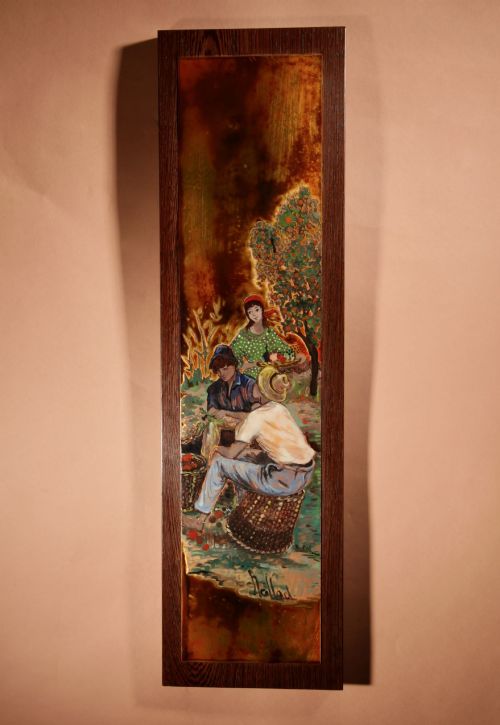
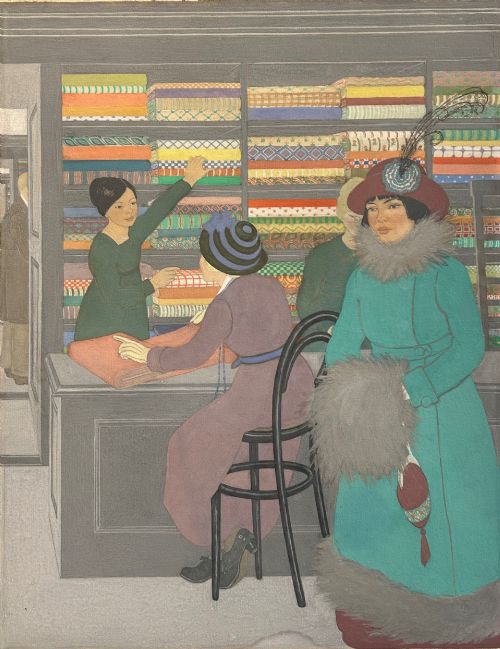
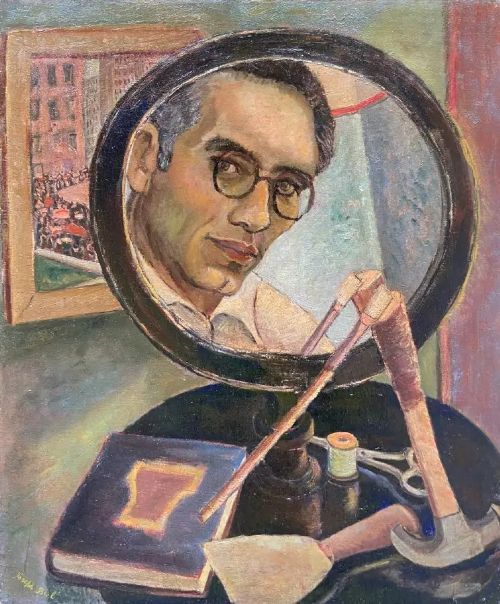
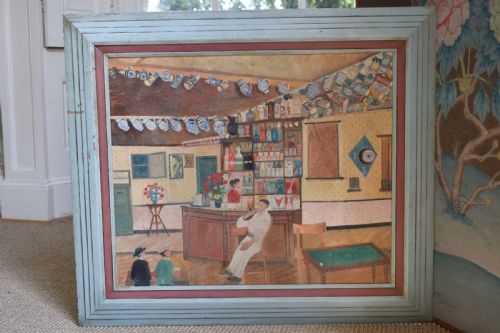
Retro figurative art encompasses oil paintings, board works, drawings and wall art created across several decades from the 1920s to the 1960s. These pieces focus on representations of people and animals, ranging from detailed self portraits and character studies to lively fairground scenes and intimate interior views.
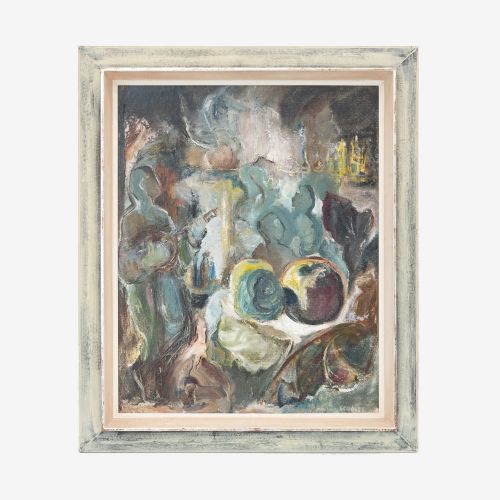
The selections available here lean heavily into mid century styles alongside earlier Art Deco pieces. You will encounter works spanning academic realism, naive art and expressionism, reflecting the diverse artistic approaches of the period.
How they were made
Artists of this era worked primarily with oil on canvas or board, ink, and pastel on paper, building compositions through layered pigments and confident strokes. Support materials such as sturdy wooden panels and heavy canvas provided stable foundations for both rapid studio sketches and finished gallery paintings.
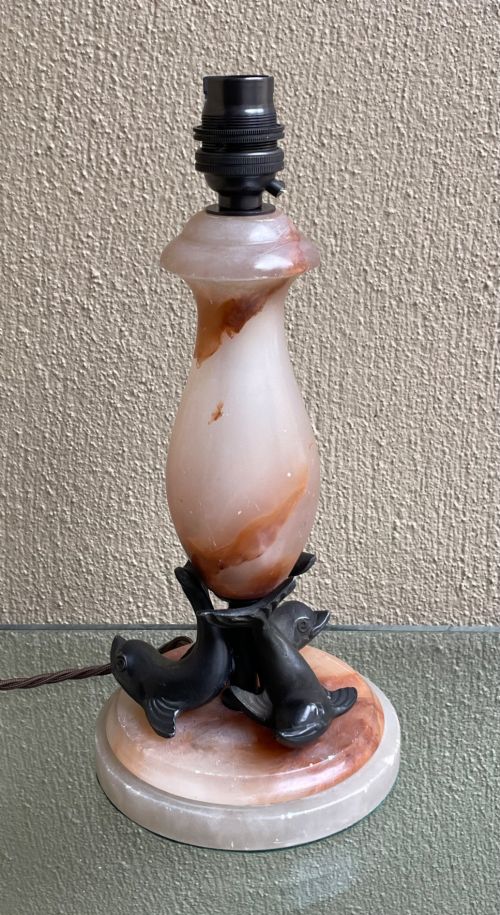
Beyond flat works, figurative design extended into three dimensional lighting objects utilising carved alabaster, marble, brass and glass. These pieces combined sculptural craftsmanship with functional utility, capturing subjects like animals and marine life.
Retro Figurative Art Retail Price Guide 2026
Typical asking prices for retro figurative art among the pieces listed under this phrase on Sellingantiques today, from the lower quarter to the upper quarter. They describe what is for sale here now, not the wider market.
Dogs feature prominently as subjects, immortalised faithfully in both oil on board and heavy brass table lamps.
What varies in quality
The strength of a piece rests in the confidence of the draughtsmanship and the clarity of the subject's expression, separating rapid sketches from fully realised portraits. Mastery over medium, whether handling oil paints or pastels, dictates how successfully depth and texture are achieved.
Provenance and attribution also elevate certain works, particularly when signed by known practitioners from British or European schools. The execution of supporting elements, such as framing or material finish on sculptural lighting, further distinguishes standard works from finer examples.
Joseph Biel·Beatrice Saunders·Lilian Colbourn·Denis William Reed·Sutcliffe·Lester Epstein·John Osborn·Eugen Rosenfeld·Murphy·Valerie Mackenzie
The Retro Figurative Art Glossary
- Oil on board
- A painting created using oil-based pigments applied directly to a rigid wooden or composition board support rather than stretched fabric. This method provides a firm surface often favoured for quicker studies and plein air work.
- Mid-Century Modern
- A style and movement spanning roughly the middle decades of the twentieth century, characterised by clean lines, functional forms and a departure from heavy ornamentation. In visual arts, it embraces both simplified realism and early abstract expressions.
- Academic Realism
- A style of painting and sculpture produced under the influence of European academies of art, following strict standards of proportion, finish and subject matter. It prioritises precise anatomical accuracy and detailed likeness over experimental techniques.
- Mixed media
- An artwork in which more than one medium or material has been employed, combining elements like ink, pastel and paint on a single surface. This approach allows artists to build varied textures and visual contrasts.
Retro Figurative Art: Frequently Asked Questions
What periods do these pieces cover?
The selection spans works created from the 1920s through to the 1960s, capturing shifting artistic movements across several decades.
You will find pieces reflecting Art Deco sensibilities as well as mid century realism and expressionism.
Are all the artworks painted on canvas?
No, while canvas is common, many pieces are executed on rigid boards, paper or mixed media supports.
Drawings in ink and pastel also feature alongside traditional oil paintings.
How do I distinguish between styles?
Early pieces from the twenties and thirties often display Art Deco influences or academic realism, focusing on defined forms.
Works from the nineteen fifties and sixties tend to embrace mid century British school aesthetics, expressionism and freer brushwork.
Can I find sculptural pieces here?
Yes, the category includes functional figurative works such as table lamps carved from alabaster or formed from marble and brass.
These items portray animals and subjects consistent with the decorative arts of the period.