

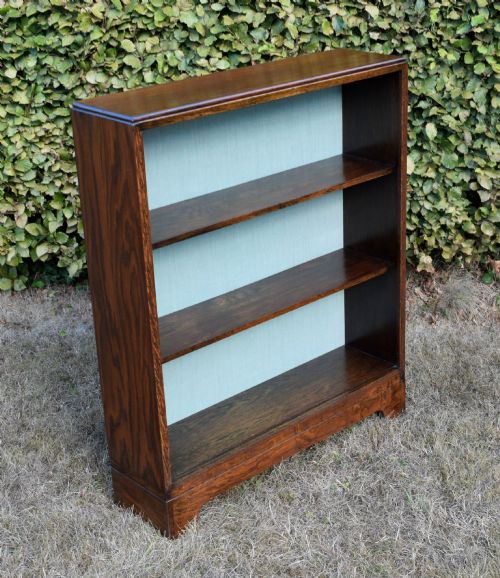


Retro Display Unit
A retro display unit brings mid-century or art deco character to a room while holding your books and objects.
Retro Display Unit
When you search for a retro display unit, you encounter a practical mixture of bookcases, display cabinets, and shelving units drawn from the early and mid-twentieth century. These items span the Edwardian era through the nineteen fifties, encompassing styles such as Art Deco, Mid-Century Modern, and Industrial designs.
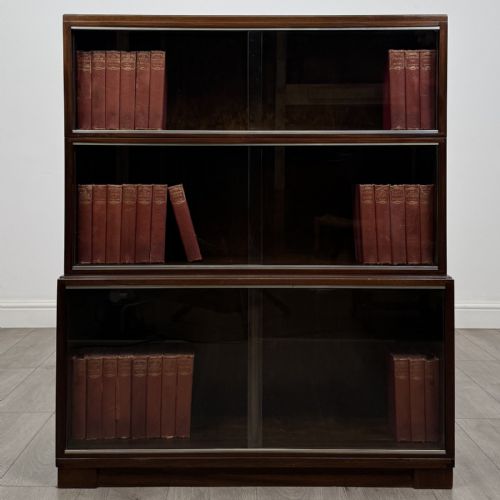
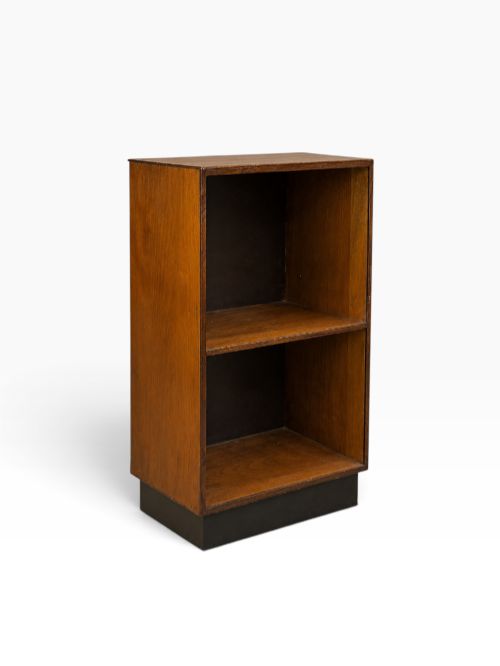
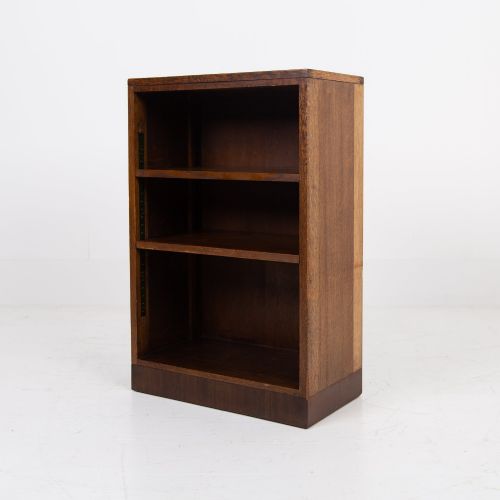
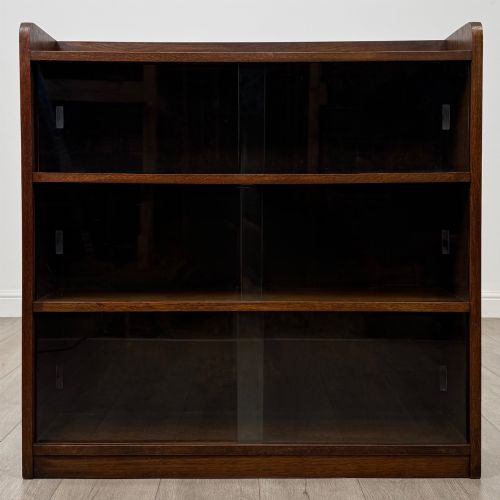
The most common examples on this page are nineteen thirties bookcases and display cabinets, often featuring glass doors or open shelving. Pieces range from large medical cabinets and shop display units to domestic breakfront bookcases and compact shelving units.
Makers and galleries such as Heals and the Phoenix Gallery appear in the selection, alongside unnamed pieces in teak, oak, and ash. The forms serve both storage and display functions, suiting living rooms and studies alike.
How they were made
Construction relies heavily on timber and wood veneer, with oak, walnut, birch, and teak forming the primary structures. Workshops utilised solid woods for frames and durable veneers for larger flat surfaces to achieve clean geometric lines.
Cabinetmakers combined traditional joinery with emerging industrial techniques, particularly visible in twentieth-century British production and medical cabinetry. Finishes range from natural polished grain to painted surfaces.
Retro Display Unit Retail Price Guide 2026
Typical asking prices for retro display unit among the pieces listed under this phrase on Sellingantiques today, from the lower quarter to the upper quarter. They describe what is for sale here now, not the wider market.
Materials recorded across the current selection include oak, walnut, birch, ash, teak, glass, and fabric.
What varies in quality
Quality differences lie in the selection of materials and the precision of the veneer work across the carcass. Superior examples display carefully matched wood grains and robust sliding or hinged glass doors that operate smoothly.
Design sophistication also divides standard utility pieces from finer items, particularly in pieces influenced by specific makers or distinct artistic movements like Art Deco. The integrity of the original hardware and glass elevates the standing of a cabinet.
Heals·Phoenix Gallery
The Retro Display Unit Glossary
- Breakfront
- A piece of furniture where the central section projects forward from the flanking sections. This configuration adds depth and visual interest to large bookcases and cabinets.
- Art Deco
- A design style characterised by sleek geometric shapes, stylised motifs, and streamlined forms. It dominated decorative arts and architecture during the nineteen twenties and thirties.
- Mid-Century Modern
- An architectural, interior, and product design development that generally describes modern design from the middle of the twentieth century. It prioritises clean lines, functional forms, and minimal ornamentation.
Retro Display Unit: Frequently Asked Questions
How do I use a display unit at home?
These units suit living rooms, studies, and hallways where you need to organise books or exhibit collections. Glass-fronted versions protect items from dust while keeping them visible.
Open shelving variants allow for easy access to frequently used volumes and decorative objects. Consider the room scale and lighting when placing a cabinet to ensure it complements your interior.
What periods do these cabinets come from?
The selection spans from the Edwardian period through the nineteen twenties, thirties, and forties, extending into the nineteen fifties. Art Deco and Mid-Century Modern styles dominate the later decades.
Earlier pieces often use solid oak, whereas nineteen fifties items frequently employ teak and engineered veneers. Each era brings distinct proportions and decorative treatments to the form.
Are these units made from solid wood?
Construction methods vary between solid timbers and wood veneers applied over a core substrate. Oak, ash, walnut, and teak appear frequently in both solid and veneered formats.
Veneers were standard practice for achieving decorative grain patterns on large flat surfaces, particularly during the Art Deco and mid-century periods.
How do I distinguish Art Deco from mid-century pieces?
Art Deco pieces from the nineteen thirties often feature stepped profiles, rich dark veneers, and symmetrical geometric detailing. They convey a sense of formal weight and theatricality.
Mid-century items from the nineteen fifties favour lighter timbers like teak, slender tapered legs, and organic, uncluttered lines. The focus shifts toward understated utility and relaxed modern living.