




Retro Diamond Band Ring
A retro diamond band ring brings together bold mid-century design and enduring sparkle for everyday wear.
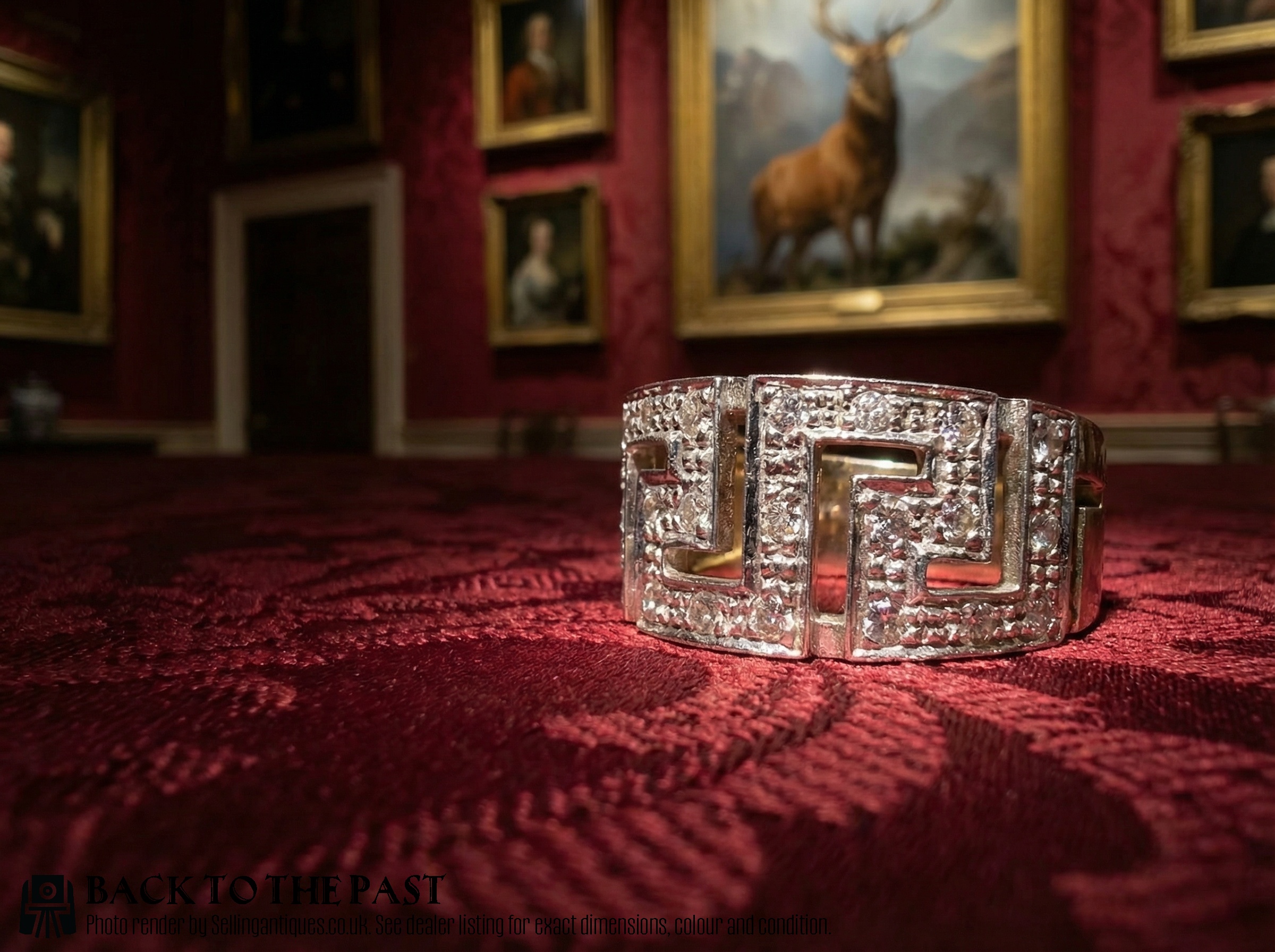
Retro Diamond Band Ring
A retro diamond band ring encompasses statement pieces spanning from the Edwardian era through the nineteen seventies, with a strong emphasis on mid-century design. These rings combine diamonds with yellow gold, white gold, rose gold, and platinum in geometric and sculptural forms.
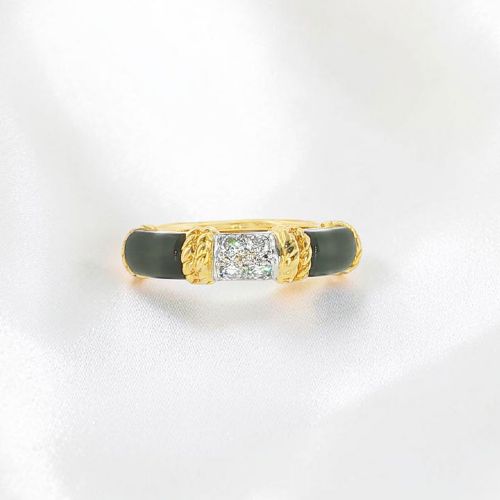
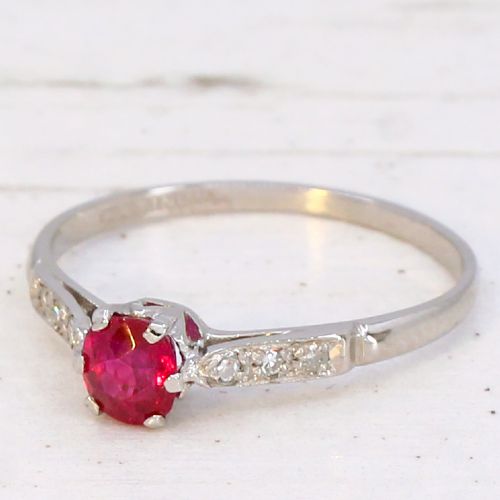
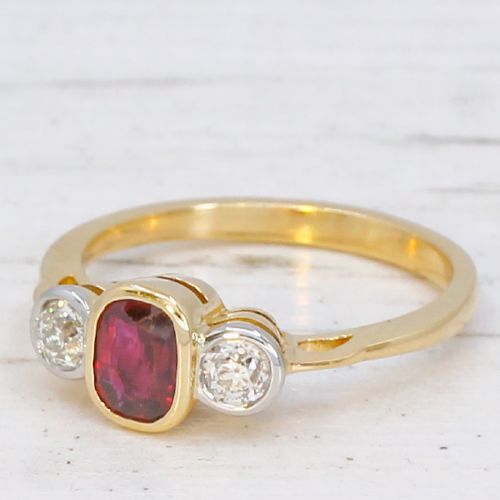
Buyers will encounter a variety of formations on this page, including traditional bands, cluster settings, and cocktail styles incorporating rubies, sapphires, emeralds, and black onyx alongside the diamonds. The selection reflects diverse periods from the nineteen twenties to nineteen seventies alongside later modernist works.
Materials and Construction
Goldsmiths utilised a combination of platinum and various gold alloys, including yellow, white, and eighteen carat yellow and rose gold, to form the foundational bands and settings. Gemstones such as diamonds, rubies, sapphires, and emeralds were then secured using traditional techniques suited to the period.
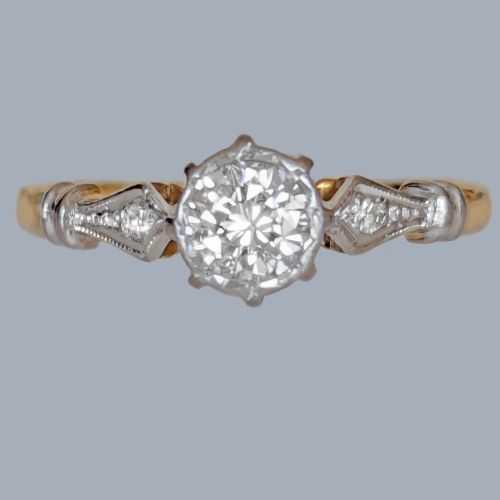
The diamond cuts seen across these pieces range from old cut and transitional cut to rose cut and single cut, reflecting the evolving techniques of twentieth-century jewellers. Enamel work and black onyx accents were also integrated to add contrast and structure to the geometric layouts.
Current listings feature pieces spanning the Edwardian period, Art Deco era, nineteen fifties, nineteen sixties, and nineteen seventies.
Assessing Quality in Construction and Design
Quality in a retro diamond band ring is determined by the precision of the metalwork, the weight of the gold or platinum, and the security of the settings. Finer pieces demonstrate careful integration of mixed metals and complex geometric or lattice structures.
The distinction between standard examples and superior ones often lies in the selection and cutting of the central stones, whether diamonds, sapphires, or Burmese rubies, alongside the reputation of the maker reflected in hallmarks.
Kutchinsky
The Retro Diamond Band Ring Glossary
- Retro
- A design style associated with the nineteen forties and nineteen fifties, characterised by bold shapes and heavy use of yellow and rose gold.
- Old cut
- An early style of diamond cutting featuring a small table, high crown, and large culet, common in antique and vintage rings.
- Transition cut
- A diamond cutting style used roughly between the nineteen twenties and nineteen thirties that bridges old mine cuts and modern brilliant cuts.
- Platinum
- A dense, durable, and naturally white precious metal frequently utilised in twentieth-century jewellery for secure stone settings.
- Tank ring
- A chunky, sculptural jewellery style originating during the nineteen forties, named after military vehicle tracks due to its bold geometric volume.
Retro Diamond Band Ring: Frequently Asked Questions
How do I style a vintage diamond band?
These bands work well worn alone as a statement piece or stacked alongside other textured gold and platinum bands. Their varied profiles allow them to complement both modern and antique jewellery collections.
The robust design of mid-century and retro bands makes them durable enough for daily wear while retaining their distinct character.
How can I tell the period of a ring?
Dating relies on examining the metal combinations, stone cuts, and overall stylistic motifs present in the piece. Art Deco and nineteen twenties pieces lean toward strict geometric symmetry, while nineteen forties and fifties pieces often feature bolder, sculptural goldwork.
Assay office marks, hallmarks, and maker signatures stamped inside the band provide definitive clues to the exact origin and year of creation.
What is the difference between old cut and transitional diamonds?
Old cut diamonds feature hand-cut facets with a distinctively charming sparkle, smaller tables, and open culets typical of earlier antique eras. Transitional cut diamonds emerged later as cutters experimented with proportions that bridged the gap toward modern round brilliant stones.
Both cuts offer a softer, warmer brilliance compared to contemporary diamond cuts.