

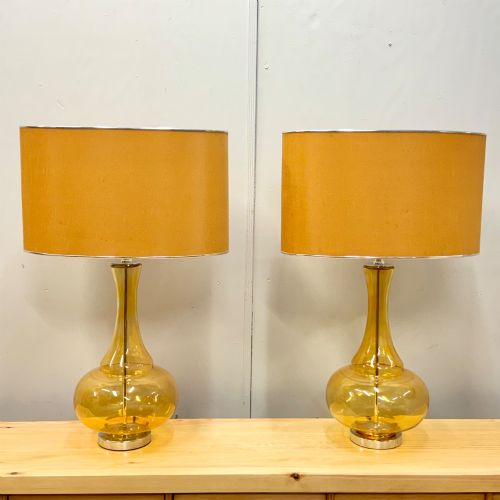
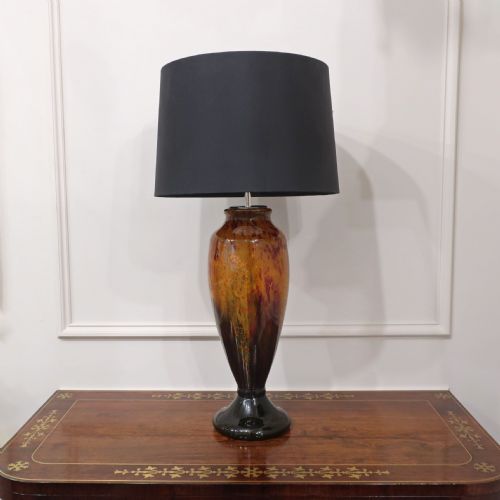
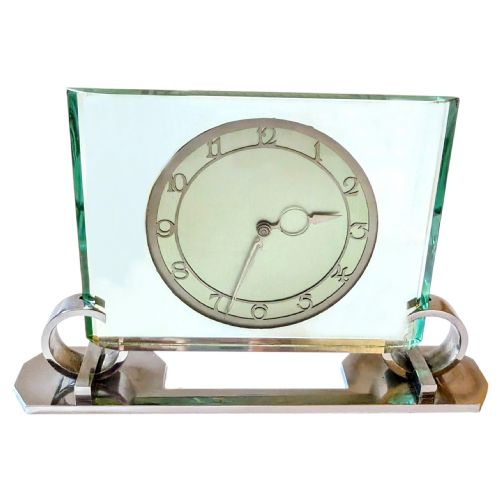


Retro Desk Glass
Retro desk glass brings together mid-century illumination and heavy twenties lighting, giving a workspace weight and shine.
Retro Desk Glass
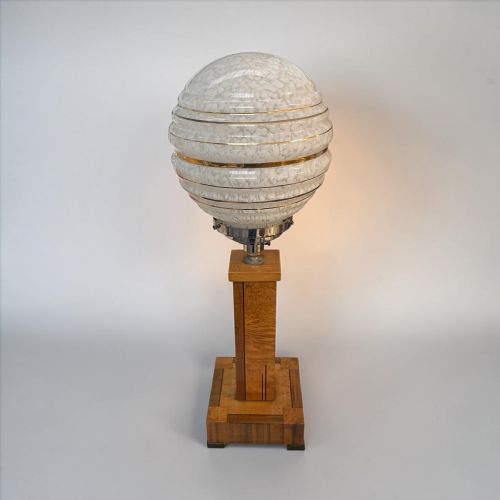
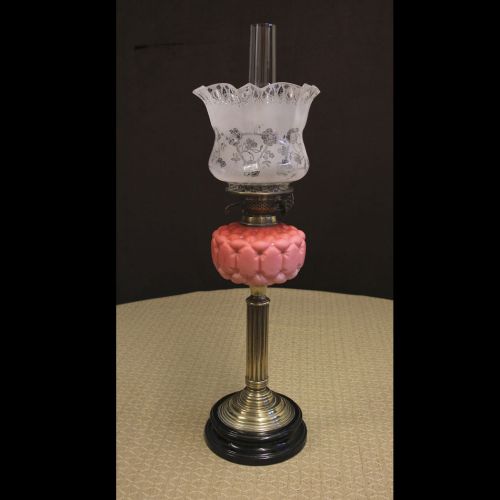
When people search for retro desk glass, they look for sturdy illumination and heavy desk objects shaped by the twentieth century. The pieces you meet on this page lean heavily toward table lamps and mantel clocks originating from the 1930s, alongside earlier nineteenth century, Victorian, and Edwardian items.
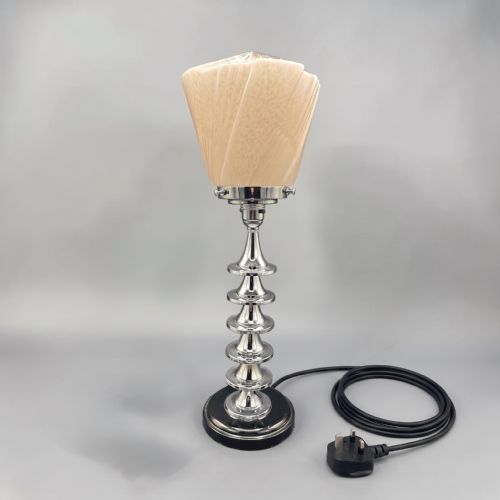
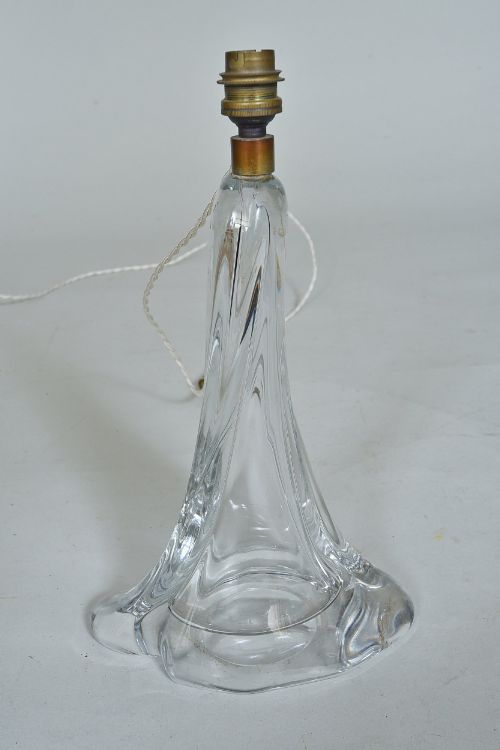
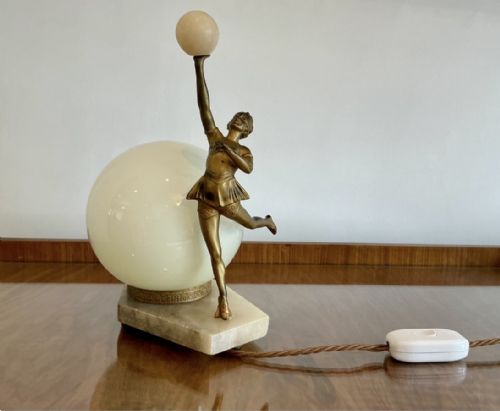
The materials span glass, brass, chrome, and opaline glass, often paired with wood or marble bases. Forms range from simple crystal lamp bodies to sculptural table lamps featuring figures like nudes or birds.
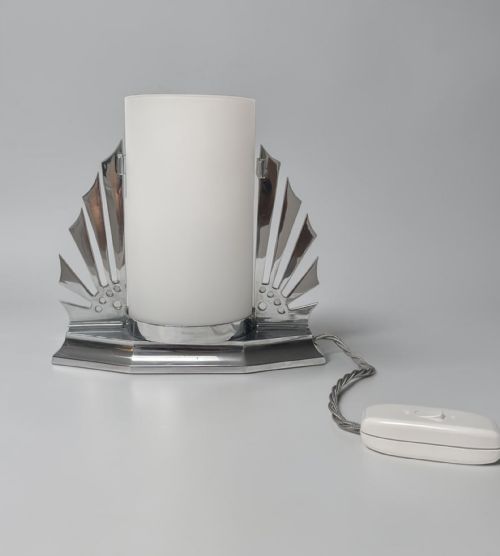
Art Deco and Modernist styles dominate the selection, bringing geometric lines and stylized metalwork to practical desk settings. You also encounter functional items like picture frames and mechanical clocks built with mirrored or chrome finishes.
How they were made
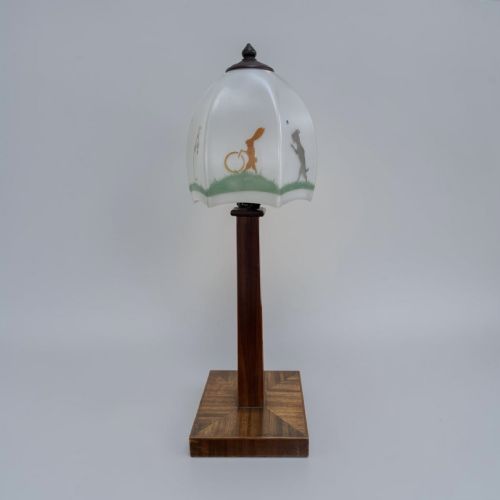
Makers combined heavy metal foundations in brass and chrome with thick moulded or crystal glass shades. Bases frequently incorporated turned wood, polished marble, or bakelite to anchor the weight of the glass components above.
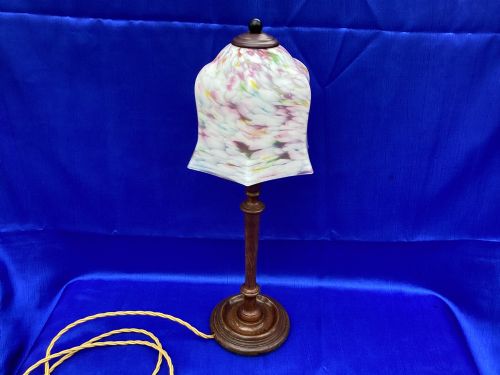
Lighting fixtures integrated electrical fittings with hand-finished metal brackets, while clock mechanisms relied on precision winding systems housed within mirrored and metallic casings. Glass parts were often mottled, frosted, or tinted in amber tones during production.
Retro Desk Glass Retail Price Guide 2026
Typical asking prices for retro desk glass among the pieces listed under this phrase on Sellingantiques today, from the lower quarter to the upper quarter. They describe what is for sale here now, not the wider market.
A seagull perched on a wave forever holds your desk in a permanent sea breeze.
What varies in quality
The distinction between standard utility items and finer examples rests in the ambition of the design and the weight of the materials. Pieces by known makers or those featuring complex figural components command attention through heavier gauge chrome, substantial brass castings, and superior glass clarity.
Simpler production pieces rely on basic metal stampings and standard clear glass without the mottled colouring or intricate moulding found on modernist and Art Deco highlights. The integration of auxiliary materials like mahogany or marble also signals a more substantial build.
Charles Schneider·Smiths Clockmakers·Karl Palda
The Retro Desk Glass Glossary
- Art Deco
- A design style emerging in the 1920s and 1930s characterised by geometric shapes, streamlined forms, and modern industrial materials. It influences many of the lamps and clocks found in this selection.
- Opaline Glass
- A pale, semi-opaque glass often tinted in white or pastel shades, frequently utilised for lampshades and diffusing bodies to soften direct bulb illumination.
- Bakelite
- An early form of synthetic plastic used extensively in the twentieth century for electrical switches, bases, and structural components due to its durability and dark lustre.
- Modernist
- A style rejecting traditional ornamentation in favour of clean lines, functional forms, and exposed structural elements like chrome and glass.
- Mantel Clock
- A clock designed to sit on a shelf or desk, often driven by mechanical wind-up movements and housed in architectural cases of glass, brass, or wood.
Retro Desk Glass: Frequently Asked Questions
What periods do these glass lamps come from?
The selection is anchored primarily in the 1930s, featuring strong Art Deco and Modernist aesthetics. You also find occasional pieces stretching back through the Edwardian and Victorian eras into the nineteenth century.
Most items reflect mid-century sensibilities, utilising the industrial techniques and glass styling typical of the interwar period.
Are these items strictly for desks?
While many pieces function well as desk accessories, the category includes mantel clocks, larger table lamps, and picture frames designed for various domestic spaces. Their scale and decorative presence suit sideboards and mantelpieces equally well.
Many lighting forms were built to provide substantial illumination wherever a heavy, decorative accent was required.
What materials are paired with the glass?
Chrome and brass provide the primary metallic structure for most twentieth-century pieces, offering reflective surfaces that complement the glass shades. Heavier bases often incorporate polished marble, oak, or mahogany.
Earlier items from the Victorian and Edwardian periods make greater use of traditional brass and opaline glass combinations.
How do I identify an Art Deco piece?
Art Deco lighting and clocks typically feature geometric motifs, zig-zag patterns, or stylized figurative elements like dancers and animals. The use of stepped bases and contrasting chrome and glass is also standard.
These designs embrace industrial progress through sleek, aerodynamic silhouettes rather than floral or ornate nineteenth-century revivals.