

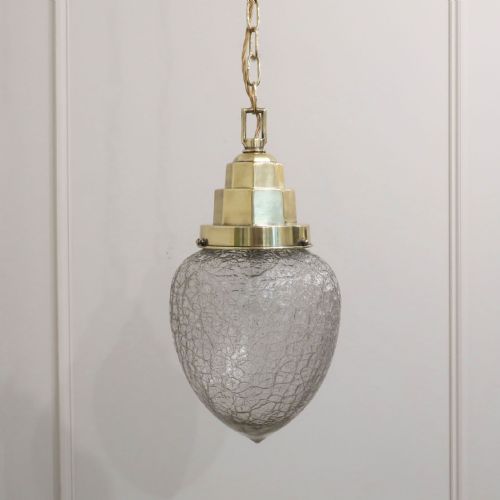
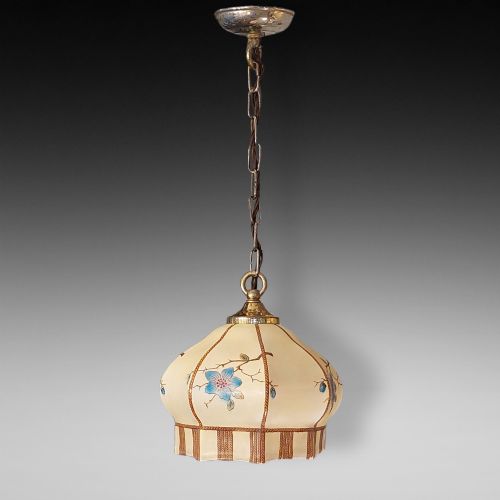
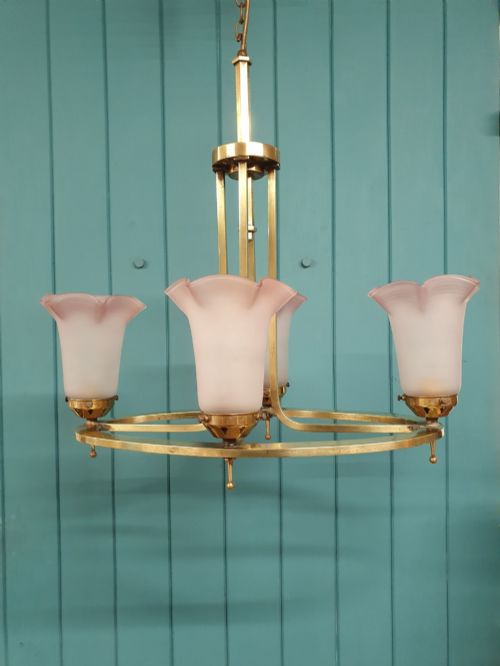

Retro Ceiling Pendant
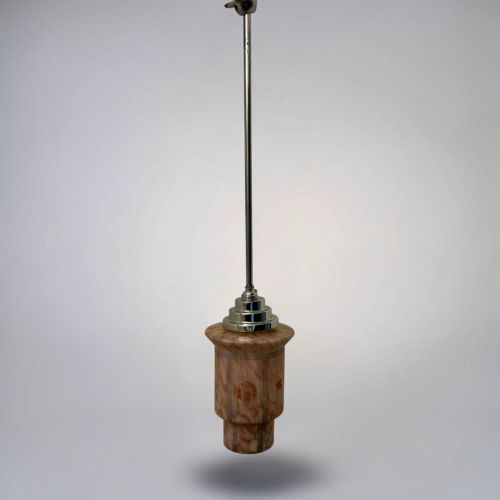
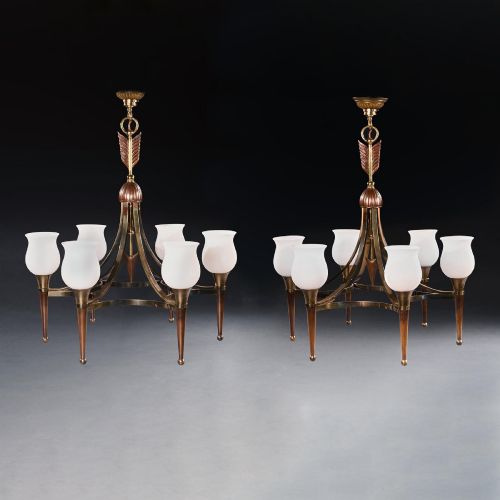
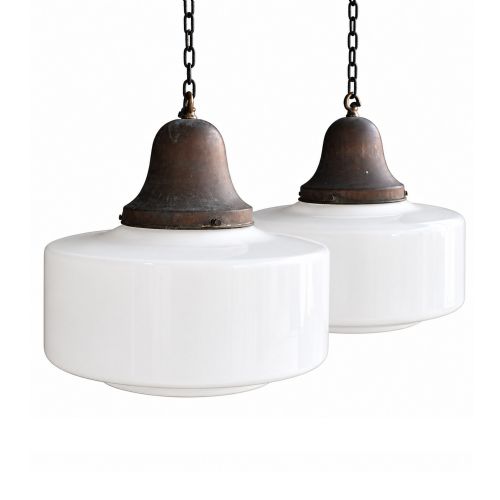
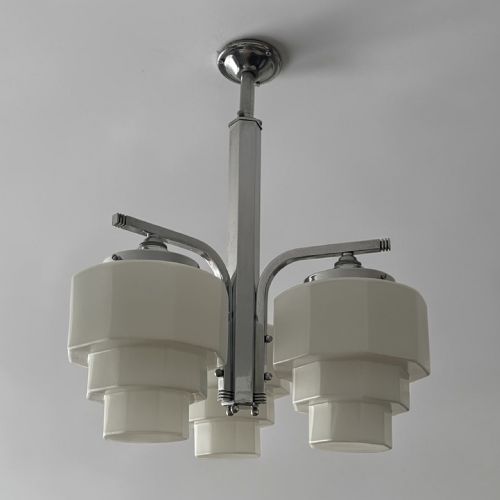
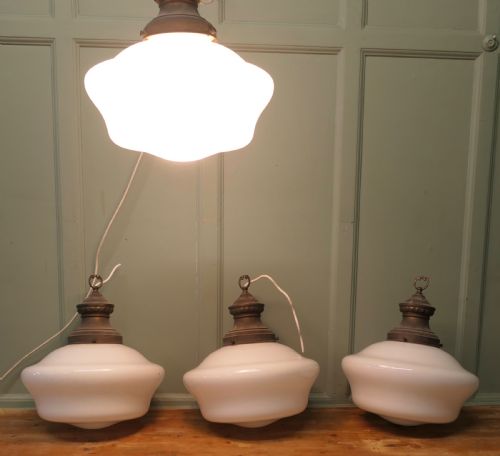
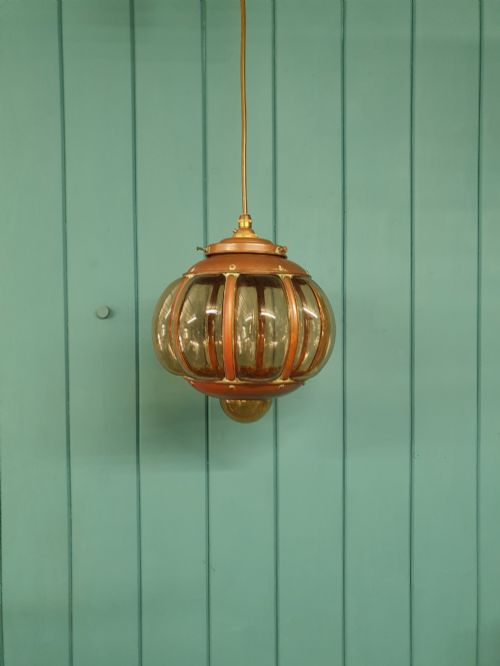
These retro ceiling pendant lights bring period character to modern interiors through glass, brass, and industrial metal.
Retro Ceiling Pendant
A retro ceiling pendant is a suspended light fitting designed to illuminate a room from above, drawing on designs from the early twentieth century. When searching for a retro ceiling pendant, buyers encounter various forms including single drop shades, multi-light chandeliers, and industrial factory fittings.
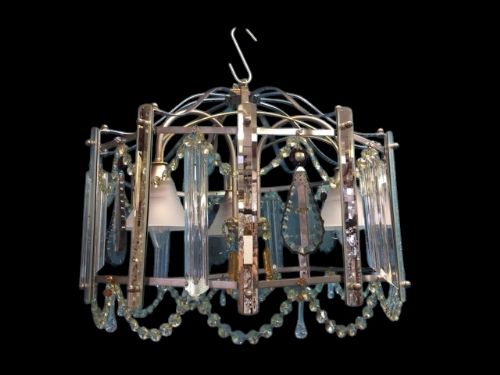
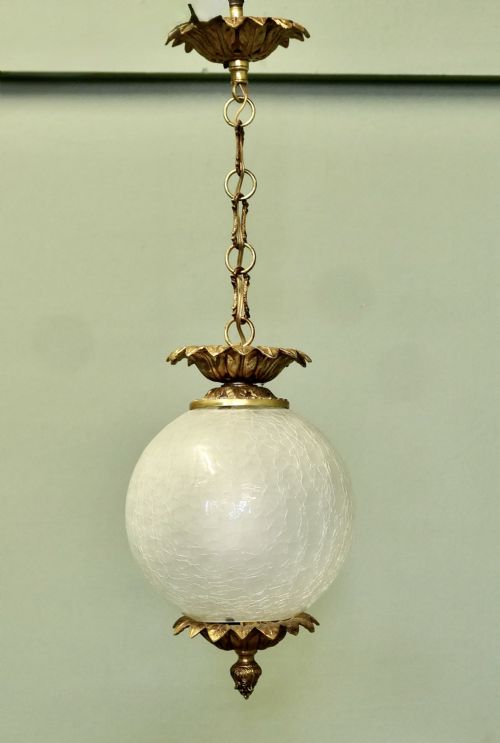
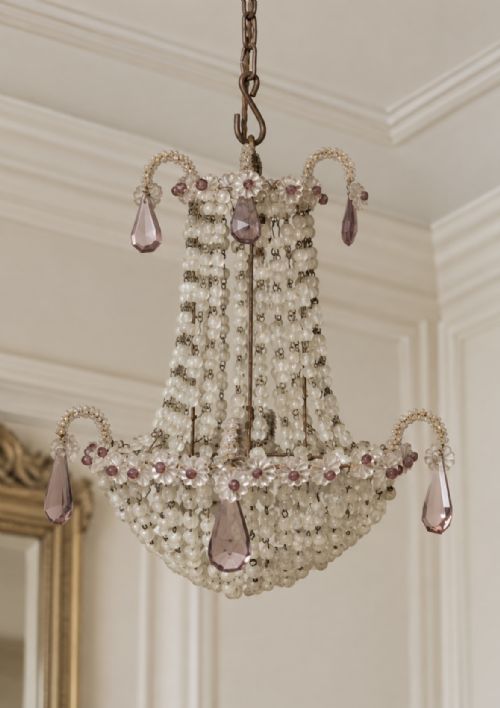
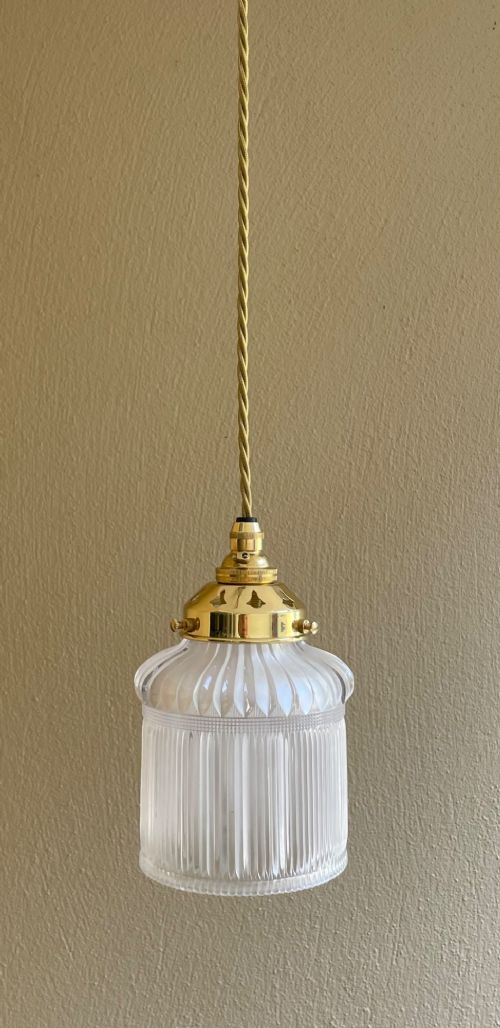
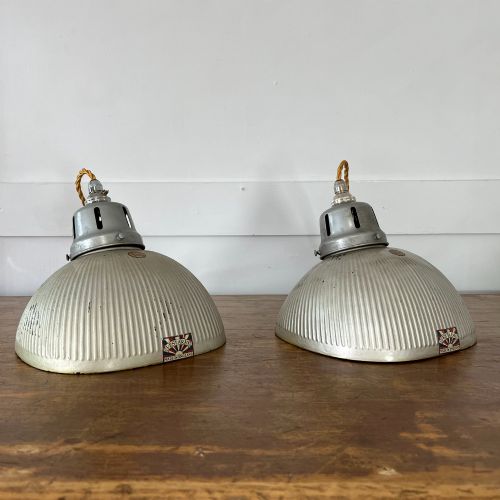
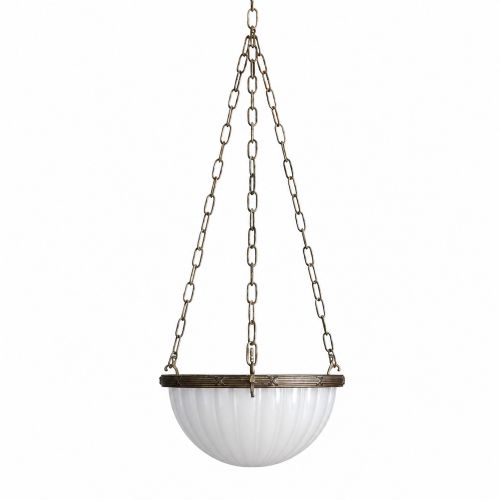
The selections span distinct historical periods, most notably the 1920s and 1930s, alongside Edwardian and Victorian examples. Common formats include opaline glass globes, brass chandeliers, and ribbed glass shades intended for functional or decorative illumination.
Origin and regional style also define the available selection, ranging from English factory lights to French glass fixtures and Italian chandeliers. These pieces operate as both central overhead illumination and focused task lighting depending on their original application.
What varies in quality
Quality rests in the weight and substance of the materials, from heavy cast brass galleries to thick, uniform opaline or moulded glass shades. Finer examples display deliberate attention to metal finishing and glass clarity rather than hurried mass production.
Design integrity separates standard utility items from exceptional pieces, particularly where decorative hardware, intricate mouldings, or signed glass components are present. The harmony between the original suspension hardware and the shade determines the coherence of the object.
Retro Ceiling Pendant Retail Price Guide 2026
Typical asking prices for retro ceiling pendant among the pieces listed under this phrase on Sellingantiques today, from the lower quarter to the upper quarter. They describe what is for sale here now, not the wider market.
Some fixtures preserve the faint smell of old factory grease and decades of workshop smoke beneath their brass galleries.
VESTARAY·Jefferson·Holophane·Jean Gauthier
The Retro Ceiling Pendant Glossary
- Plafonnier
- A ceiling-mounted light fixture that sits close to the surface rather than hanging low on a long chain or cord. This style suits rooms with lower ceiling heights.
- Opaline glass
- A milky, translucent glass created by adding bone ash or other agents to the molten mixture to diffuse glare. It appears frequently in twentieth-century lighting.
- Gallery
- The metal collar or mount that grips the upper rim of a glass lampshade and connects it to the suspension rod or chain. It provides both structural support and aesthetic framing.
- Prism
- A cut glass or crystal pendant used to refract light across a room. These elements are common on Edwardian and early twentieth-century chandeliers.
- Holophane
- A brand of scientific prismatic glass designed to direct and diffuse light efficiently. These ribbed shades became staples of industrial and commercial lighting.
Retro Ceiling Pendant: Frequently Asked Questions
How do I hang a vintage pendant safely?
Vintage pendants require mounting to a secure ceiling joist or structural noggin capable of supporting the combined weight of the metal gallery and glass shade. Modern electrical wiring must be connected to the existing circuit by a qualified professional to ensure safety.
Old chains and brass rods generally accept standard modern wiring conduits inside their hollow cores. Check that the ceiling rose and hanging hook match the drop length required for your room proportions.
Can I clean antique glass shades easily?
Most glass shades detach from their metal galleries by loosening thumb screws or fitter screws. Wash them gently in warm soapy water using a soft cloth to avoid scratching fragile surfaces or old paint.
Avoid submerging metal components that retain historic lacquers or delicate patinas in water. A dry brush or slightly damp cloth preserves the original finish on brass and copper fittings.
What rooms suit an industrial factory light?
Industrial metal pendants provide direct downlighting that works well over kitchen islands, dining tables, and workspaces. Their robust construction contrasts effectively with domestic interior plasterwork and wooden flooring.
Consider the diameter of the shade relative to the surface below to ensure adequate light coverage. Smaller domes suit hallways, while wider copper or enamel shades anchor larger open spaces.