




Retro Brass Table Lamp
A retro brass table lamp brings weight and character to a room, combining metallic warmth with utilitarian function.
Retro Brass Table Lamp
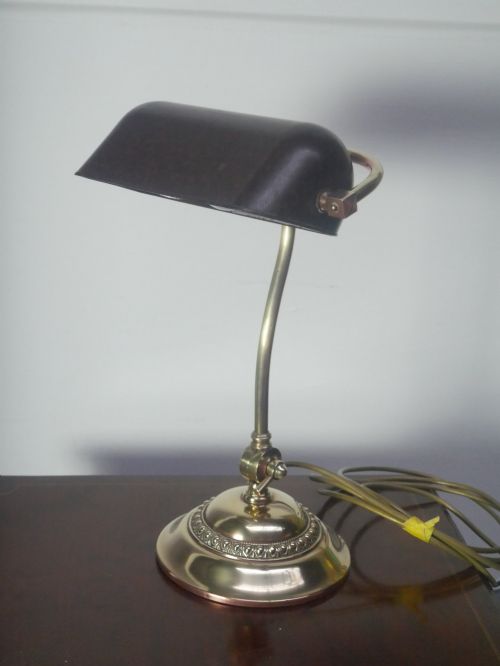
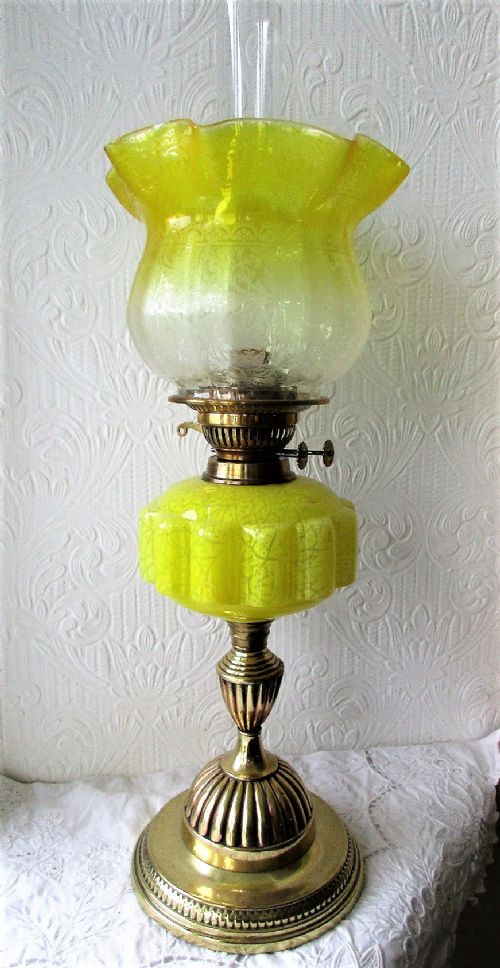
A retro brass table lamp encompasses a broad span of domestic lighting from the nineteenth century through the mid-twentieth century, with the 1920s and 1930s providing the strongest representation on this page. These pieces include adjustable bankers lamps, converted oil lamps, and distinct modernist designs that reflect the domestic habits of earlier decades.
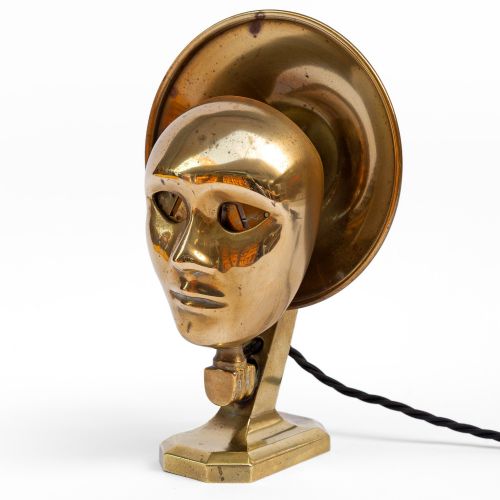
Forms vary widely from practical desk lamps and flexible task lighting to decorative figural pieces featuring dogs, seagulls, and shell-shaped bases. Many items bridge the transition from period oil burners to electrical power, carrying the physical markers of their original domestic purpose.
Materials and construction
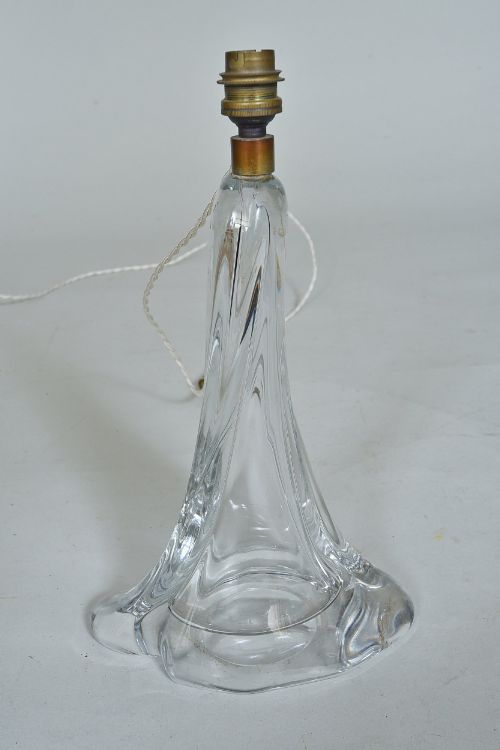
Brass forms the structural core of these pieces, often paired with copper, bronze, or cast metal to provide weight and stability at the base. Glass is integrated extensively, utilising opaline white glass, frosted shades, and crystal components to diffuse the light.
Surface treatments and assembly techniques reflect the period of origin, ranging from hand-painted faience and porcelain details to adjustable metal joints and converted fluid reservoirs.
Retro Brass Table Lamp Retail Price Guide 2026
Typical asking prices for retro brass table lamp among the pieces listed under this phrase on Sellingantiques today, from the lower quarter to the upper quarter. They describe what is for sale here now, not the wider market.
A cast metal dog and a coastal seagull on a wave quietly hold watch among the standard desk lamps.
Distinguishing quality across the range
Quality in these lamps rests on the heft of the metalwork, the integrity of the casting, and the proportion of the components. Heavier brass builds and solid marble or bronze integrations suggest superior manufacture compared to lighter, purely decorative alternatives.
The sophistication of the period style - such as clean modernist lines or detailed Art Deco figural casting - dictates the visual authority of the piece within its historical category.
The Retro Brass Table Lamp Glossary
- Opaline glass
- A milky, semi-translucent glass popular in nineteenth and early twentieth-century lighting. It diffuses light evenly while adding a soft tonal quality to the shade or body.
- Art Deco
- A design style dominant in the 1920s and 1930s characterised by geometric symmetry, streamlined shapes, and stylised motifs like shells and waves.
- Converted oil lamp
- A historic lighting vessel originally designed for paraffin or oil that has been adapted for modern electrical wiring. These pieces retain their original fuel reservoirs and burners as decorative elements.
- Pricket lamp
- A form featuring a central spiked point, or pricket, historically used to secure a candle before being adapted into electrical table lighting configurations.
Retro Brass Table Lamp: Frequently Asked Questions
How do I date a brass table lamp?
Dating relies on stylistic markers, such as the geometric lines typical of 1930s pieces or the ornate casting found in Victorian examples. Structural clues like screw types and conversion methods also indicate the era of manufacture.
Examining the combination of materials, such as opaline glass paired with brass, helps place the lamp within its broader historical period.
Are these lamps safe to use today?
Many older pieces arrive rewired or require professional rewiring to meet current electrical standards. Converted oil lamps and vintage desk fixtures should be checked by a qualified electrician before daily use.
Retaining original shades or switches is common, but internal wiring is typically updated for safety.
What is an opaline glass shade?
Opaline glass is a translucent, milky material designed to soften the glare of a bulb. It appeared frequently on Edwardian and Art Deco lamps to create an ambient, diffused glow.
The glass can be found in plain white or tinted varieties paired with brass and copper frames.
How do I clean antique brass?
Antique brass benefits from gentle dusting with a soft dry cloth to preserve its natural patina. Aggressive polishing can strip away the aged surface that collectors value.
Maintaining the metal involves avoiding harsh chemical cleaners that damage the historic finish.