


Retro Brass Lamps
Retro brass lamps bring warm metallic weight and distinct period form into a room, spanning styles from the heavy utility of the nineteenth century to the clean geometries of the mid-twentieth.
Retro Brass Lamps
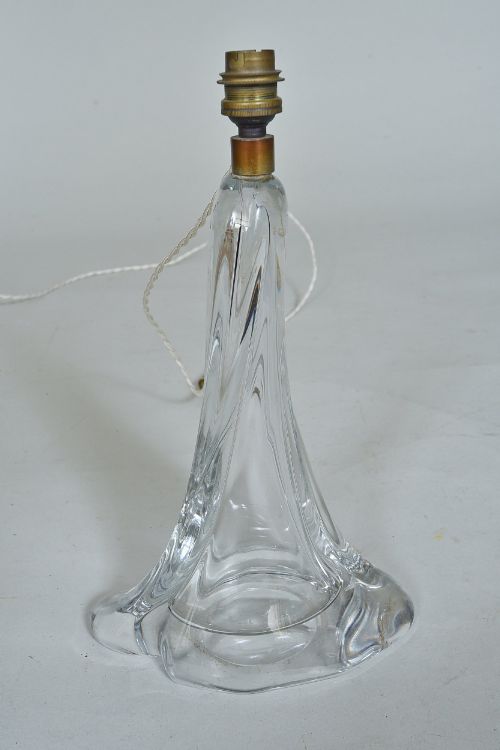
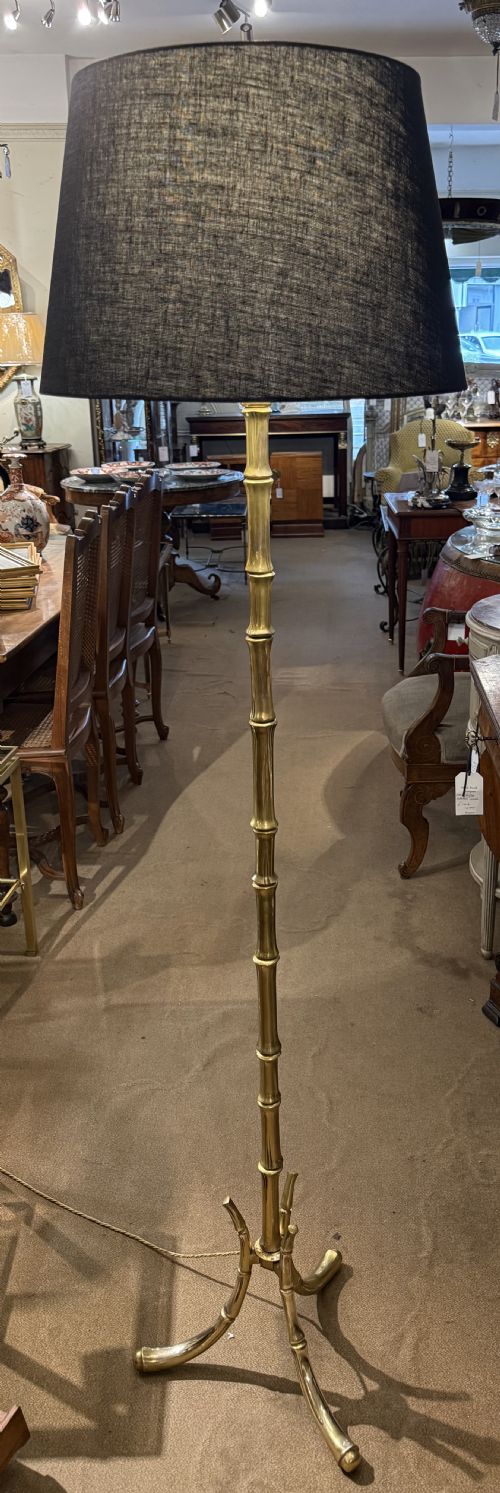
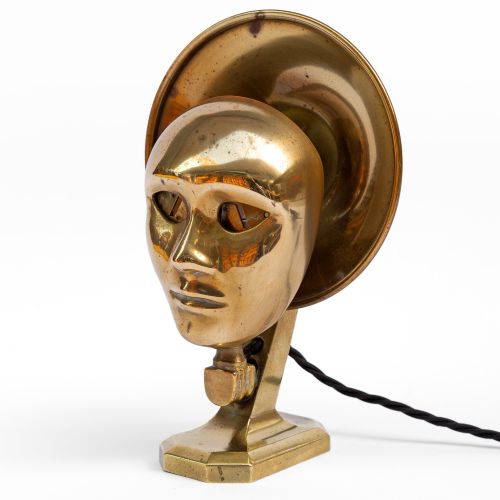
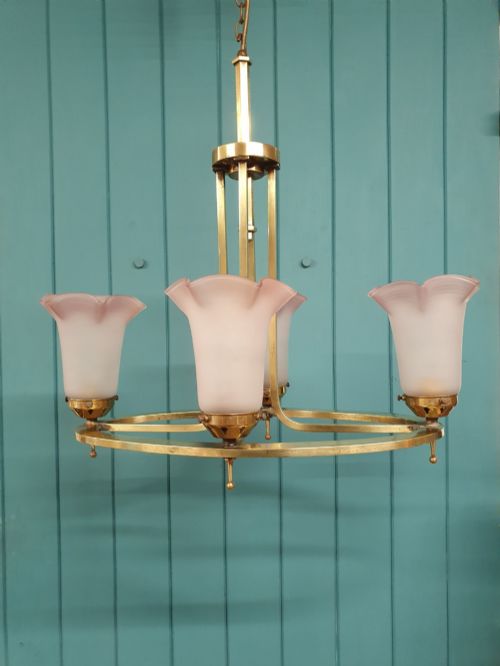
When you search for retro brass lamps, you encounter a diverse mix of lighting that draws heavily on the design vocabulary of the 1920s and 1930s. These pieces include table lamps, floor standards, chandeliers, and industrial pendants utilising brass alongside glass and fabric.
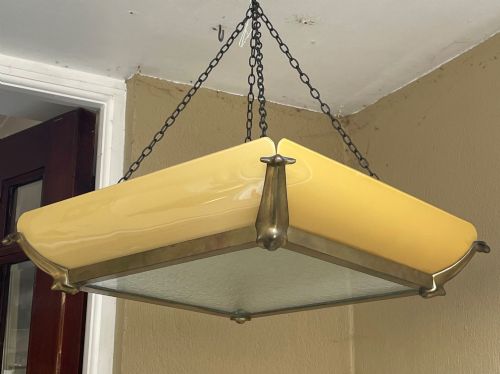
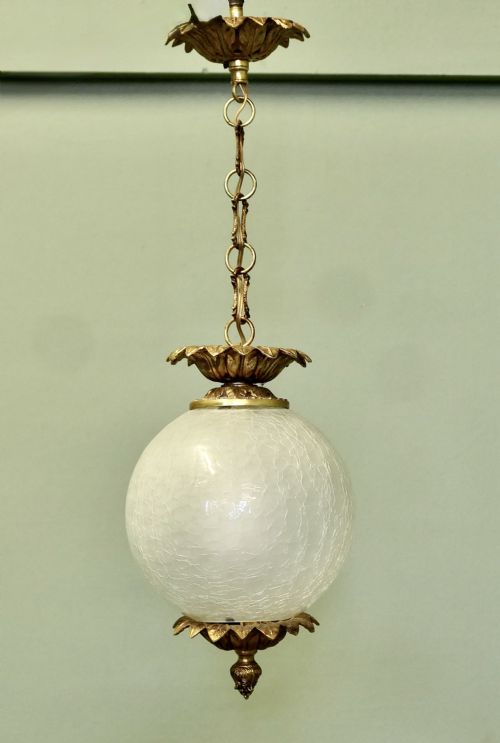
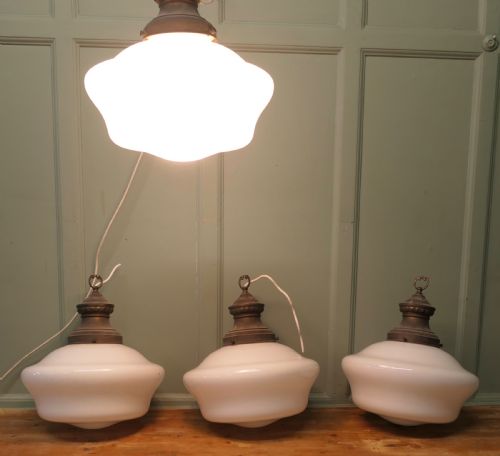
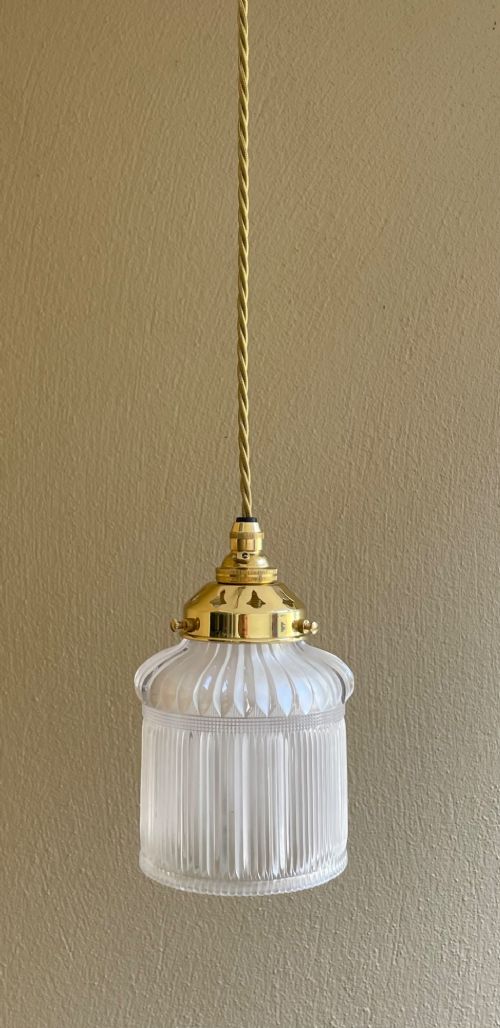
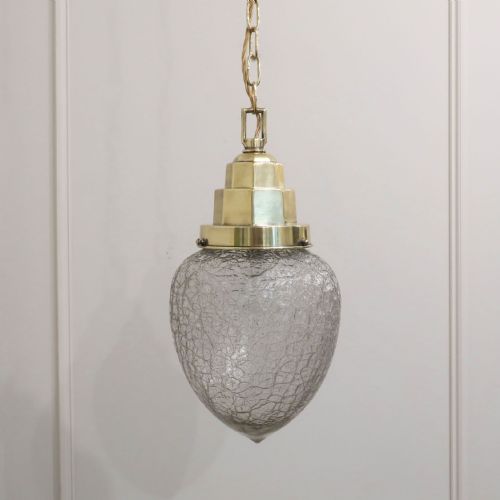
The selections on this page lean heavily into the Art Deco period, alongside Edwardian, Victorian, and mid-century examples. You will frequently find desk lamps, wall lights, and hanging pendants that combine metalwork with opaline or crackle glass shades.
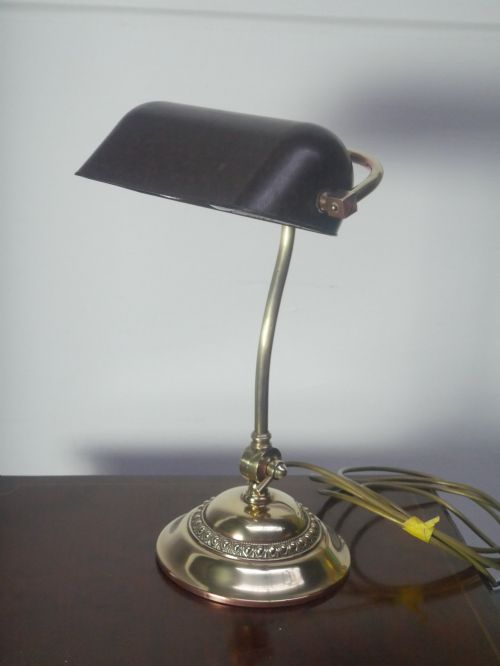
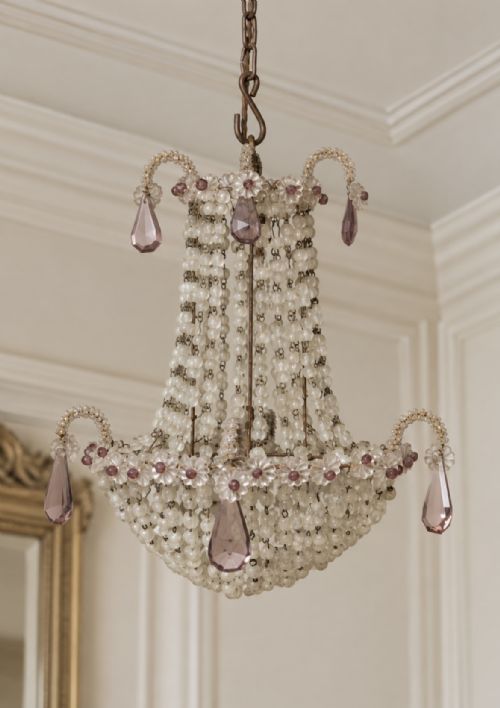
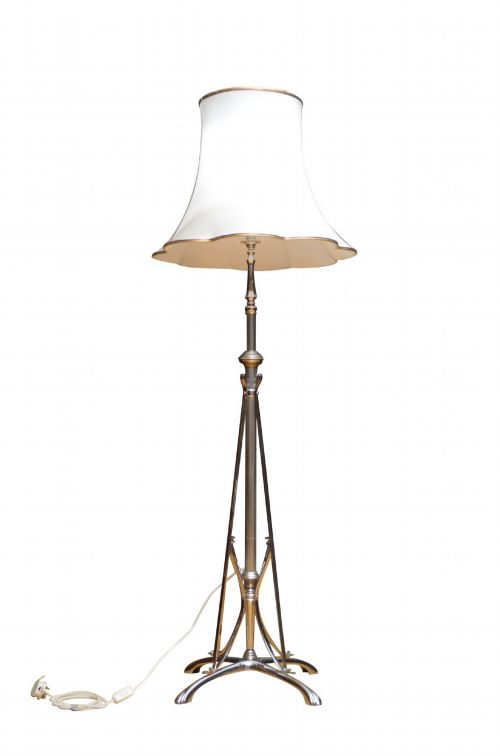
Forms range from adjustable bankers lamps and flexible reading lights to grand Italian chandeliers and French boudoir lamps. The collection reflects a period when lighting transitioned from functional oil burning to sophisticated domestic electricity.
Materials and Construction
The primary material foundation relies on solid and plated brass, often paired with copper, chrome, and occasional mahogany or marble elements. Metal components are cast, spun, or hammered to create structural bases, heavy oil reservoirs, and articulated arms.
Retro Brass Lamps Retail Price Guide 2026
Typical asking prices for retro brass lamps among the pieces listed under this phrase on Sellingantiques today, from the lower quarter to the upper quarter. They describe what is for sale here now, not the wider market.
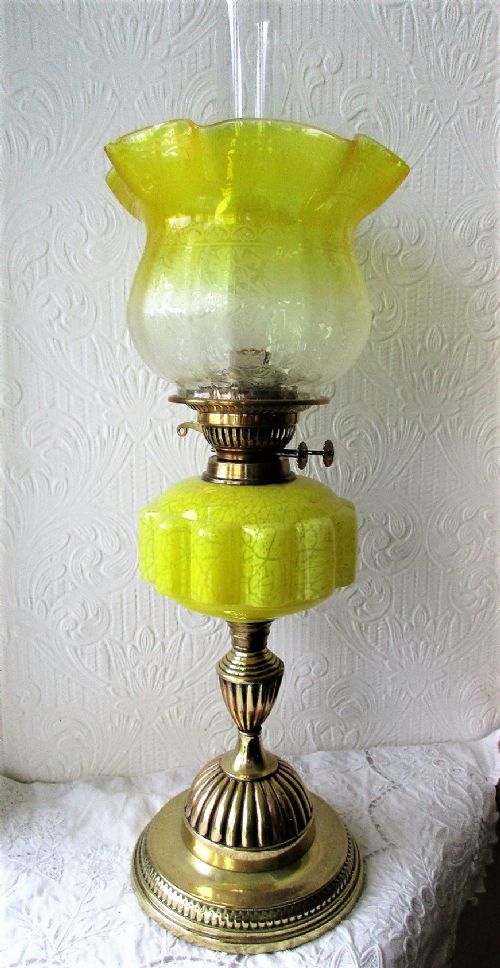
Among the heavy brass and glass, a porcelain owl oil lamp waits quietly to illuminate the room.
Assessing Quality
Quality in these luminaires rests upon the substance of the casting and the integrity of the original components rather than mere surface shine. Heavy brass construction and substantial gauge metalwork distinguish superior floor and table models from lighter alternatives.
The integration of glass shades, whether moulded opaline or delicate hand-painted variants, dictates the refinement of the piece. Matching sets, intact period prisms, and original flexible joints elevate the standing of a lamp within its era.
Maison Bagues·Rene Mathieu·Holophane·Jefferson
The Retro Brass Lamps Glossary
- Opaline glass
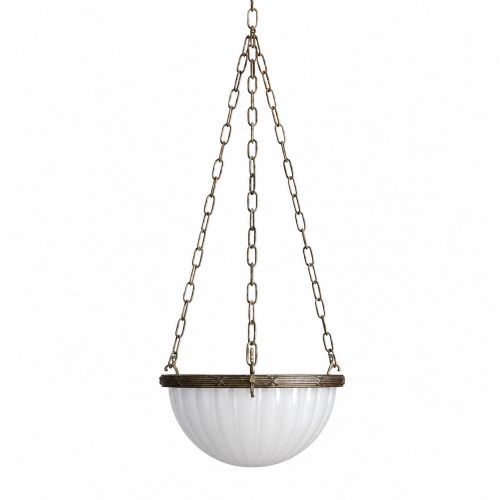
- A milky, semi-translucent glass that diffuses light softly, often found in white or pastel shades on twentieth-century pendants. This material became popular for commercial and domestic lighting because it reduced glare while maintaining high light transmission.
- Plafonnier
- A ceiling-mounted light fixture designed to sit close to the surface, frequently featuring decorative brass mounts and glass bowls. These fixtures suit rooms with lower ceilings where hanging pendants prove impractical.
- Bankers lamp
- A traditional desk light characterised by a brass base and a green or white glass shade designed to reduce eye strain. Early versions often utilised adjustable arms to direct illumination precisely where required.
- Oil lamp
- A lighting device utilising a wick and a reservoir filled with combustible fuel, common in Victorian and nineteenth-century interiors before widespread electrification. Many surviving examples later undergo conversion to electrical wiring.
- Art Deco
- A design style spanning the 1920s and 1930s defined by streamlined geometries, symmetry, and stylised motifs. Lighting from this movement frequently employs stepped brass frames and geometric glass shades.
Retro Brass Lamps: Frequently Asked Questions
How do I date a brass desk lamp?
Dating relies on mechanical details like flexible tubing, toggle switches, and the weight of the cast brass base. Art Deco and 1920s models often feature stepped geometric motifs and specific shade fittings.
Examine the wiring entry points and the construction of the shade holder. Older Victorian and Edwardian examples show heavier cast components and manual threading compared to later mid-century production.
Are these lamps safe for modern electrical use?
Many vintage and antique fixtures require professional rewiring to meet current electrical safety standards. Dealers frequently note whether a piece has been rewired for contemporary use.
Original brass lamp bodies and sockets can usually accommodate modern flex and safety earth connections. An electrician can easily update internal components while preserving the exterior aesthetic.
What is an opaline glass shade?
Opaline glass is a translucent, milky material developed to soften harsh bulb glare while casting an even, warm glow. It appears frequently on pendant and table lighting from the early twentieth century.
These shades come in conical, pear-shaped, and spherical forms. They pair naturally with brass hardware to create a balanced industrial or domestic look.
Can I use standard bulbs in antique lamps?
Most converted vintage lamps accept modern screw or bayonet bulbs, provided the internal holder matches current sizing. LED bulbs work particularly well because they generate minimal heat.
Check the maximum wattage recommendations, especially when pairing bulbs with enclosed glass globes or delicate fabric shades. Lower wattage bulbs also help preserve original nineteenth-century and vintage components.