

Retro Blue Jewellery
Retro blue jewellery brings together mid-century stones and precious metals, offering striking statement pieces for everyday wear.
Retro Blue Jewellery
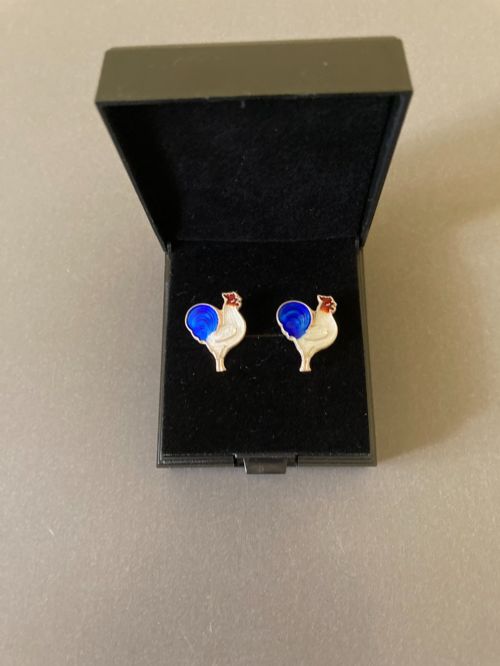
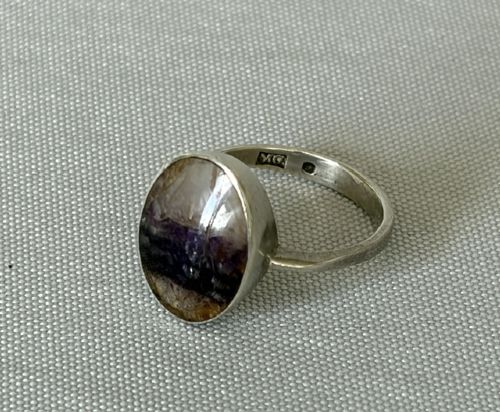
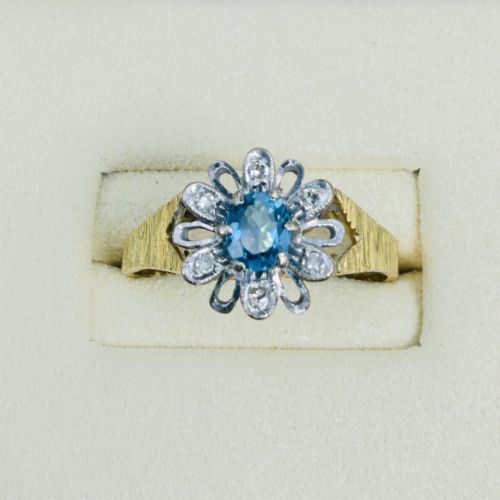
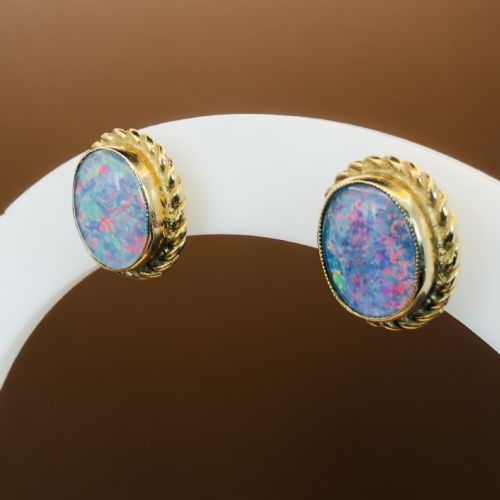
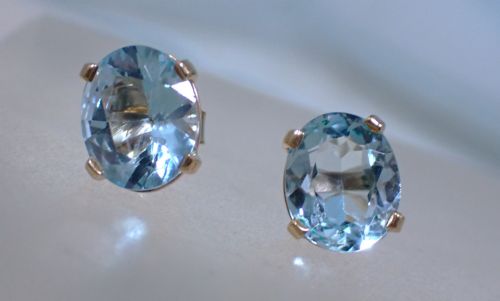
Retro blue jewellery covers items originating predominantly from the mid-twentieth century, including the 1940s, 1950s, and 1960s. Pieces span various forms such as rings, earrings, bracelets, brooches, necklaces, and cufflinks. Buyers exploring this category encounter designs influenced by mid-century styles and earlier art deco aesthetics.
Materials and construction methods
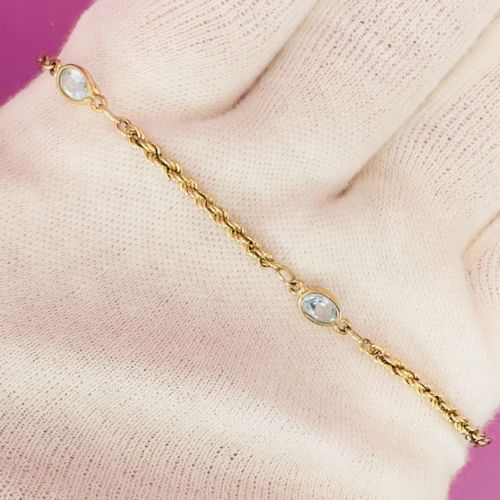
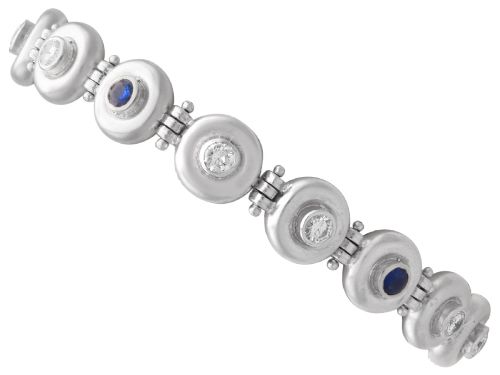
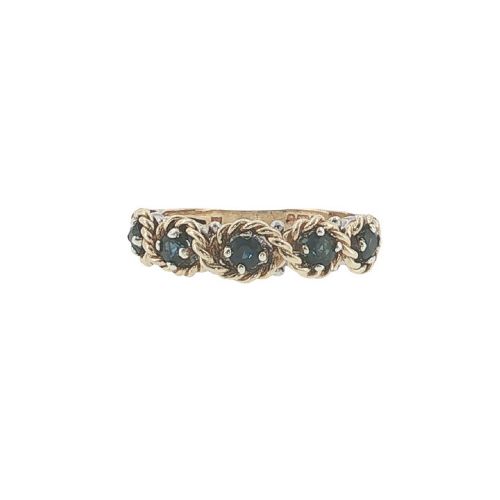
Goldsmiths utilised platinum, 18ct white and yellow gold, 14ct gold, and 9ct gold to mount significant gemstone carat weights. Silver and silver gilt frequently support decorative enamel work and gemstone beads. Metal choices often dictate the era, with white metals and yellow gold prevailing in mid-century workshops.
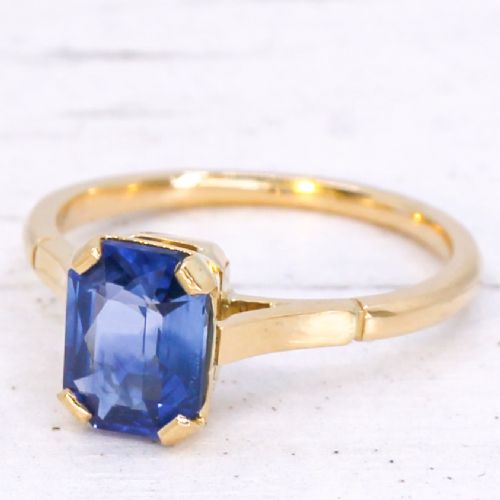
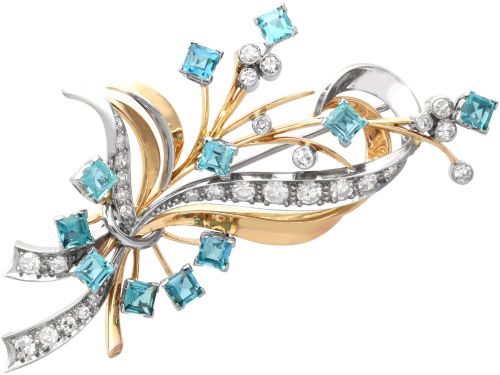
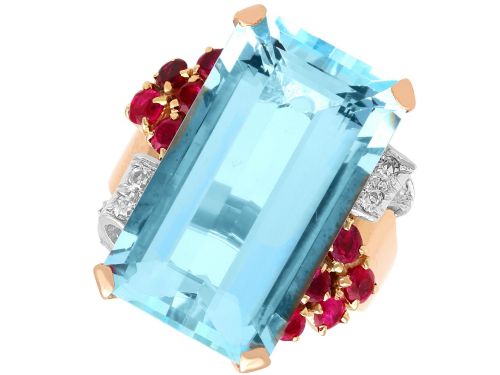
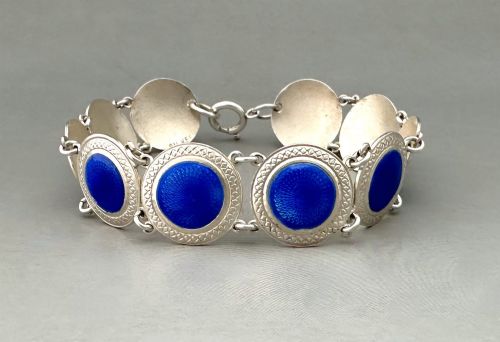
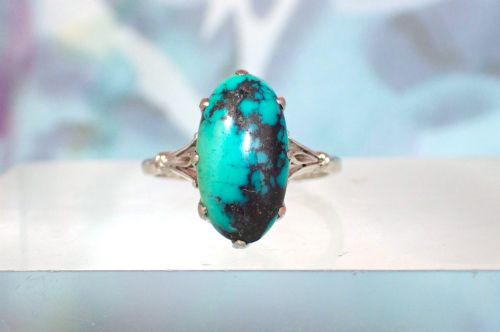
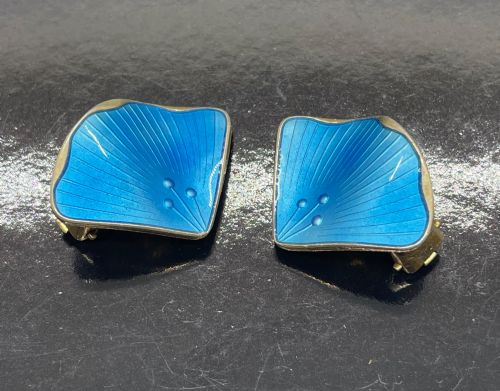
Gemstones receive traditional cutting techniques, including cabochon stones, emerald cuts, and round solitaires. Enamelling techniques such as guilloche add colourful blue patterns to silver bases. Stone settings incorporate secure claw mounts, intricate cluster arrangements, and spray brooch frameworks.
Retro Blue Jewellery Retail Price Guide 2026
Typical asking prices for retro blue jewellery among the pieces listed under this phrase on Sellingantiques today, from the lower quarter to the upper quarter. They describe what is for sale here now, not the wider market.
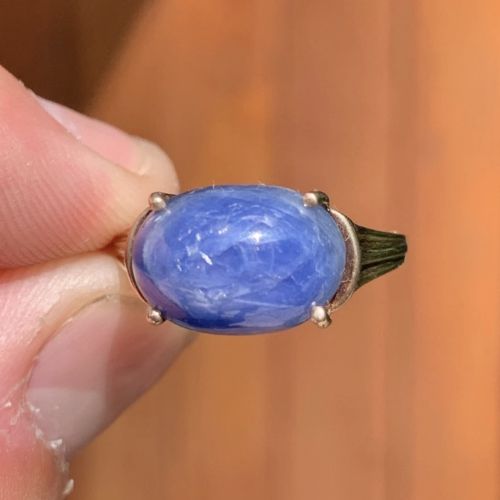
Current listings feature aquamarines exceeding thirty carats alongside high-carat Ceylon sapphires set in platinum and 18ct white gold.
Factors determining quality
Quality rests significantly on the scale and natural origin of the central blue stones, particularly high-carat aquamarines and sapphires. Exceptional pieces display superior colour saturation, clarity, and stone weight, such as large star sapphires or substantial blue topaz. The presence of supporting diamonds and platinum or high-grade gold settings elevates the calibre of an item.
Execution and preservation of delicate decorative elements also define the standard. Intricate guilloche enamel work, well-preserved silver gilt, and balanced floral or geometric metal designs indicate superior craftsmanship. Maker attribution, visible in select signed pieces, further distinguishes the upper tier of the range.
Kutchinsky
The Retro Blue Jewellery Glossary
- Cabochon
- A gemstone shaped and polished with a smooth convex surface rather than faceted. This style highlights the deep colour of stones like sapphires and opals.
- Guilloche
- An ornamental engraving technique where a precise mechanical pattern is etched into a metal base. Translucent enamel is then applied over the metal to create vibrant blue decorative surfaces.
- Cluster ring
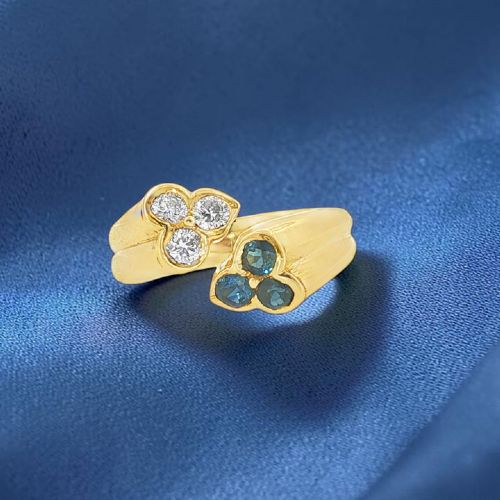
- A ring design featuring a central gemstone surrounded by a group of smaller stones, typically diamonds. This arrangement maximises visual impact and sparkle.
- Solitaire
- A piece of jewellery featuring a single gemstone as the primary focal point. It isolates the colour and quality of stones such as aquamarine or sapphire.
Retro Blue Jewellery: Frequently Asked Questions
What periods do these pieces date from?
The inventory spans the mid-twentieth century, with particular emphasis on the 1940s, 1950s, and 1960s. Earlier art deco designs and later vintage examples from the 1970s also appear.
Craftsmanship from these decades reflects shifting metal preferences, moving from platinum and yellow gold toward white gold and silver.
Which blue stones are most common?
Sapphire and aquamarine appear most frequently, spanning a wide range of carat weights and cuts. Additional blue materials include turquoise, blue topaz, lapis lazuli, zircon, and enamel.
These stones are typically paired with diamonds, rubies, and yellow or white gold settings.
How do I care for enamel jewellery?
Enamel consists of fused glass powder and requires gentle handling to prevent chipping or scratching. Store pieces individually away from harder metals and gemstones.
Clean surfaces carefully with a soft cloth and avoid harsh chemical dips or ultrasonic cleaners.
Are these items suitable for daily wear?
Many items, particularly robust rings and secure earrings, suit regular rotation with appropriate care. High-carat gemstone rings and delicate brooches benefit from mindful wear during active tasks.
Checking stone settings periodically helps secure the gems within their original mounts.