







Retro Abstract Art
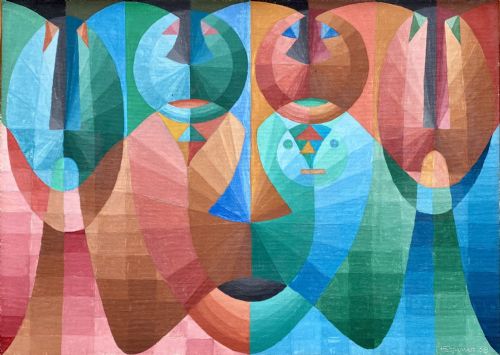
Retro abstract art brings mid-century energy to your walls through bold brushwork, flat planes of colour, and modernist compositions.
Retro Abstract Art
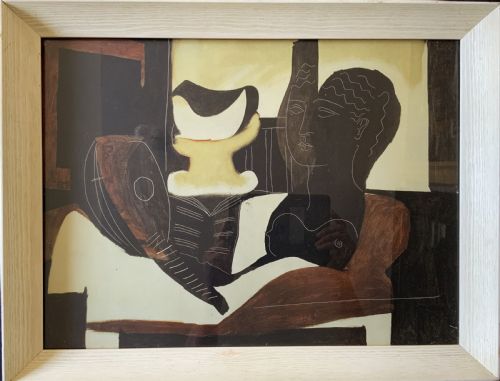
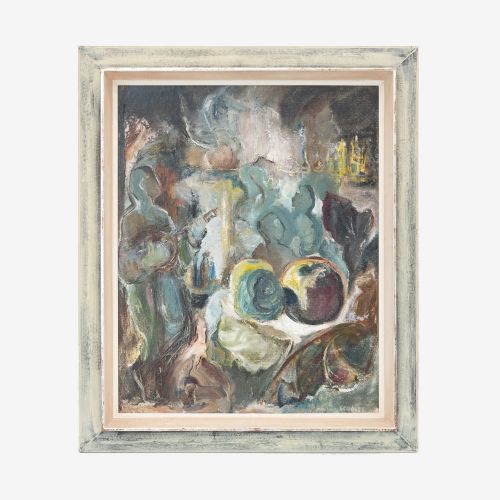
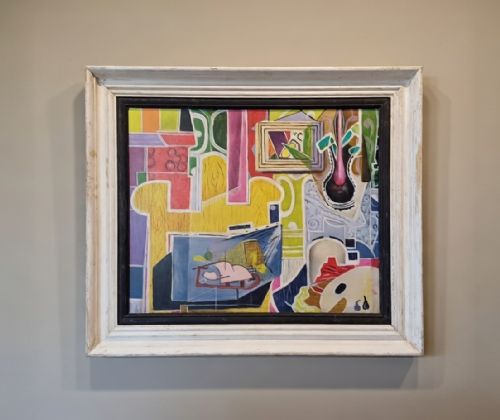
Retro abstract art encompasses original paintings, oil on board, and framed art prints created during the mid-century modern period, alongside pieces drawing on earlier twentieth-century movements. Buyers seeking retro abstract art encounter cityscapes, landscapes, still life arrangements, and geometric compositions that reject traditional realism in favour of expressive form.
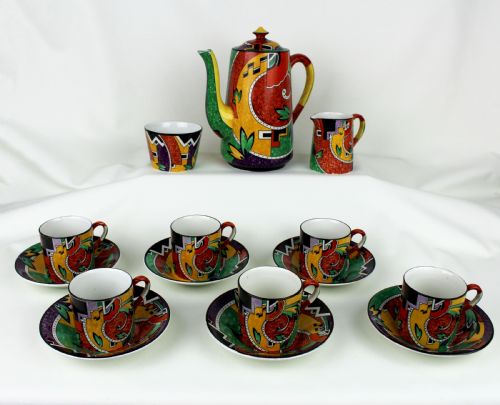
The objects span varied formats, from large oil paintings on canvas to mixed media works, gouache, and woodcuts. Alongside wall art, the selection includes related items such as coffee sets reflecting the aesthetic of the period.
What varies in quality
Quality rests upon the strength of the composition, the handling of medium, and the clarity of the artistic vision. Works demonstrating confident brushwork, dynamic spatial arrangements, and deliberate colour harmony distinguish themselves from simpler decorative items.
The distinctiveness of the modernist or expressionist vocabulary dictates the impact of each piece. Stronger examples display an assured mastery of form and surface texture that commands the eye.
Retro Abstract Art Retail Price Guide 2026
Typical asking prices for retro abstract art among the pieces listed under this phrase on Sellingantiques today, from the lower quarter to the upper quarter. They describe what is for sale here now, not the wider market.
A fierce German expressionist lion named Astra glares from a mid-century woodcut.
Pablo Picasso·Lilian Colbourn·Tony Giles·Lester Epstein·Rowland Fade·William Ernst Burwell
The Retro Abstract Art Glossary
- Impasto
- Paint applied thickly to a canvas or board, leaving visible brush or palette knife marks that stand proud of the surface. This technique adds tactile depth and catches light across the composition.
- Mid-Century Modern
- A design movement spanning the middle decades of the twentieth century, prioritising clean lines, abstraction, and functional forms. It embraces materials like wood, canvas, and oil paint.
- Op Art
- A style of visual art that uses optical illusions, employing stark geometric patterns and contrasting colours to create a sense of movement or vibration. Works in this vein rely on precision and geometry.
- Woodcut
- A relief printing technique where an image is carved into a block of wood, leaving the printing parts raised. Ink is applied to these ridges and transferred to paper under pressure.
- Gouache
- An opaque water-based paint that dries to a matte finish, offering solid blocks of colour and smooth gradients. Artists employ it on paper for vibrant and immediate results.
Retro Abstract Art: Frequently Asked Questions
What is retro abstract art?
Retro abstract art encompasses paintings, prints, and mixed media works from the mid-century period that break away from traditional representation. These pieces focus on colour, form, and texture rather than literal depiction.
The category spans energetic cityscapes, geometric op art, and expressive landscapes created across the nineteen fifties and sixties.
How do I hang large abstract art?
Large paintings on canvas or board require secure wall fixings suited to their weight and frame construction. Position the centre of the artwork at eye level to anchor the surrounding room.
Allow sufficient wall space around the piece so the bold colours and brushwork can dominate the field of vision without crowding.
What materials were used?
Artists utilised oil paint on canvas, board, and panel, frequently building heavy textures with impasto. Other works employ gouache on paper, mixed media, and multi-coloured woodcuts.
Frames incorporate wood surrounds that complement the mid-century aesthetic of the paintings within.
How do I date these pieces?
Dating relies on stylistic markers associated with mid-century modernism, German expressionism, and art deco, alongside dates inscribed by the artists. The presence of specific movements like op art or brutalism points towards the nineteen fifties and sixties.
Signatures, stamps from galleries such as Pallas Gallery in London, and biographical details of makers help establish precise creation years.