



Restored Seating
Restored antique seating brings together centuries of craftsmanship and revived upholstery, offering both practical comfort and historic character to any interior.
Restored Seating
Restored antique seating encompasses a diverse range of historic chairs, sofas, and benches that have been carefully brought back to functional and aesthetic life. When exploring restored antique seating, buyers encounter pieces spanning the nineteenth century through the art deco era, each reflecting the domestic habits of its original period.
Originating predominantly from Victorian and Edwardian workshops, these items range from intimate dressing table stools to grand sets of dining chairs. Each piece retains its architectural skeleton while benefiting from renewed coverings and structural consolidation.
Materials and Construction
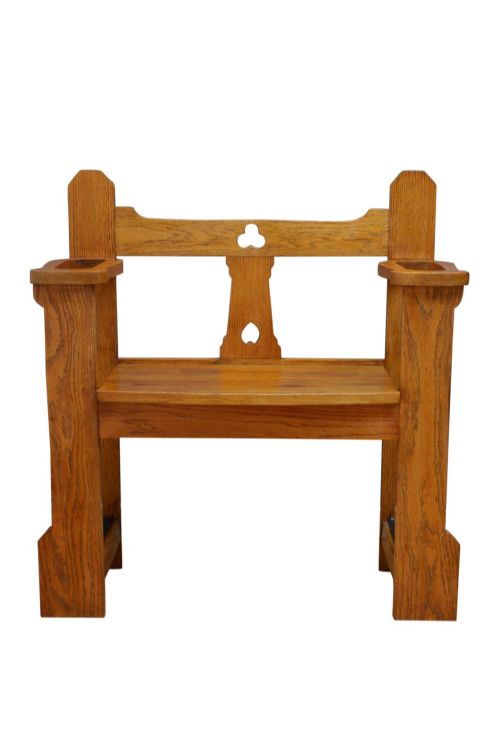
Cabinetmakers utilised dense hardwoods such as mahogany, walnut, and oak to construct durable frames that withstand centuries of shifting humidity and physical weight. These structural timbers often feature turned legs, twisted rope details, or ebonised finishes.
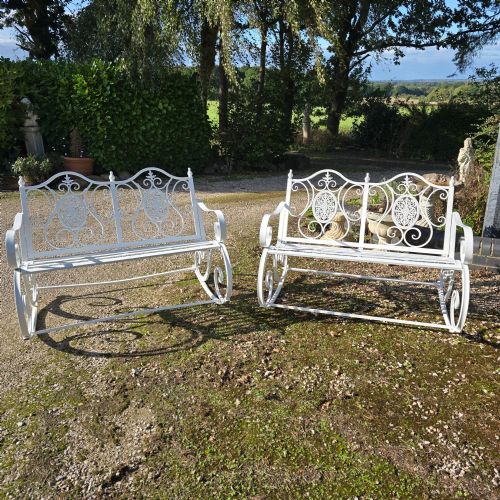
Upholstery techniques rely on traditional stuffing and springing finished with quality textiles including cotton, velvet, and hand-dyed brown leather. Brass hardware and iron frames additionally appear in specific industrial or garden forms, providing robust functional support.
Restored Seating Retail Price Guide 2026
Typical asking prices for restored seating among the pieces listed under this phrase on Sellingantiques today, from the lower quarter to the upper quarter. They describe what is for sale here now, not the wider market.
Some nineteenth-century armchairs cleverly doubled as reading sanctuaries by discreetly concealing a pull-out writing slope within their sturdy wooden frame.
Distinctions in Quality
The standard of a restored piece depends heavily on the fidelity of the timber conservation and the appropriateness of the new upholstery materials. Superior examples maintain their original frame integrity while employing period-correct methods for padding and covering.
The depth of finish on leather and the precision of joinery separate standard utility items from finer parlour or library seating. Attention to detail in reviving carved wooden elements and matching textile weights to the era of the frame dictates the overall merit.
Miles & Edward’s
The Restored Seating Glossary
- Chesterfield
- A large upholstered sofa or armchair characterised by deep button tufting and rolled arms of equal height. These pieces typically feature leather upholstery suited for libraries and halls.
- Camel back
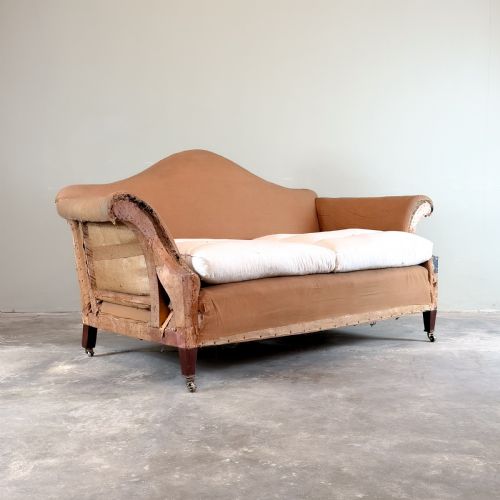
- A classic sofa or chair design featuring a curved, undulating top rail that resembles the hump of a camel. This profile was particularly favoured during the Edwardian period.
- Ladder back
- A chair style featuring multiple horizontal wooden slats across the backrest that resemble the rungs of a ladder. These frames are common in country dining chairs from around nineteen hundred.
- Balloon back
- A distinct chair design featuring a rounded, oval-shaped backrest resembling a blown-up balloon. This form is frequently seen on Victorian nursing and parlor chairs.
- Ebonised
- Wood that has been treated chemically or painted to resemble expensive ebony. Makers utilised this dark finish to create striking contrasts on nineteenth-century chair legs.
Restored Seating: Frequently Asked Questions
What defines a restored antique chair?
A restored antique chair is a historic seating piece that has undergone structural repair and reupholstery to ensure it is usable today. These items retain their original wooden frames while receiving fresh covers and internal padding.
Restoration preserves the historical integrity of the piece while making it fit for modern sitting rooms and studies.
How do I care for leather club chairs?
Leather club chairs require regular dusting and occasional conditioning with appropriate balms to keep the hide supple. Avoiding direct sunlight prevents the hand-dyed brown leather from drying out or fading.
Gentle maintenance ensures the aged patina develops character without compromising the structural strength of the skin.
Can I use antique dining chairs daily?
Many restored antique dining chairs are structurally reinforced specifically to handle regular daily seating at the table. Solid oak and hardwood ladder back designs offer robust support for everyday use.
Checking that the joints are tight ensures these historic sets remain functional for modern households.
How do I identify a Victorian armchair?
Victorian armchairs often feature dense mahogany or walnut frames, deep buttoned leather, and expressive upholstery shapes like the balloon back or Chesterfield form. These pieces reflect the heavier, ornate tastes of the nineteenth century.
Examining the turning on the wooden legs and the style of the springs helps confirm the nineteenth-century origins.