



Repousse Picture Frame
These repousse picture frames bring together intricate metalwork and domestic portraiture from the late nineteenth and early twentieth centuries.
Repousse Picture Frame
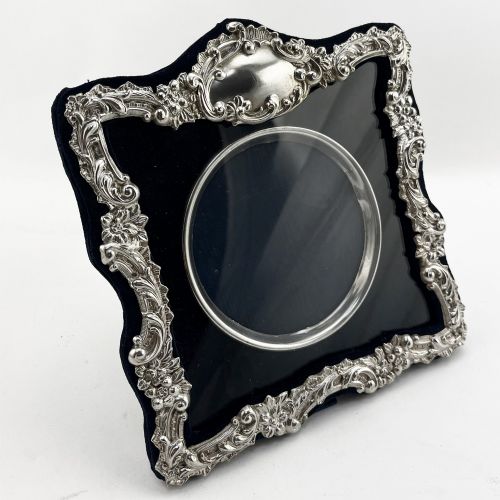
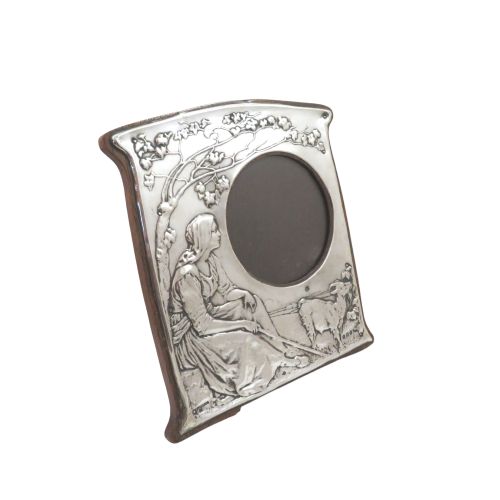
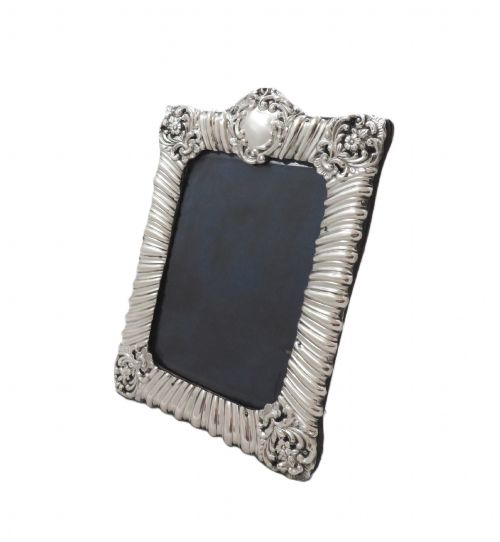
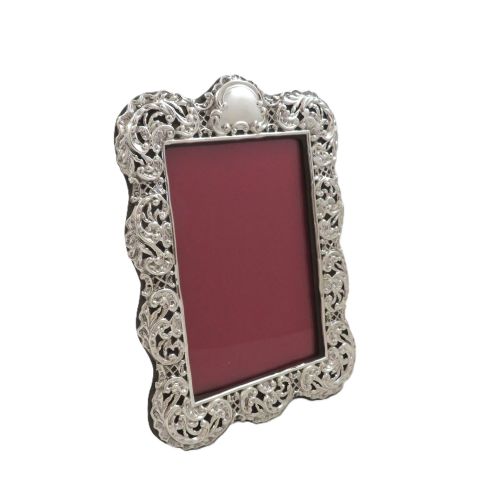
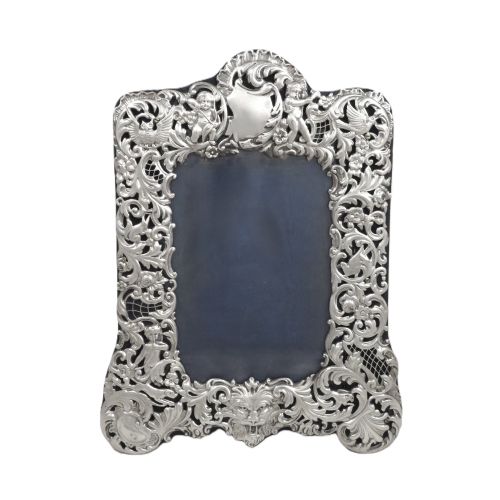
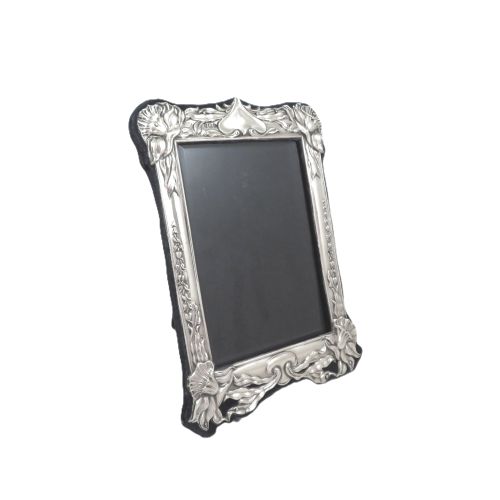
A repousse picture frame is an ornamental enclosure for photographs and small pictures, heavily shaped by hand to create raised designs on the front surface. When searching for a repousse picture frame, buyers encounter pieces primarily from the Victorian and Edwardian eras, alongside a small number from the 1930s and nineteenth century.
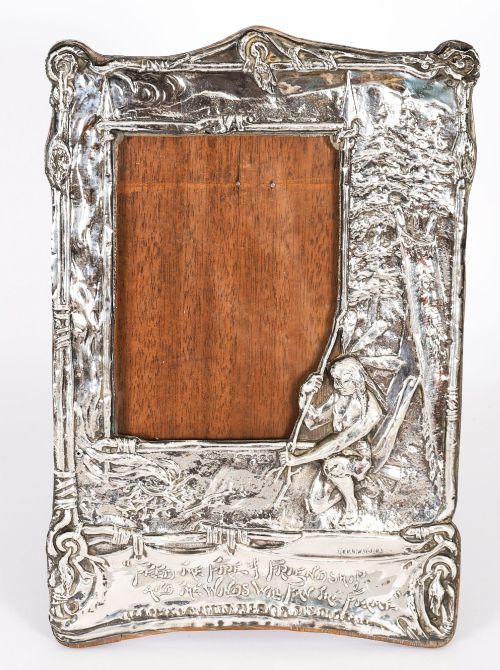
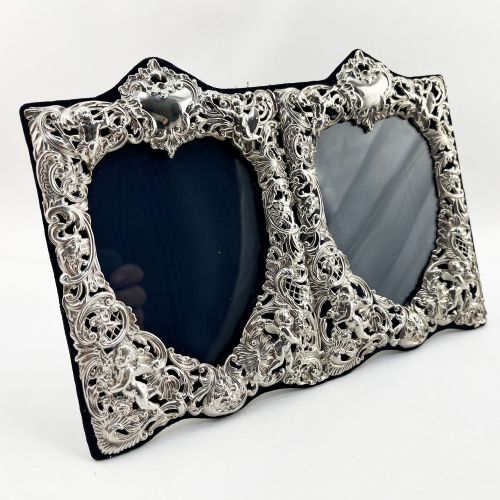
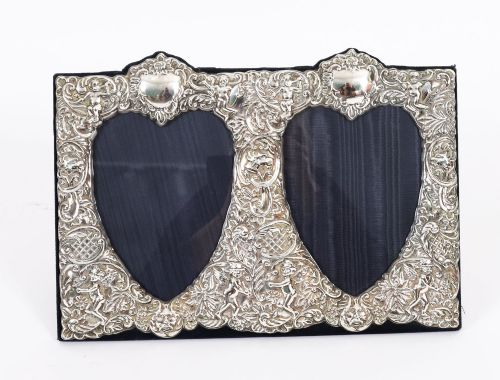
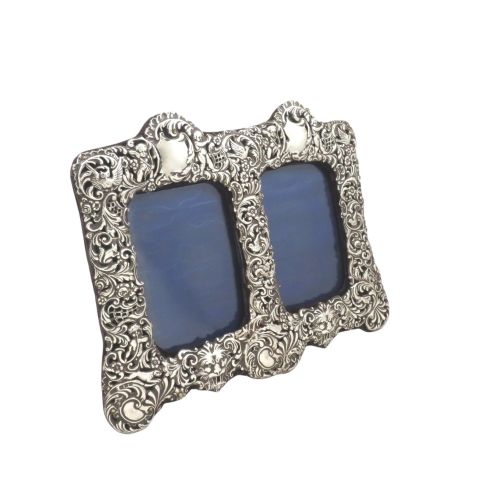
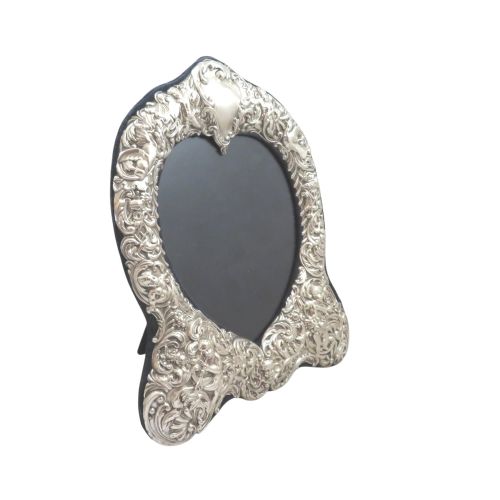
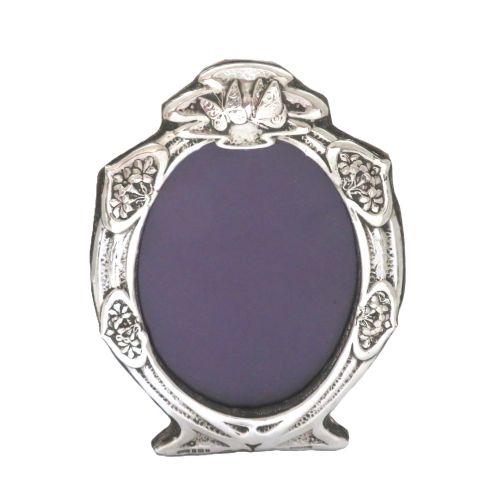
The objects take several distinct forms, most commonly appearing as single photo frames in rectangular, oval, or heart shapes. Double frames also feature among the selection, alongside larger wall reliefs and pieces featuring specific figural motifs.
Makers utilised various periods and styles to decorate these items, spanning traditional Victorian designs, elaborate Rococo Revivals, neoclassical influences, and flowing Art Nouveau contours. The core of what is available centres on sterling silver work mounted around wooden backs and glass viewing panels.
Materials and Construction
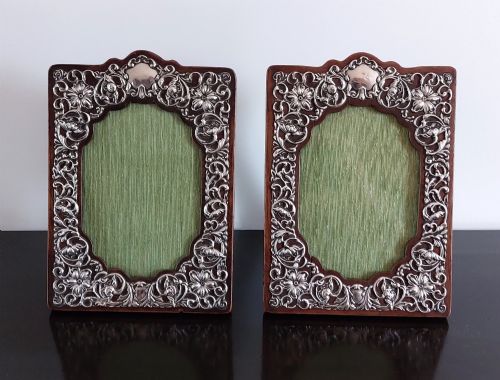
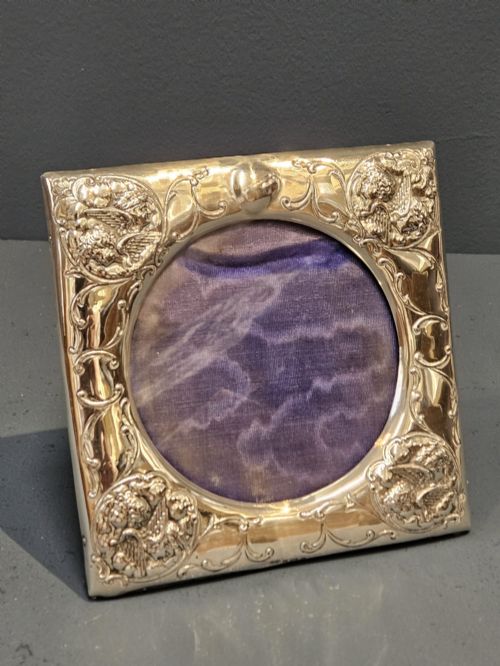
Makers fashioned the decorative fronts of these pieces primarily from sterling silver and copper, hammering and pressing the metal from the reverse side to push the relief design forward. This technique allowed craftsmen to render detailed subjects like cherubs, birds, and botanical motifs in high definition on the metal surface.
The front metal mounts were then secured to structural backs made of wood, often lined with fabric such as velvet or silk to provide a neat finish against the interior surface. Glass panels were fitted behind the opening to protect the photographic prints housed within.
Repousse Picture Frame Retail Price Guide 2026
Typical asking prices for repousse picture frame among the pieces listed under this phrase on Sellingantiques today, from the lower quarter to the upper quarter. They describe what is for sale here now, not the wider market.
Listings feature sterling silver and copper constructions paired with velvet, silk, and wood elements across Victorian and Edwardian periods.
Distinctions in Quality
The refinement of the hand-hammered relief work separates the standard production from the exceptional examples. Crispness in the depiction of complex motifs, such as figures or entwined botanical elements, demonstrates the skill of the silversmith.
The weight of the sterling silver used in the front mount and the structural integrity of the wooden and fabric backing components also define the calibre of each piece. Surviving frames that retain their original structural elements and unblemished glass display superior preservation.
William Comyns·Henry Matthews·Walker & Hall
The Repousse Picture Frame Glossary
- Repousse
- A metalworking technique where the design is hammered and pushed up from the reverse side of the sheet. This creates a raised, three-dimensional relief on the front face.
- Sterling silver
- An alloy consisting of silver and other metals, typically copper, standard for British silver items of these periods. It provides the durable yet malleable surface required for detailed embossing.
- Art Nouveau
- A stylistic movement prominent around the turn of the twentieth century. It is characterised by organic, flowing lines and motifs inspired by natural forms like insects and plants.
- Rococo Revival
- A decorative style favouring ornate, asymmetrical scrollwork, floral flourishes, and shell motifs. It draws upon eighteenth-century design principles reinterpreted during the Victorian era.
- Backing
- The structural support fitted behind the metal frame face. It commonly incorporates wood covered in velvet, silk, or other fabrics to hold the photograph firmly in place against the glass.
Repousse Picture Frame: Frequently Asked Questions
What periods do these frames come from?
The pieces span the late nineteenth and early twentieth centuries, with heavy representation from the Victorian and Edwardian eras. Additional examples date into the nineteen-thirties and general nineteenth-century periods.
Stylistic markers help identify these eras, ranging from elaborate Rococo Revival flourishes to organic Art Nouveau curves and cleaner neoclassical layouts.
What materials make up these frames?
Sterling silver and copper form the visible front decorative sections, which are worked in relief. These metal mounts are typically secured to wooden backing structures lined with fabrics like velvet or silk.
Glass panels sit inside the frame to cover and protect the photographs or pictures displayed within.
How were these frames used originally?
People placed them on desks, mantelpieces, and tables to display portrait photographs of family members and loved ones. Some larger formats and wall reliefs were designed to hang directly on interior walls.
They served both a domestic functional purpose and as decorative interior ornaments reflecting the taste of the period.
How do I care for a silver frame?
Silver surfaces benefit from gentle cleaning with appropriate cloths to manage natural tarnishing over time. Care should be taken to avoid harsh chemical cleaners that might damage the delicate embossed details.
Protecting the original velvet or silk linings from excessive moisture and direct sunlight helps preserve the structural integrity of the backing materials.