

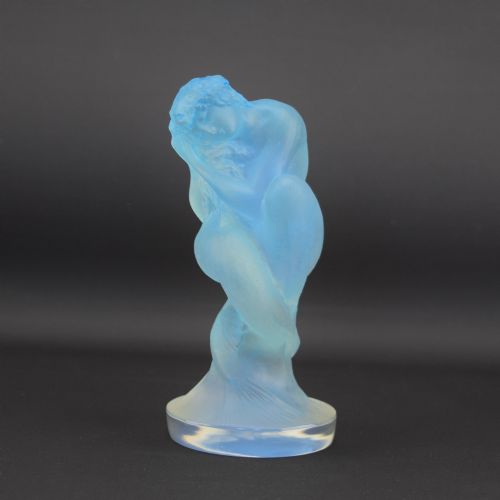


Rene Lalique Figurine
A rene lalique figurine captures the sculptural brilliance of twentieth-century glassmaking, offering collectors tactile works of art that double as car mascots and desk seals.
Rene Lalique Figurine
A rene lalique figurine encompasses small sculptures, car mascots, paperweights, and desk seals produced during the early twentieth century. These objects bridge the gap between functional items and pure decorative art.
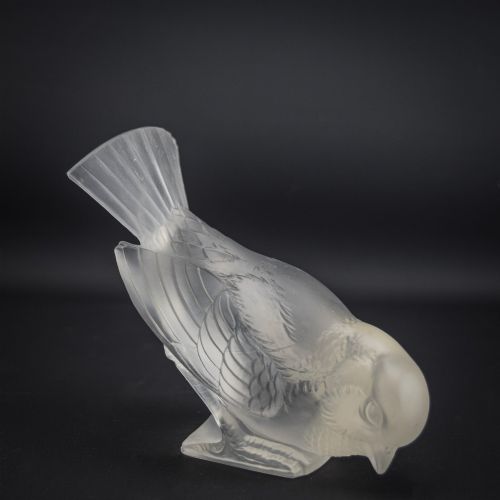
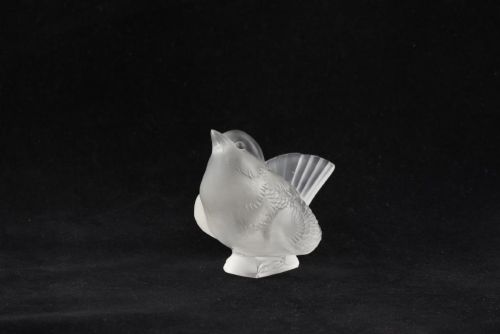
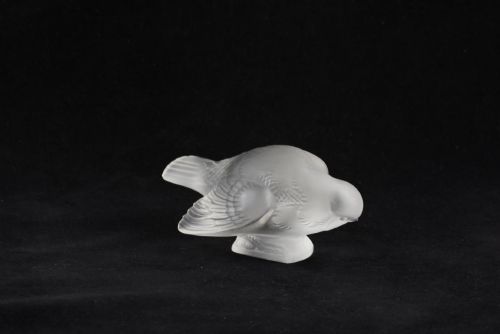
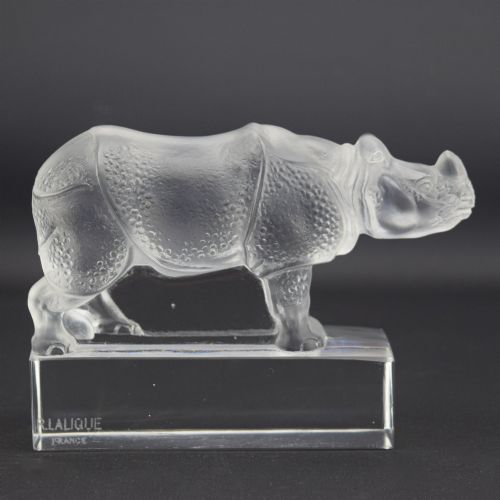
The versions most commonly encountered on this page belong to the Art Deco and Art Nouveau periods, frequently taking the form of birds and animal subjects. Pieces such as sparrows, elephants, and wild boars dominate the selection.
Moulded glass and crystal form the foundation of these sculptures, often enhanced with opalescent finishes, blue staining, or topaz colouration. Each figurine reflects the distinct aesthetic priorities of the interwar and pre-war decades.
Materials and Techniques
The making of these pieces relies heavily on moulded glass and crystal, shaped to create three-dimensional forms with high relief. Artisans utilised sophisticated pressing techniques to achieve sharp detail in subjects ranging from animal figures to mythological creatures like sirens.
Surface treatments define the visual character of the work, employing frosted finishes, opalescent effects, and deliberate staining in blue or topaz. These treatments manipulate light passing through the glass to accentuate the contours of each subject.
Rene Lalique Figurine Retail Price Guide 2026
Typical asking prices for rene lalique figurine among the pieces listed under this phrase on Sellingantiques today, from the lower quarter to the upper quarter. They describe what is for sale here now, not the wider market.
Listings feature items spanning from 1910 to 1930, demonstrating the evolution from early desk seals to later animal paperweights and car mascots.
Factors of Quality
The success of the optical effects, particularly the depth of opalescence and the precise placement of coloured stains, determines the visual strength of the piece. Masterful distribution of light within the glass elevates a standard object into a striking sculptural statement.
Rene Lalique
The Rene Lalique Figurine Glossary
- Car mascot
- A sculptural ornament mounted on the radiator cap of a motor vehicle during the early twentieth century. Many glass examples were later repurposed as desk ornaments or paperweights.
- Opalescent glass
- A type of glass that displays milky blue tints in transmitted light and warm amber tones in reflected light. This effect adds shifting colour depth to sculptural figures.
- Cachet
- A small desk seal featuring an engraved base for stamping wax. These practical items often doubled as miniature figural sculptures.
- Moulded glass
- Glass formed by pressing molten material into a metal or wooden matrix. This technique allowed for the consistent production of complex figural designs.
- Socle
- A short plinth or pedestal supporting a sculpture. Several paperweights utilise this architectural base to elevate the central figure.
Rene Lalique Figurine: Frequently Asked Questions
What is a rene lalique figurine?
A rene lalique figurine is a small glass sculpture produced by the French designer, encompassing functional objects like car mascots, paperweights, and desk seals. These items utilise moulded glass to represent animals, birds, and mythological figures.
Created primarily during the early decades of the twentieth century, these pieces merge industrial moulding techniques with artistic craftsmanship. They represent a key milestone in decorative glass design.
How were car mascots used?
Motorists mounted these glass sculptures onto the radiator caps of luxury automobiles during the 1920s and 1930s. Illumination from beneath often highlighted the translucent qualities of the glass during night driving.
Over time, many of these mascots transitioned from vehicular accessories into static display pieces. Collectors frequently mount them on custom bases for interior presentation.
How do I identify periods?
Dating relies on stylistic markers that shift between the early 1910s and the 1930s. Pieces from the earlier decade often reflect flowing Art Nouveau aesthetics, while interwar works embrace geometric Art Deco sensibilities.
Subject matter and finishing techniques also offer chronological clues. Animal studies and specific colour treatments like topaz or heavy blue staining align closely with production trends of the late 1920s and early 1930s.
How should I display them?
These glass sculptures require placement near natural light sources to fully activate their frosted and opalescent properties. Direct sunlight or directional shelf lighting helps reveal the subtle internal depths of the material.
Stable surfaces away from high-traffic areas ensure the safety of these delicate objects. Pairing them with compatible wooden socles or illuminated bases enhances their sculptural presence in a room.