




Renaissance Style Desk
These pieces for a renaissance style desk offer heavy carved timber and historic ornament, bringing immediate gravitas and presence to a study.
Renaissance Style Desk
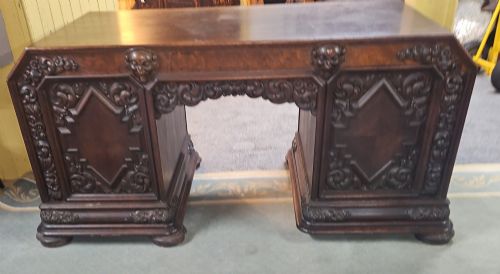
A renaissance style desk brings together historic revival forms and robust construction, often manifesting as heavily carved writing tables and library furniture. These examples draw on centuries of design tradition, spanning walnut and oak frames with distinct period details.
Buyers searching for a renaissance style desk will commonly encounter nineteenth-century revival interpretations alongside earlier periods. The selection incorporates related seating, tables, and cabinets that share the same dark timber aesthetic and sculptural carving.
How they were made
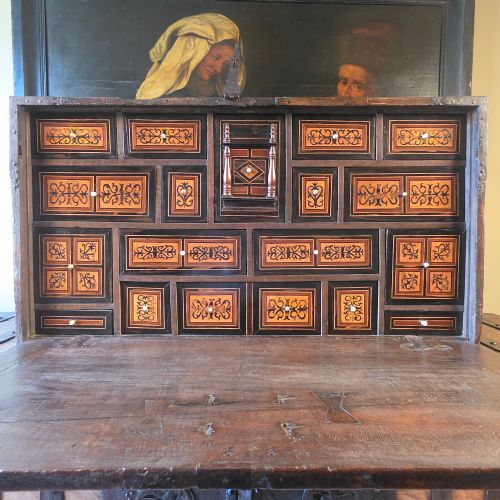
Master craftsmen shaped these items primarily from dense hardwoods like walnut and oak, which took deep, crisp chisel work exceptionally well. Surfaces frequently display intricate relief carving, paneling, and sometimes inlaid details that highlight the joinery.
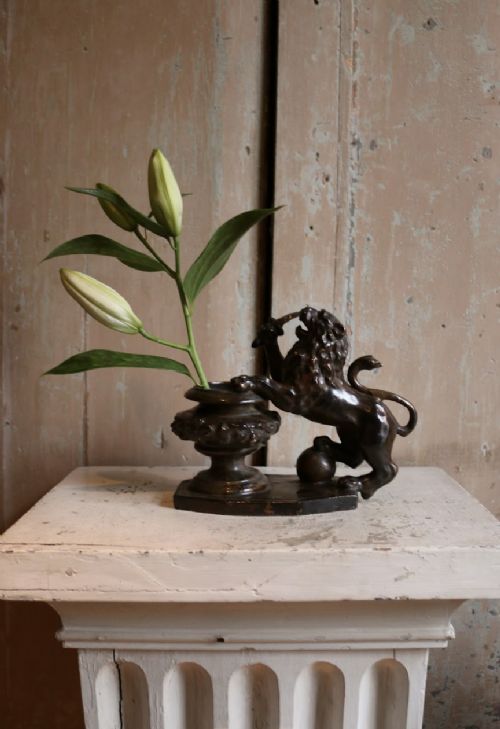
Metal elements such as patinated bronze and iron appear as mounts, inkwells, and hardware, providing a contrasting texture to the dark timber. Leather inserts also feature on writing surfaces, bound to the wood base to create a durable workspace.
Renaissance Style Desk Retail Price Guide 2026
Typical asking prices for renaissance style desk among the pieces listed under this phrase on Sellingantiques today, from the lower quarter to the upper quarter. They describe what is for sale here now, not the wider market.
Some winged griffins carved into these walnut tables look entirely ready to fly away when the paperwork gets too heavy.
What varies in quality
The distinction between ordinary and exceptional work lies in the depth and animation of the carving. Superior examples exhibit undercut relief and hand-chiseled crispness that feels three-dimensional, whereas lesser pieces rely on shallow stamping or mechanical routing.
Timber selection and structural integrity also govern the hierarchy of these items. Denser grain, stable joints, and well-chosen patinated bronze hardware elevate a piece above standard workshop production.
Luigi Frullini·Paul Fournier
The Renaissance Style Desk Glossary
- Renaissance Revival
- A nineteenth-century design movement that reinterpreted sixteenth-century architectural and decorative motifs. It draws heavily on classical symmetry and robust sculptural elements.
- Walnut
- A heavy, durable timber prized for its rich dark brown colour and fine grain. It was the preferred medium for intricate Renaissance carving.
- Patinated Bronze
- A copper alloy treated with chemicals or heat to produce a stable, aged surface finish. This treatment enhances the depth of sculptural details.
Renaissance Style Desk: Frequently Asked Questions
What is a renaissance style desk?
A renaissance style desk is a heavy wooden writing table ornamented with motifs from the sixteenth-century revival, such as strapwork, caryatids, and deep relief carving. These pieces are typically built from dark hardwoods to anchor a traditional study.
They serve as functional writing surfaces while functioning as grand decorative centerpieces within a room. Their robust proportions require adequate space to balance their visual weight.
How do I care for antique walnut?
Antique walnut benefits from minimal intervention, requiring only occasional dusting with a dry, soft cloth. Avoid silicone polishes, which can build up and soften the historic surface over time.
Keep these wooden items away from direct sunlight and steady heat sources to prevent the timber from splitting. Maintaining stable room humidity preserves both the wood and any integrated leather writing panels.
How do I spot nineteenth-century revival work?
Nineteenth-century revival pieces often combine historical ornament with construction methods typical of the industrial era, such as machine-cut screws or standardised secondary woods. Artisans of this period skillfully copied sixteenth-century designs while incorporating contemporary proportions.
Examining the underside and drawer linings usually reveals the tool marks and ageing patterns distinct from the original sixteenth-century models they emulate. The patination on these nineteenth-century surfaces tends to show a more uniform, handled wear.
Where did these revival desks originate?
Revival furniture of this type was produced across Western Europe, with significant centres in France, Italy, Spain, and Britain. Workshops in these regions adapted local Renaissance traditions to suit Victorian and later nineteenth-century interior tastes.
Makers frequently drew inspiration from Grand Tour travels, incorporating Italian and Flemish motifs into domestic furniture. This cross-pollination of styles created a diverse international market for heavily carved library pieces.