
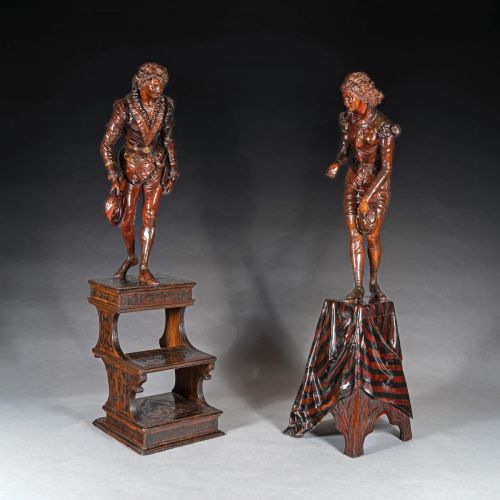

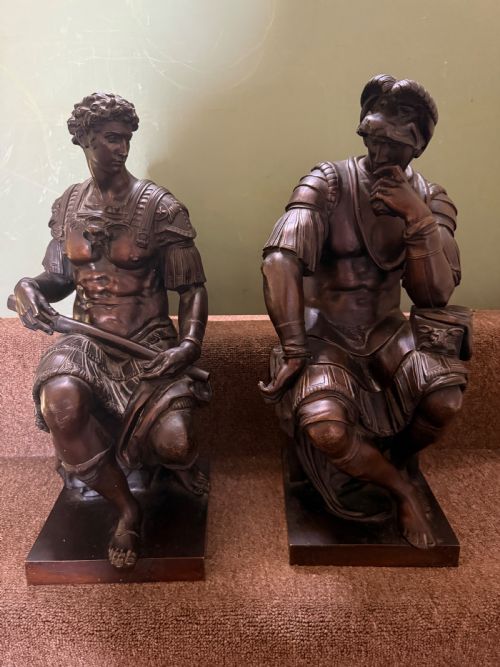


Renaissance Revival Statue
A renaissance revival statue brings the sculptural ambition of fifteenth-century Italy into nineteenth-century drawing rooms through masterful metalwork and casting.
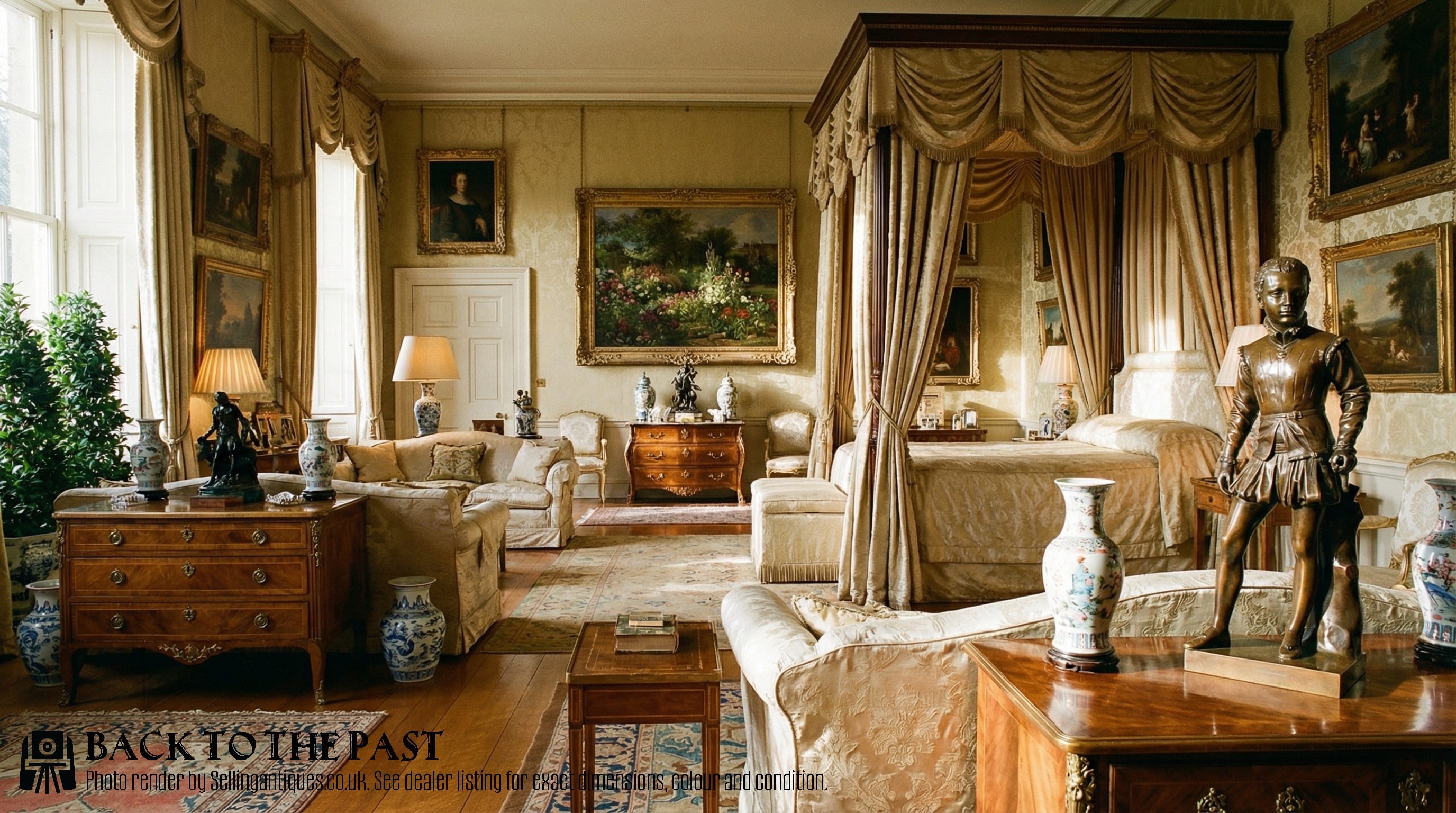
Renaissance Revival Statue
A renaissance revival statue draws on historical forms from Italy and France, capturing notable figures such as Henry IV of France, Reine Isabella, and noble courtiers. Buyers exploring this category encounter sculptural representations modelled after celebrated Renaissance originals, including works after Michelangelo and Antonio Rossellino.
The objects listed on this page encompass varied decorative and functional forms, ranging from single portrait busts and standing figures to pairs of figural candlesticks and Grand Tour souvenirs. These nineteenth-century interpretations reflect a sustained European fascination with earlier dynastic and artistic epochs.
Originating predominantly in France, Italy, and Austria during the nineteenth century, these sculptures serve as enduring examples of historical revivalism. They translate the grand scale of monumental art into cabinet bronzes and mantel pieces suitable for domestic display.
How they were made
Makers utilised traditional foundry methods, casting metal into detailed moulds to achieve complex figurative forms. Bronze and spelter serve as the primary metallic mediums, often enhanced through patination or gilt finishes to highlight intricate costume details and facial expressions.
Certain pieces incorporate supplementary materials like marble bases, polychrome, gesso, and gold leaf to heighten visual contrast and decorative appeal. Artisans applied these finishes by hand, ensuring that surfaces mimic the appearance of antique works.
Renaissance soldiers doubling as candlesticks ensured that historical martial pride could safely hold the family dining candles.
What varies in quality
Surface treatments also set exceptional pieces apart, where patinated bronze or applied gilding displays depth and controlled tone rather than a flat, uniform appearance. The reputation of the casting house and the fidelity to the Renaissance source material further define the standing of each sculpture.
Barbedienne·Eurotrope Bouret·Duboy
The Renaissance Revival Statue Glossary
- Patinated bronze
- Bronze metal treated with chemical solutions to produce a specific surface colour, ranging from dark brown to verdigris. This finish protects the metal and accentuates sculptural contours.
- Spelter
- An alloy of zinc and lead used as a cost-effective alternative to bronze in nineteenth-century manufacturing. It accepts metallic paints and patination to resemble heavier metals.
- Grand Tour
- A cultural journey undertaken by nineteenth-century elites across Europe, acquiring souvenir artworks and small bronzes. These objects served as portable testaments to classical and Renaissance education.
- Gesso
- A plaster-like mixture applied to surfaces as a base for gilding or painting. It provides a smooth ground for decorative detailing on sculptural elements.
- Chasing
- The manual refinement of a cast metal surface using hammers and punches. This finishing step sharpens details left soft by the moulding process.
Renaissance Revival Statue: Frequently Asked Questions
What is a renaissance revival statue?
A renaissance revival statue is a nineteenth-century sculpture modelled after fifteenth- and sixteenth-century Italian and French art. These pieces reinterpret historical figures, nobility, and classical subjects.
They reflect the Victorian and continental desire to bring Renaissance aesthetics into contemporary homes through skilled metalcasting.
How were these statues used?
These sculptures functioned primarily as decorative interior ornaments placed on mantelpieces, desks, and side tables. Some items, such as figural candlesticks, combined sculptural form with practical lighting.
They acted as conversation pieces that signaled the owner's cultural interests and familiarity with European history.
What materials are most common?
Bronze and spelter dominate this category, often finished with dark patination or gilt surfaces to emulate older works. Marble frequently appears as a supportive base for busts and figures.
Secondary materials like gesso and gold leaf add ornamental detail to specific sculptural types.
How do I identify the period?
The pieces belong to the nineteenth century, typically dating between 1860 and 1890. Stylistic cues, casting techniques, and foundry stamps help establish this timeframe.
Subject matter often points directly to the nineteenth-century Grand Tour tradition or specific revival movements in France and Italy.