







Religious Old Master Painting
A religious old master painting carries centuries of devotion and workshop mastery, bringing historical sacred narrative directly into a room.
Religious Old Master Painting
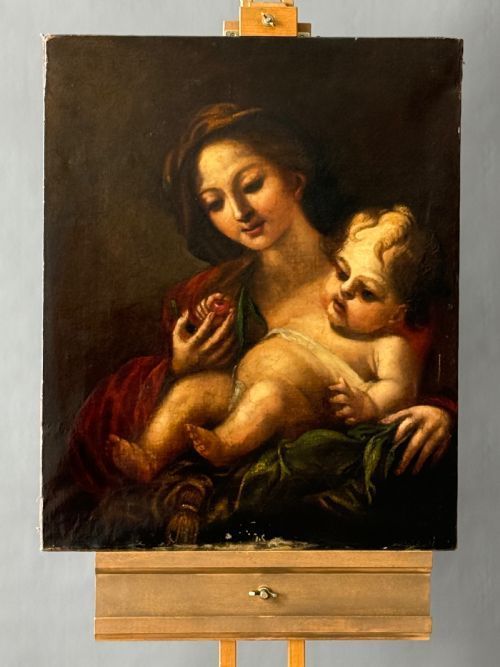
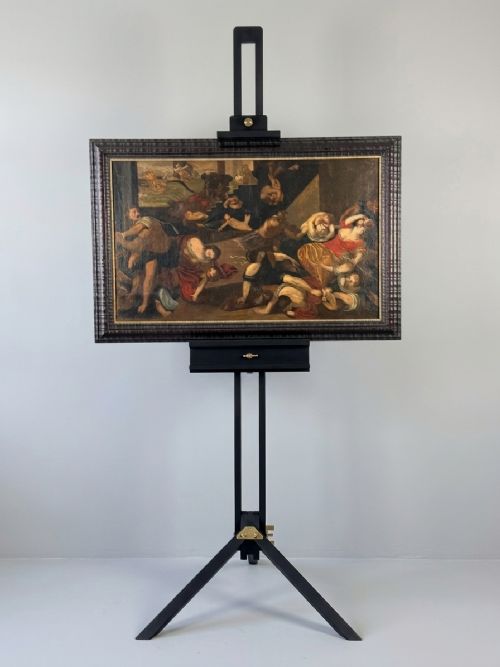
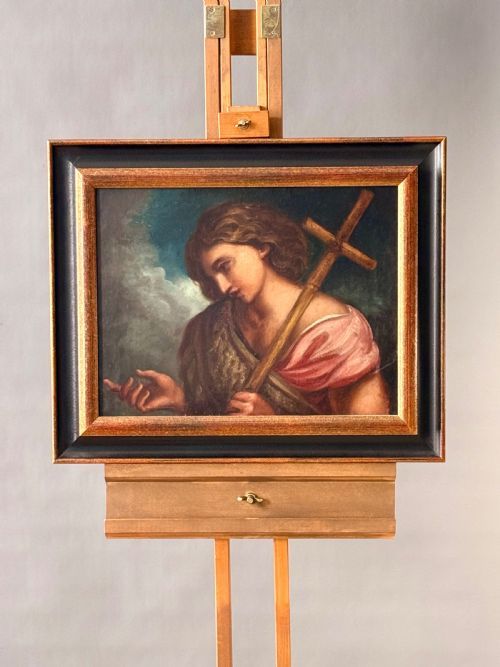
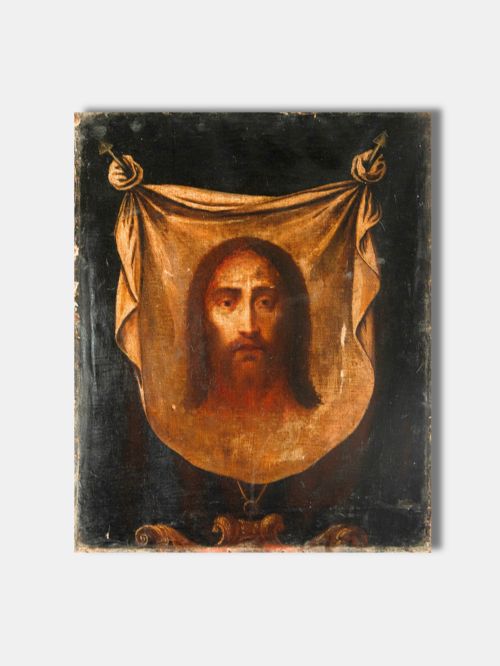
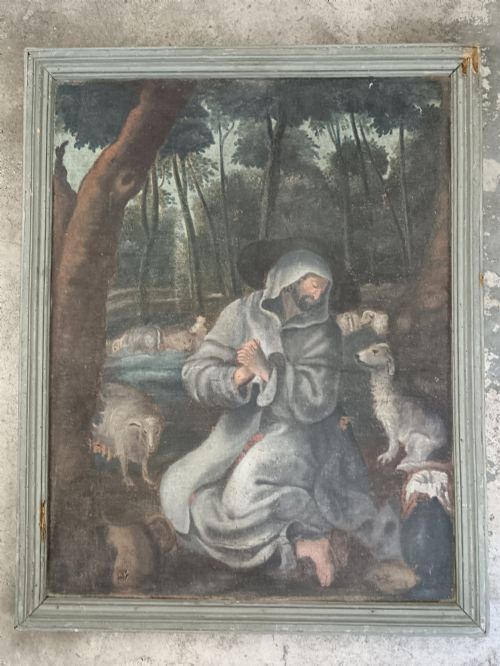
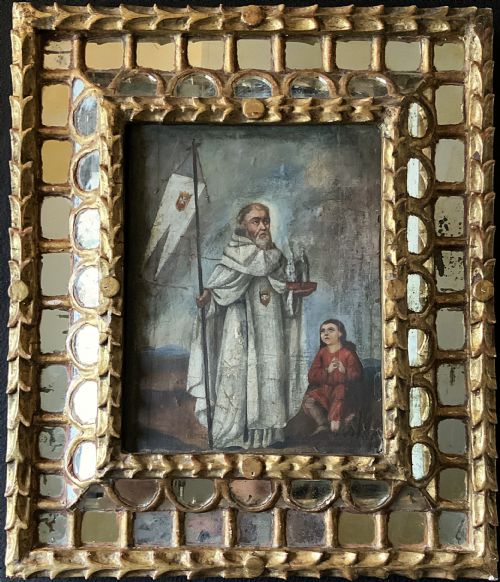
When someone searches for a religious old master painting, they encounter historical devotional imagery originating primarily from European art centres between the sixteenth and eighteenth centuries. The pieces on this page span canonical biblical subjects like the Madonna and Child, the Holy Family, and various saints rendered by regional schools or followers of master painters.
The physical form is predominantly oil on canvas or wood panel, alongside occasional pastels and watercolours, housed in period frames such as giltwood. Most examples reflect Italian, Spanish, or Flemish stylistic traditions, ranging from formal Renaissance compositions to dramatic Baroque interpretations.
How they were made
The primary technique relies on oil paint applied to stretched canvas or prepared wood panels, sometimes copper, allowing artists to build rich layers of colour and shadow. Ground layers and underdrawing preceded the application of translucent glazes that produced deep luminosity in figures and drapery.
Support materials varied according to regional workshop practice, with fruitwood panels utilised alongside traditional canvas supports. Frames were constructed from carved wood and finished with gold leaf or giltwood to complement the sacred iconography.
Listings feature sixteenth, seventeenth, and eighteenth-century periods alongside oil on canvas, wood panel, and giltwood materials.
What varies in quality
Quality rests upon the confidence of the brushwork and the anatomical conviction of the figures, distinguishing master studio output from routine provincial copies. Pentimenti, where an artist altered a composition during painting, often signal an original exploratory process rather than a mechanical reproduction.
The preservation of the pigment layer and the structural integrity of the canvas or wood panel dictate the visual strength of the piece. Surviving period giltwood frames that match the age and scale of the canvas contribute significantly to the integrity of the object.
Benedetto Luti·Francesco Solimena·Pompeo Batoni·Gian Lorenzo Bertolotto·Guido Reni·Antonio Tempesta·Pietro D'asaro·Adriaen Van der Werff
The Religious Old Master Painting Glossary
- Old Master
- A European artist of skill who worked before about eighteen hundred, or a painting produced by such an artist. These works often reflect the prevailing religious and academic standards of their period.
- Pentimento
- An alteration in a painting, evidenced by previous traces of paint showing that the artist changed their mind. This visible underlying revision confirms the hand of the painter at work.
- Giltwood
- Wood that has been coated with gold leaf or gold paint. It frequently frames religious canvases from the baroque and renaissance eras.
- Baroque
- A European artistic style characterised by exaggerated motion and clear detail used to produce drama and grandeur. This aesthetic dominates many seventeenth-century religious compositions.
Religious Old Master Painting: Frequently Asked Questions
How do I identify a school?
Attributions to specific schools such as the Neapolitan, Spanish, or Emilian traditions rely on stylistic traits, brushwork characteristics, and regional handling of light and pigment.
Comparative analysis with documented works in public collections helps specialists assign anonymous paintings to these historic artistic circles.
Where should I hang these?
Religious old master paintings require stable wall environments away from direct sunlight, excessive heat sources, and damp conditions to protect old canvas and wood supports.
Placing them at eye level in rooms with controlled indoor climates ensures the oil layers and giltwood frames remain preserved for decades.
What is an after-work?
An after-work is a painting executed by a later artist who copied or reinterpreted a famous composition by a master like Raphael or Correggio.
These pieces formed an important part of historic artistic training and collecting traditions across the eighteenth and nineteenth centuries.
How do panels differ from canvas?
Wooden panels provide a rigid, solid ground that artists favoured during earlier Renaissance periods, sometimes utilising fruitwood or oak depending on regional availability.
Canvas supports became more widespread later due to their lighter weight and suitability for larger altarpieces and narrative scenes.