


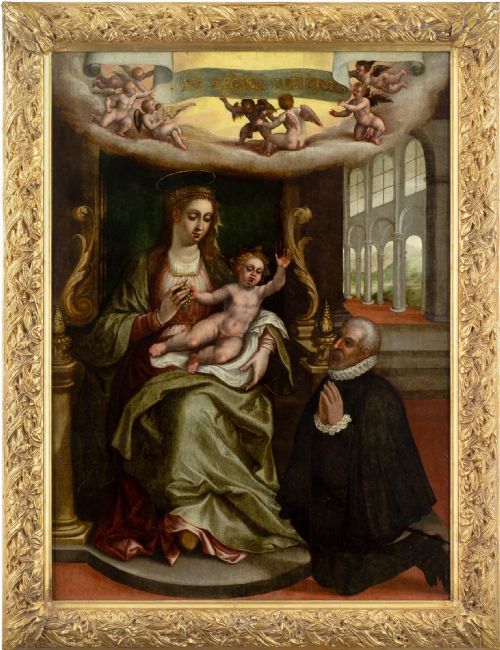


Religious Devotional Painting
When you search for a religious devotional painting, you are looking at centuries of sacred art created for private prayer and contemplation.
Religious Devotional Painting
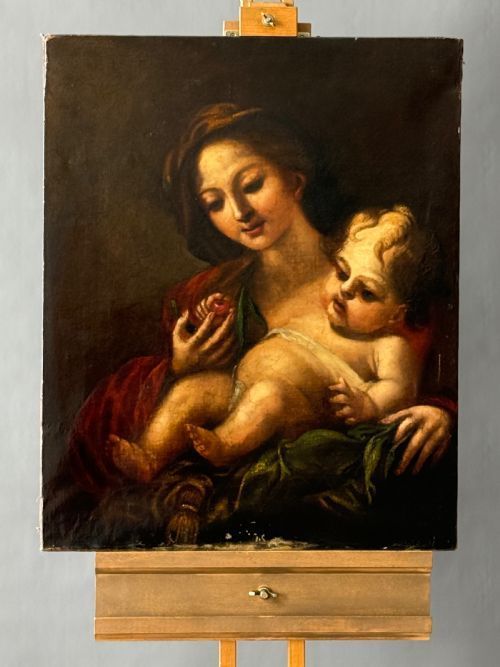
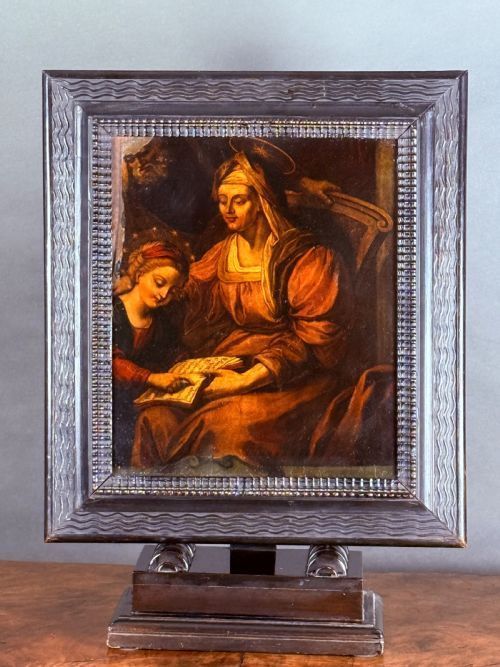
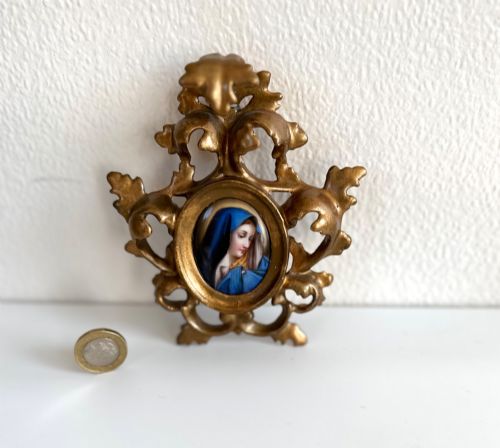
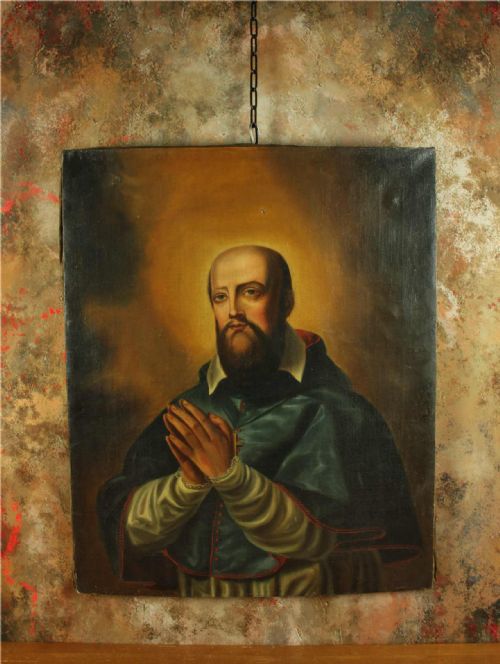
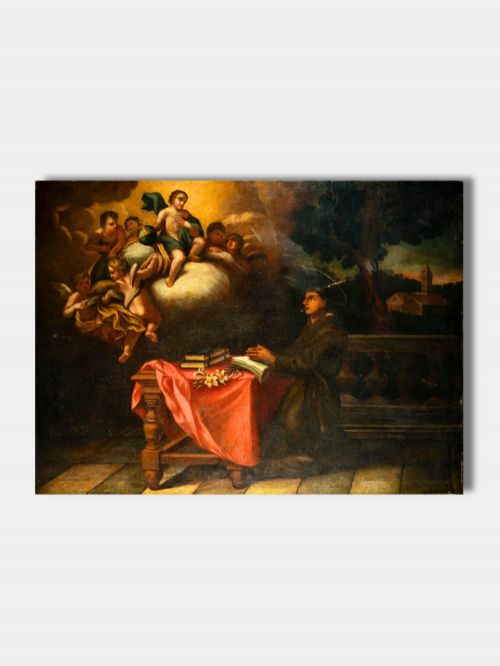
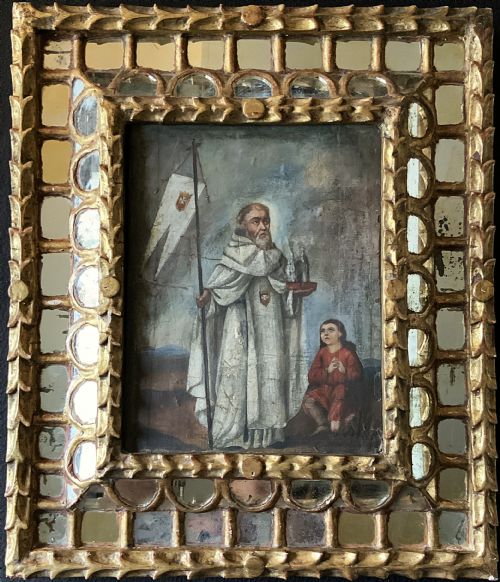
A religious devotional painting encompasses works created to inspire private or communal faith, ranging from intimate household pieces to larger church commissions. The versions you are most likely to encounter on this page span the seventeenth, eighteenth and nineteenth centuries, taking forms such as oil on canvas, reverse glass paintings, ceramic and enamel plaques, and miniature portraits.
Originating across various European and colonial traditions, these works frequently depict sacred figures like the Madonna and Child, the Holy Family, and various saints. Painters worked within established schools such as the Italian, Spanish, French and Hessian schools, often following the compositions of major masters.
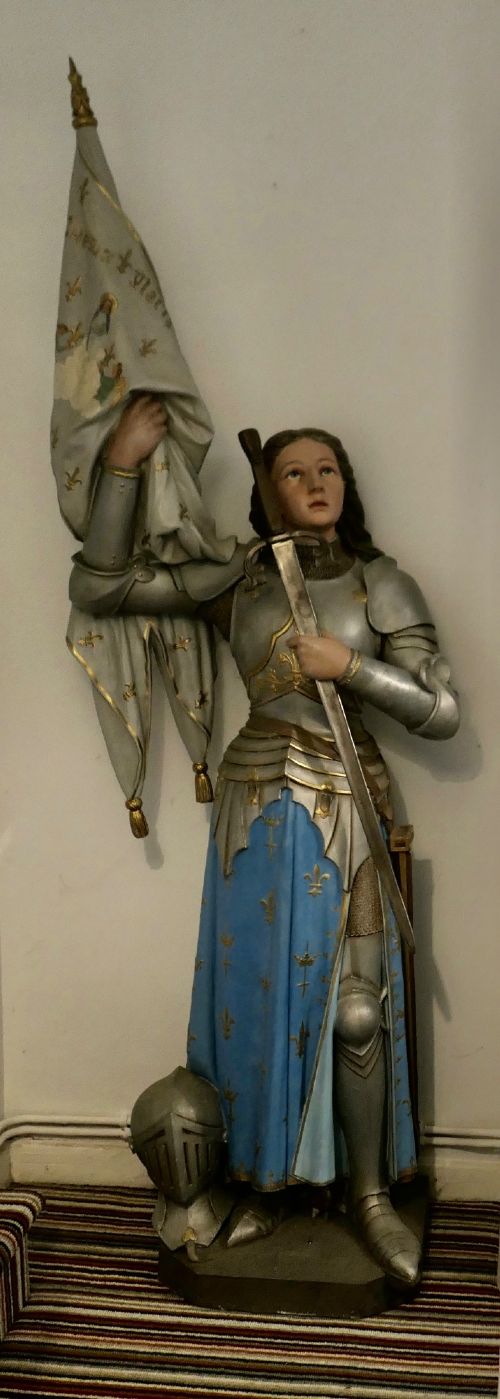
Alongside traditional canvases, the selection includes folk art statues, carved wood figures, and reverse glass mezzotints. These objects reflect both formal academic religious art and vernacular devotional practices from different periods.
How they were made
Makers utilised traditional supports including canvas, wood panels, and copper, applying oil paint, gesso, and gold leaf to achieve depth and luminosity. Many pieces incorporate carved wood and polychrome decoration, particularly in devotional statues and home altars.
Techniques range from fine oil painting on canvas and panel to reverse glass painting and delicate miniature portraiture on enamel or ceramic plaques. Guild and workshop traditions ensured consistent methods for preparing grounds, laying pigments, and applying protective varnishes.
Religious Devotional Painting Retail Price Guide 2026
Typical asking prices for religious devotional painting among the pieces listed under this phrase on Sellingantiques today, from the lower quarter to the upper quarter. They describe what is for sale here now, not the wider market.
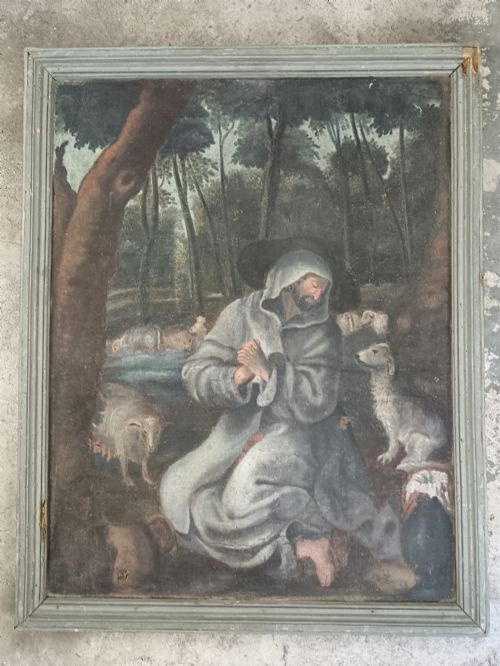
Several pieces include humble depictions of lambs and the occasional hidden pentimento where an artist changed their mind.
What varies in quality
Quality in these works is defined by the skill of the brushwork, the expressiveness of the figures, and the preservation of the original surface. Masterful handling of light, shadow, and anatomy distinguishes a sophisticated old master or follower's piece from simpler folk art.
The integrity of the materials, such as the stability of the wood panel or canvas, the retention of original gilding and gesso, and the subtlety of the colour palette, also determines the standard of the piece.
Jozef Jansessens·Bernardino Luini·Miguel Barroso·Benvenuto Tisi·Costantino Frixione·Juan Ruiz Soriano·Gaspar de Figueroa·Girolamo Dai Libri·Ambrious Benson·Guido Reni
The Religious Devotional Painting Glossary
- Pentimento
- A visible trace of earlier painting beneath the layers of paint, showing where the artist changed their composition. This alteration often indicates an authentic hand at work.
- Reverse glass painting
- An artwork created by applying pigment directly to the back of a glass pane and viewing the finished image from the front. This technique produces a distinct glossy surface.
- Gesso
- A plaster mixture used as a smooth base for painting on wood panels or canvases. It provides a stable foundation for oil paint and gold leaf.
- Ex-voto
- A devotional offering presented to a saint or divinity in fulfilment of a vow. These pieces often record a miraculous intervention or personal thanksgiving.
- Polychrome
- Decorated in a variety of colours. This term frequently describes carved wooden statues and home altars finished with paint and gilding.
Religious Devotional Painting: Frequently Asked Questions
What is a devotional painting?
A devotional painting is an artwork created specifically to aid religious contemplation and prayer, either in a church setting or within a domestic home.
These pieces typically depict sacred subjects such as the Virgin Mary, Christ, or recognised saints, serving as a focal point for spiritual devotion.
How were religious paintings used?
Historically, smaller devotional paintings and miniatures were placed in private chambers, domestic altars, or carried during travel for daily prayer.
Larger canvases and panels were commissioned for churches, convents, and chapels to inspire the congregation during religious services.
How do I care for antique devotional art?
Antique paintings and wooden artefacts require stable environmental conditions away from direct sunlight, excessive heat, and sudden humidity fluctuations.
Dusting should be done gently with a soft, dry cloth, avoiding any liquid cleaners or harsh chemicals on the painted or gilded surfaces.
How can I tell the period of a painting?
Dating relies on examining the stretcher frames, canvas type, wood preparation, pigment analysis, and stylistic conventions characteristic of specific centuries.
Comparing the brushwork and iconography to documented works from schools such as the Spanish Baroque or Italian Renaissance also assists in narrowing the date.