




Relief Bust Sculpture
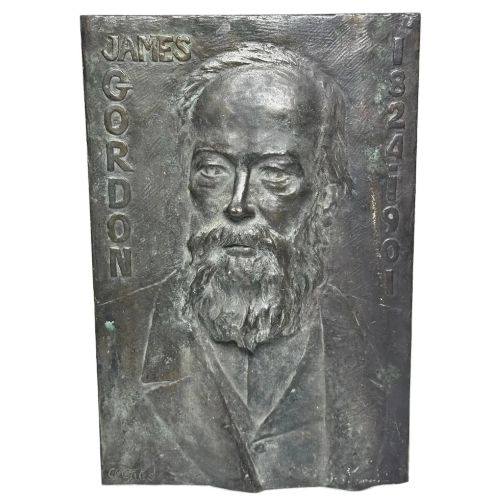
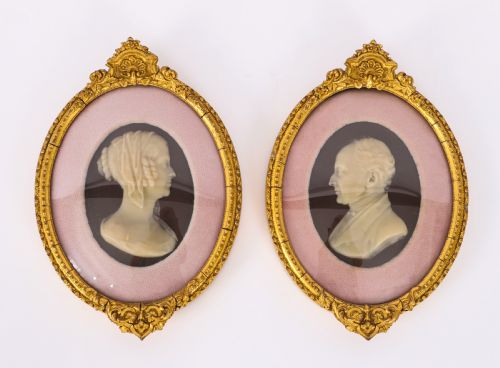
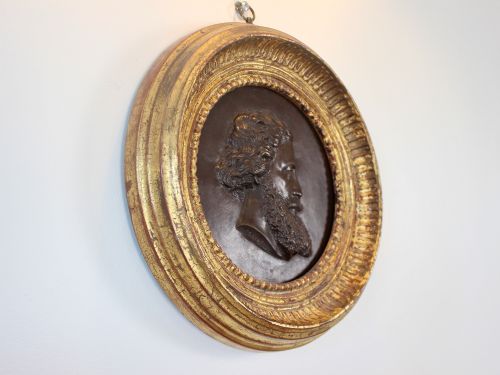
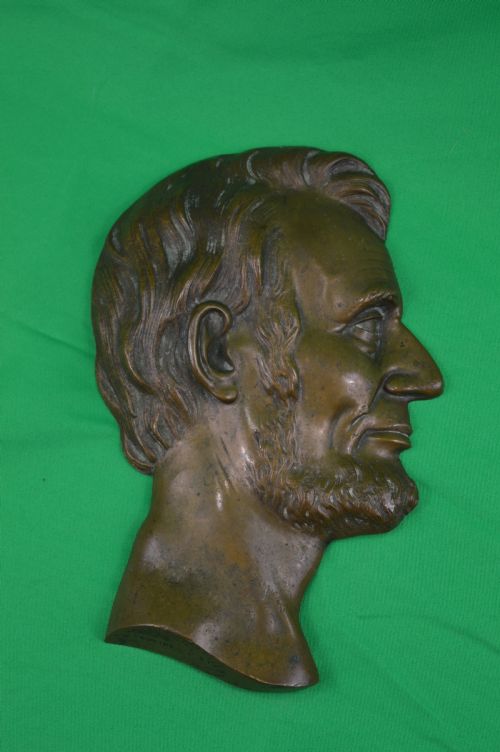
These relief bust sculpture pieces capture likenesses in bronze, marble, and wax, offering a tangible connection to historical portraiture.
Relief Bust Sculpture
A relief bust sculpture brings profile and three-dimensional portraiture into domestic spaces, often mounted as wall plaques or framed miniatures.
The selections span the eighteenth century, the nineteenth century, and the Edwardian era, capturing subjects from classical poets to nineteenth-century gentlemen.
Forms include wall plaques, framed portrait reliefs, and freestanding terracotta heads reflecting classical and neoclassical tastes.
How they were made
Bronze and brass provide cast metallic profiles, sometimes signed by makers or patinated with age.
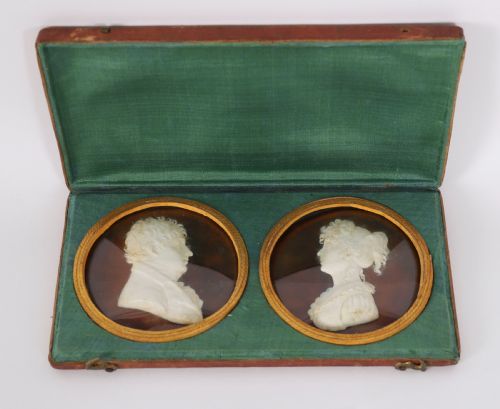
Wax and terracotta model softer contours, often mounted within velvet or leather frames or paired as symmetrical sets.
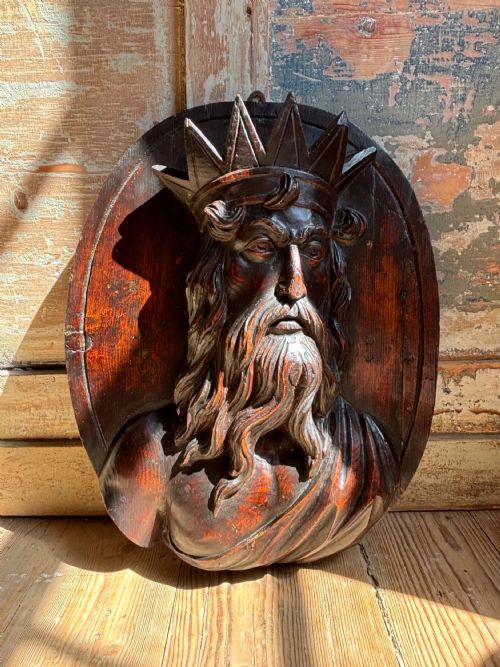
Marble and carved wood create durable neoclassical profiles, utilising Italian craftsmanship and grand tour traditions.
Relief Bust Sculpture Retail Price Guide 2026
Typical asking prices for relief bust sculpture among the pieces listed under this phrase on Sellingantiques today, from the lower quarter to the upper quarter. They describe what is for sale here now, not the wider market.
Virgil and Dante watch over the room together from their matching Italian marble profile plaques.
What varies in quality
Signatures by identified artists or attributed makers elevate a piece above anonymous workshop production.
The quality of the surrounding frame, whether carved wood, velvet backing, or gilt metal, contributes to the overall presence of the object.
Alice Gates·Mainfroy·Gilbert Privat
The Relief Bust Sculpture Glossary
- Relief
- A sculptural technique where the figures project from a background plane, ranging from shallow low relief to deep high relief.
- Neoclassical
- A style reviving classical Roman and Greek motifs, highly prevalent in eighteenth and nineteenth-century sculpture.
- Grand Tour
- A traditional trip through Europe undertaken by upper-class Europeans, resulting in the acquisition of art and classical portrait plaques.
- Terracotta
- Baked red-clay pottery utilised for sculptural modelling and portrait busts.
Relief Bust Sculpture: Frequently Asked Questions
How do I hang a relief plaque safely?
Most wall plaques and framed reliefs use secure hanging loops or brackets fitted to the reverse of the wooden or metal frame.
Ensure the chosen wall anchor matches the weight of denser materials like marble or cast bronze.
What periods do these sculptures cover?
The pieces span from the eighteenth century through the nineteenth century and into the early twentieth century.
Styles shift from eighteenth-century carvings to neoclassical and Edwardian interpretations.
How should I clean wax portrait reliefs?
Wax reliefs require delicate handling and protection from direct sunlight and heat sources to prevent softening.
Dust gently with a soft brush rather than using any liquid cleaning agents.
Are these sculptures signed by artists?
Some pieces feature maker signatures or attributions inscribed directly into the bronze, terracotta, or backing materials.
Others remain unsigned, reflecting the broader tradition of nineteenth-century studio and workshop production.