


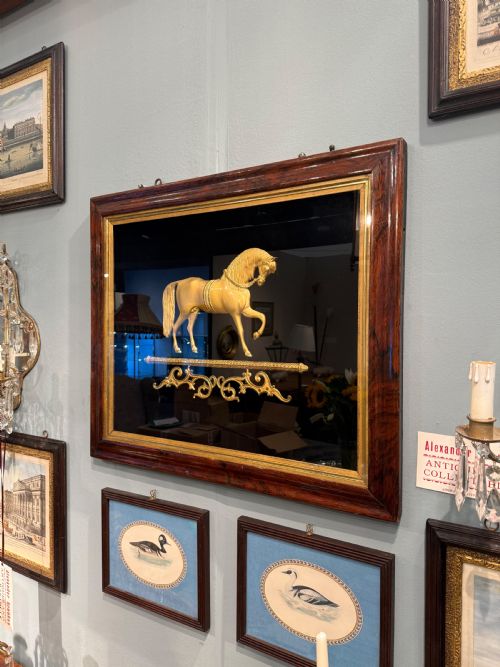

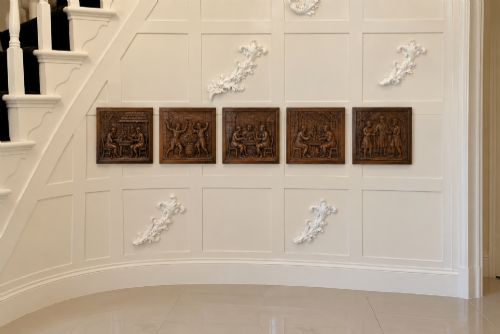
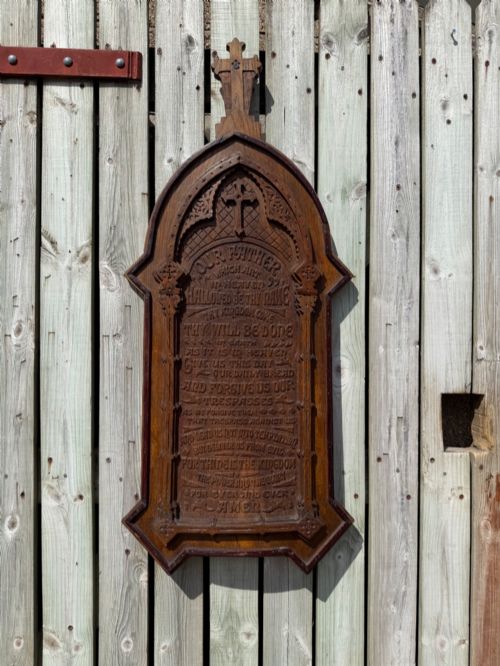
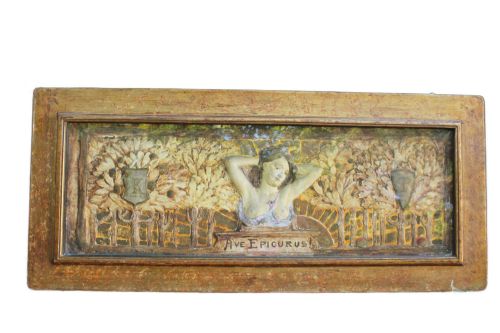
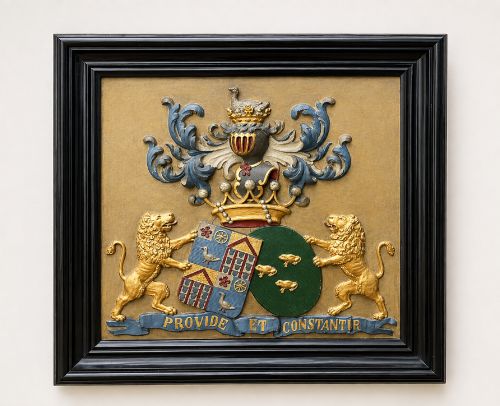
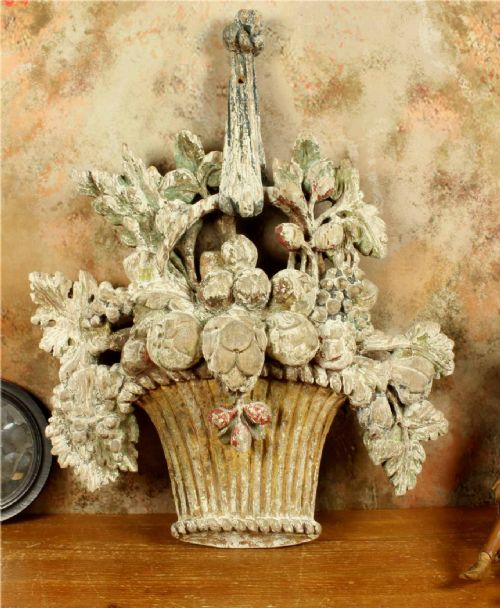
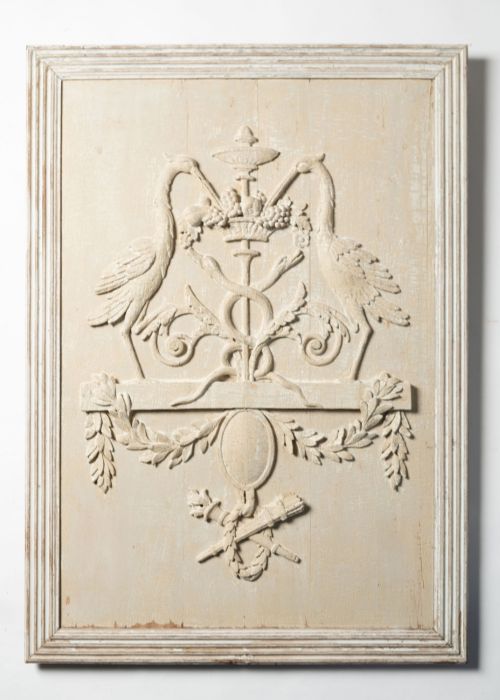
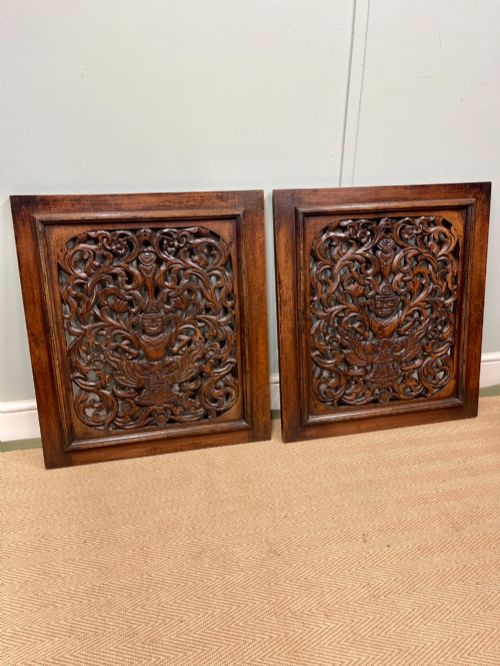
Relief Art Plaque
When you search for a relief art plaque, you are hunting for panels and sculptures that bring depth and texture straight to the wall.
Relief Art Plaque
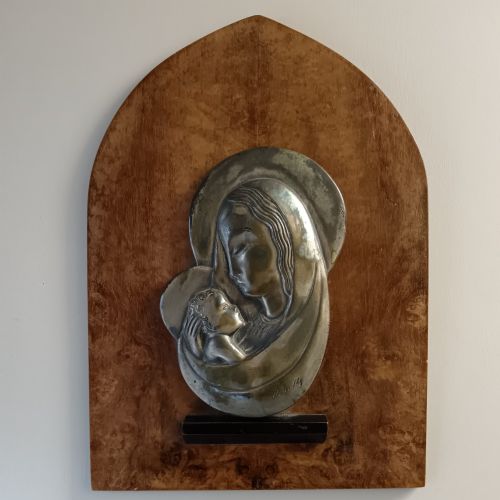
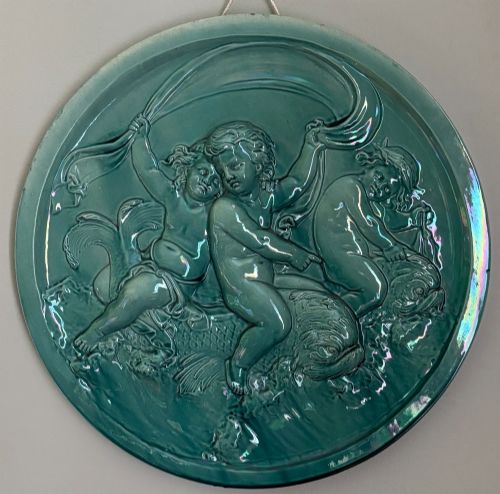
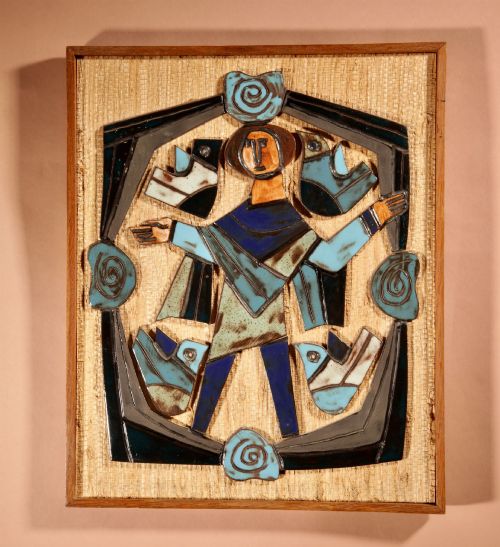
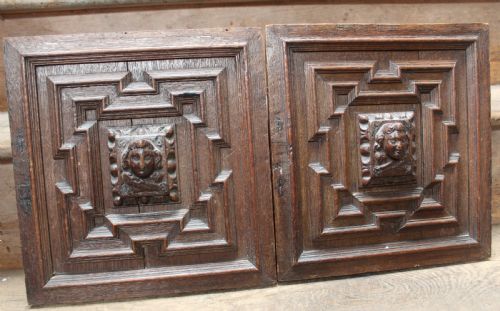
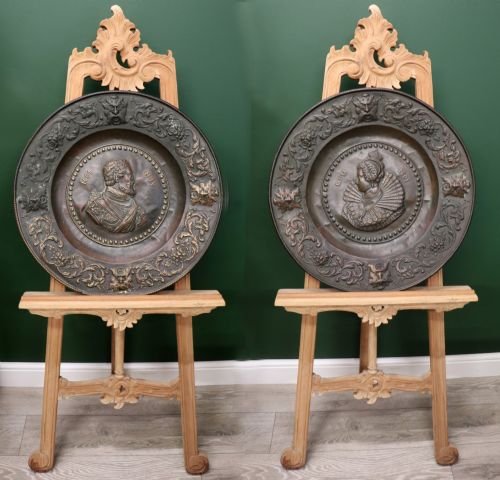
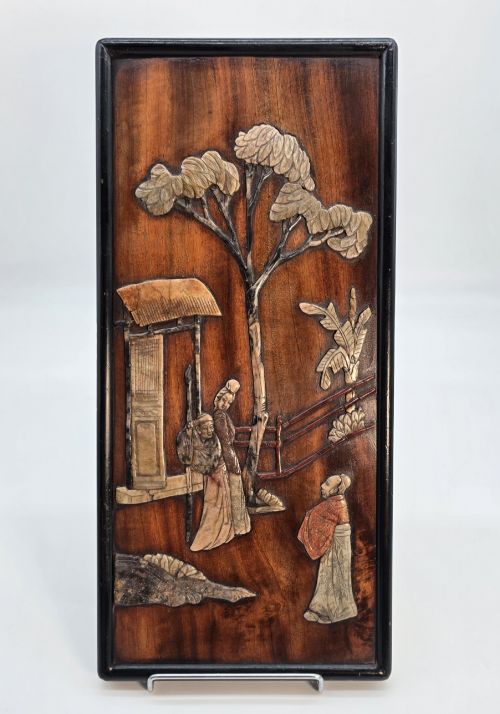
A relief art plaque covers carved wooden panels, metal roundels, and framed plaster works designed for vertical display. Pieces span the seventeenth, eighteenth, nineteenth, and early twentieth centuries, drawing on Neoclassical, Gothic Revival, Art Nouveau, and Arts and Crafts styles.
Buyers will encounter Flemish tavern scenes, heraldic marriage plaques, religious subjects, and Black Forest hunting trophies. Materials range from carved oak and chestnut to bronze, copper, porcelain, and marble dust.
Origins stretch across Britain, France, Germany, Italy, China, and the Netherlands. Wall plaques, architectural fragments, and carved wooden panels form the core of the selection.
Materials and construction methods
Wood pieces rely on dense timbers like oak, fruitwood, chestnut, and rosewood, shaped with hand gouges and chisels to create deep undercut scenes. Black Forest and Flemish carvers made full use of the grain to build three-dimensional hunting trophies and figural panels.
Metal items utilise cast bronze, silver plating, copper, and white metal, often given patination or gilding to highlight the chased details of portraits and mythological figures. Plaster, majolica pottery, and marble dust provide smooth surfaces for moulded classical profiles and religious subjects.
Relief Art Plaque Retail Price Guide 2026
Typical asking prices for relief art plaque among the pieces listed under this phrase on Sellingantiques today, from the lower quarter to the upper quarter. They describe what is for sale here now, not the wider market.
A stoic stone-framed picture rubs shoulders with carved falcons and dancing demons.
Factors that separate the grades
The integrity of the material matters greatly, separating panels with clean, stable timbers or patinated bronzes from those burdened by heavy losses, crude repairs, or poorly matched modern frames.
Henk Potters·Eugene Canneel·Clement Messier·WMF
The Relief Art Plaque Glossary
- Relief
- A sculptural technique where figures or designs project from a flat background. High relief shows forms standing far out from the plane, while low relief keeps them shallow.
- Black Forest
- A style of wood carving originating from central Europe, characterised by realistic depictions of animals, foliage, and hunting trophies in dark timber. Pieces often incorporate intricate undercut leaves and game birds.
- Polychrome
- Painted, printed, or decorated in several colours. This treatment appears on plaster and wooden reliefs to heighten realism.
- Trophy carving
- An arrangement of game, musical instruments, or agricultural symbols grouped together on a panel. These serve as decorative wall ornamentation.
- Chased
- Metalwork finished with hand tools to refine surface details after casting. This technique sharpens lines on bronze and copper plaques.
Relief Art Plaque: Frequently Asked Questions
How do I hang a heavy wooden relief art plaque safely?
Heavy wooden panels require sturdy brass mirror plates or picture wire screwed directly into the structural frame rather than hanging from lightweight loops. Ensure the fixing hits a wall stud or uses appropriate masonry anchors.
Check the weight distribution of the carving before installation to prevent the plaque from tilting forward on the wall.
Are these wall plaques meant for indoor display only?
Most pieces originate as interior architectural salvage, domestic wall art, or devotional items unsuited to outdoor exposure. Fluctuating humidity and direct rain will damage carved wood and painted plaster surfaces.
Keep pieces away from direct heat sources and strong sunlight to prevent timber splitting and metal corrosion.
How should I clean a bronze or copper plaque?
Dust metal plaques gently with a dry, soft brush to remove surface particles without disturbing the aged patina. Avoid chemical metal polishes that strip away historical surface colouring.
Wax can protect iron and copper elements, but consult a professional conservator before applying any substances to older patinated bronzes.
How can I tell a nineteenth-century carving from a later copy?
Nineteenth-century carvings show tool marks consistent with hand chisels and variable depth across the grain. Later machine-milled copies often display uniform tool tracks and softer, rounded details.
Examine the back of the panel for timber shrinkage, oxidation on iron nails, and overall wear appropriate to the stated age.