

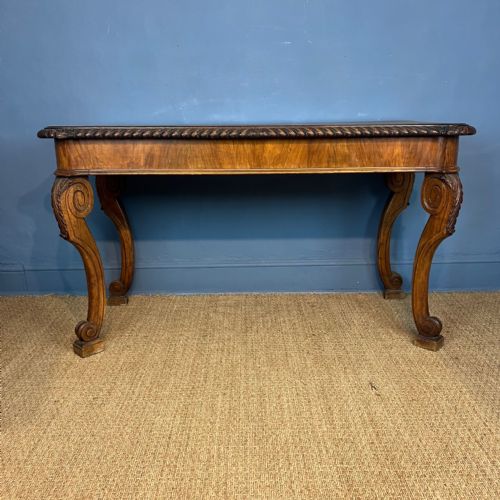


Regency Walnut Side Table
A regency walnut side table brings warmth and grain to a room, offering practical surface space rooted in the early nineteenth century.
Regency Walnut Side Table
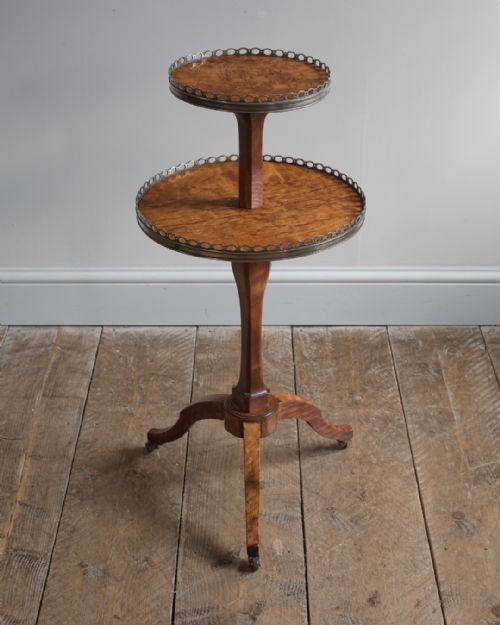
A regency walnut side table typically originates from the Georgian, Regency, or William IV periods, spanning the early to late nineteenth century. These pieces appear in forms such as games tables, wine tables, occasional tables, console tables, and lamp tables.
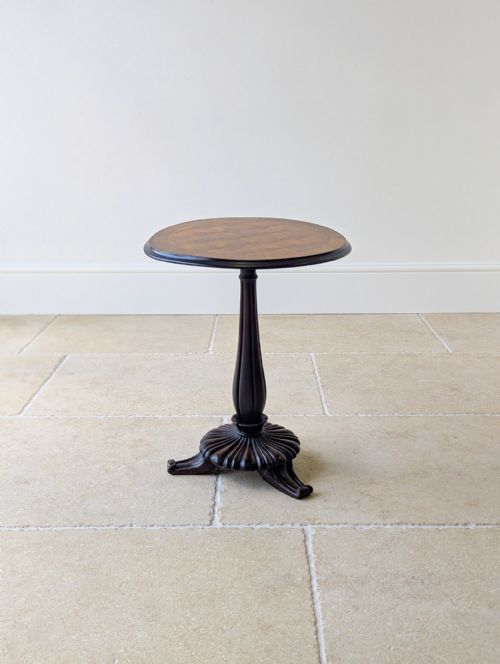
The version most commonly met on this page is the occasional or side table, often constructed in figured walnut or burr walnut with complementary timbers. Their origins lie in English traditional cabinet making, with occasional examples showing continental styles like Italian Regency.
Buyers look for these items to provide functional furniture that anchors a room with period character. The selection ranges from compact lamp tables to larger D-end tea and card tables.
Materials and technique
Cabinet makers utilised walnut, burr walnut, mahogany, and rosewood, often applying fine veneers over secondary woods such as oak. Decorative elements frequently incorporate boxwood stringing and marquetry inlay.
Metal and stone components also appear, with brass hardware and marble tops integrated into specific console and occasional designs. Construction methods rely on traditional joinery suited to tilting mechanisms, dropleaves, and tripod bases.
Regency Walnut Side Table Retail Price Guide 2026
Typical asking prices for regency walnut side table among the pieces listed under this phrase on Sellingantiques today, from the lower quarter to the upper quarter. They describe what is for sale here now, not the wider market.
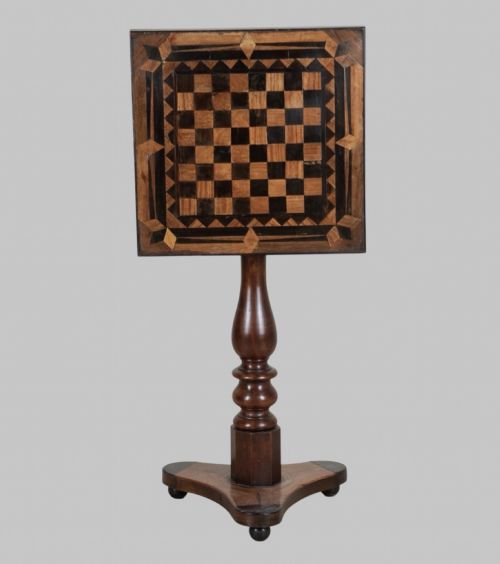
Specimen wood tops turn a simple table into a miniature forest floor of competing timbers.
What separates the grades
Quality rests heavily on the selection and figuring of the timber veneers, where highly marked burr walnut distinguishes finer examples from plain stock. The crispness of inlaid boxwood and the integration of secondary woods like mahogany and oak also signal superior construction.
Proportion and structural complexity set apart the upper tiers of these tables. Simple tripod and side forms sit below multi-functional D-end tea, games, and sofa tables equipped with detailed crossbanding and turning.
The Regency Walnut Side Table Glossary
- Burr walnut
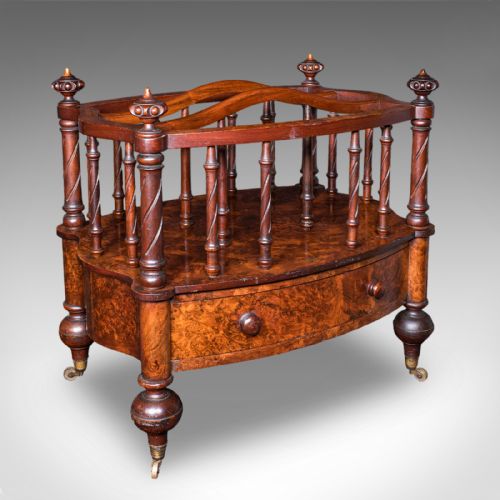
- A figured timber taken from the wart or growth on a walnut tree, highly prized for its swirling grain patterns. It provides a decorative surface on top panels.
- Crossbanding
- A strip of veneer laid around the border of a table top with the grain running at right angles to the centre. This technique frames the primary timber.
- D-end table
- A dining or side table whose ends are semicircular in shape, often separating into console sections. They frequently function as card or tea tables.
- Lowboy
- A small occasional or writing table with a low drawer arrangement, originating in the eighteenth century. They serve as compact side or hall furniture.
- Specimen wood
- A tabletop constructed from numerous small pieces of different decorative timbers arranged in geometric or mosaic patterns. These display the variety of woods available to the maker.
Regency Walnut Side Table: Frequently Asked Questions
What is a regency walnut side table used for?
These pieces function primarily as surface furniture for lamps, drinks, or decorative objects in living spaces and halls.
Many examples double as specialised game, tea, or writing tables depending on their folding tops and internal compartments.
How can I tell the period?
Dating relies on stylistic markers associated with Georgian, Regency, and William IV eras, alongside construction timber choices.
Cabinet making techniques and secondary woods like oak help distinguish early nineteenth century pieces from later nineteenth century reproductions.
Where should I place it?
Side and lamp tables suit corners, hallways, or beside seating where surface area is needed without bulk.
Console and D-end tables fit well against walls or expand into rooms when configured for games and tea.
What timber variations exist?
Makers used plain walnut alongside highly figured burr walnut, often combining them with mahogany, rosewood, and oak.
Inlay work frequently incorporates boxwood stringing and specimen wood tops to add visual contrast.