



Regency Vanity Glass
Regency vanity glass pieces bring refined mirror work and timber dressing forms to a dressing space, offering period elegance and practical reflection.
Regency Vanity Glass
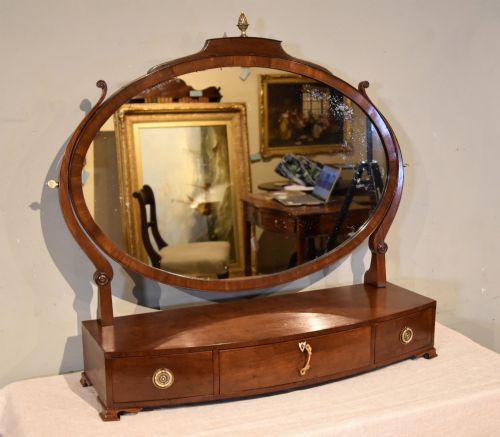
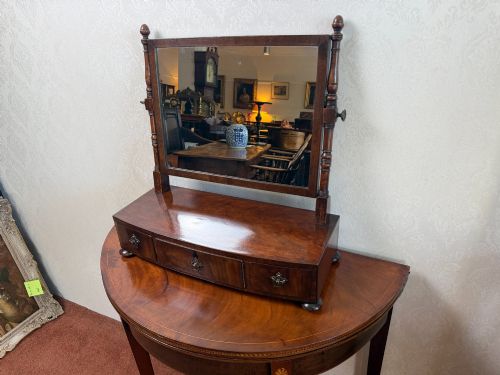
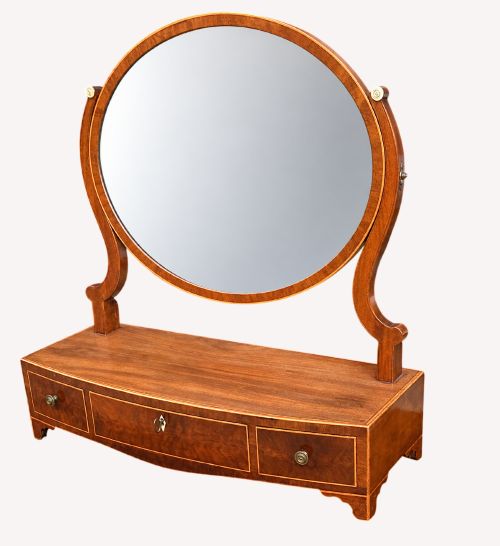
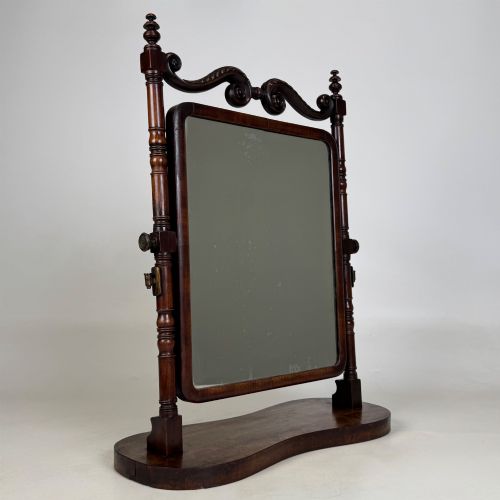
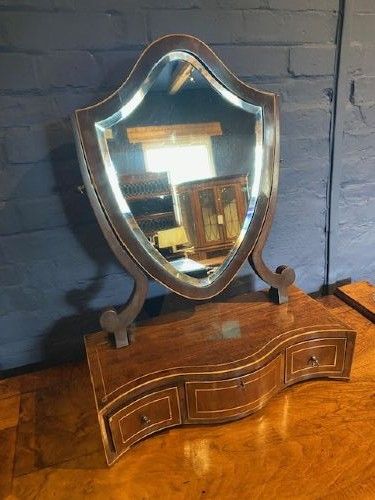
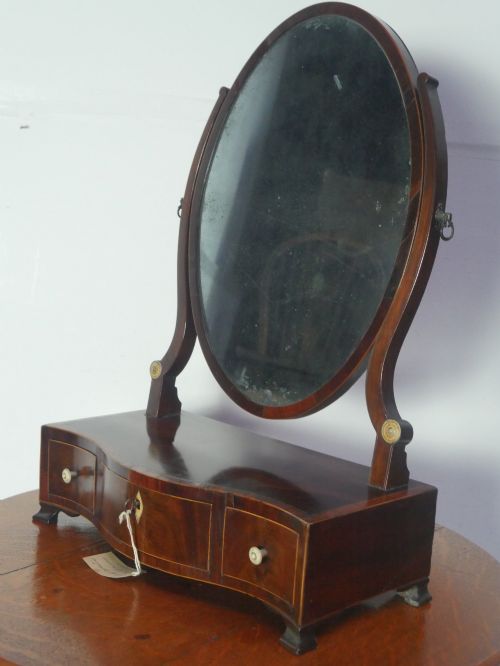
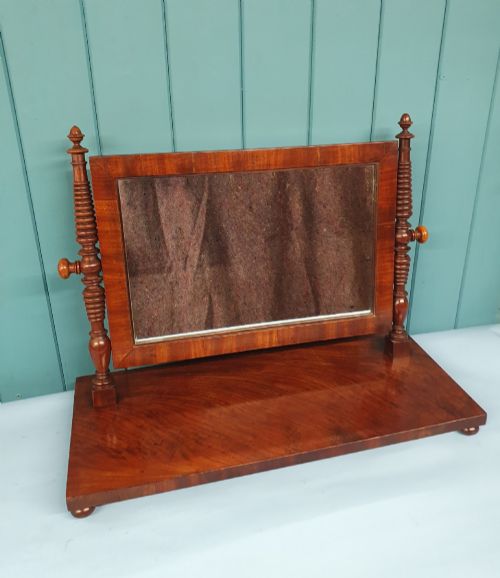
When searching for regency vanity glass, buyers encounter a selection of dressing mirrors, toilet mirrors, and vanity boxes spanning the Georgian, Regency, and Victorian periods. These objects served historical dressing routines, resting upon tables or chests to provide adjustable reflection for personal grooming.
The selection encompasses pieces labelled across the 18th century, 19th century, Regency, and George IV eras, reflecting both strict Regency design and related stylistic periods like Victorian and Sheraton. Woods range from standard mahogany to rosewood, kingwood, walnut, yew, satinwood, and padouk.
Materials and construction
Cabinet makers built these frames primarily using solid mahogany, rosewood, and other dense timbers, frequently incorporating veneers, brass fittings, and bone or ebony inlay. The glass plates sat within swing frames attached to side pillars, allowing the user to tilt the mirror surface to the desired angle.
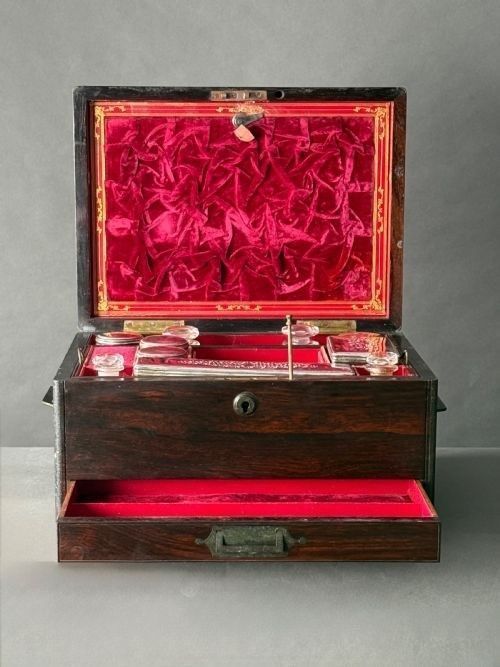
Travelling vanity boxes and cases integrated complex internal compartments lined with velvet, housing silver or glass accessories for personal care. Joinery methods relied on traditional cabinet techniques, uniting wood frames with stable pedestal bases or box plinths.
Regency Vanity Glass Retail Price Guide 2026
Typical asking prices for regency vanity glass among the pieces listed under this phrase on Sellingantiques today, from the lower quarter to the upper quarter. They describe what is for sale here now, not the wider market.
Listings feature mahogany as the dominant timber, alongside rosewood, kingwood, walnut, satinwood, and padouk.
Judging quality in period mirrors
Quality rests in the crispness of the timber carving, the choice of figured veneers such as flame mahogany or rosewood, and the refinement of brass or inlay details. Pieces associated with notable makers demonstrate superior joinery and proportion.
The survival of original mirror glass plate and intact internal fittings for vanity boxes elevates an example significantly. Finer pieces maintain balanced proportions between the pivoting glass frame and the supporting base structure.
Gillows
The Regency Vanity Glass Glossary
- Toilet mirror
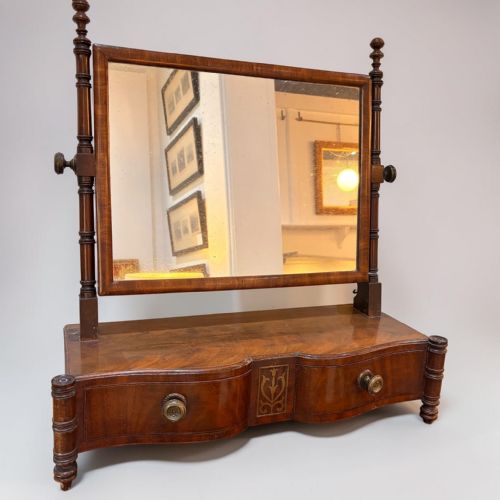
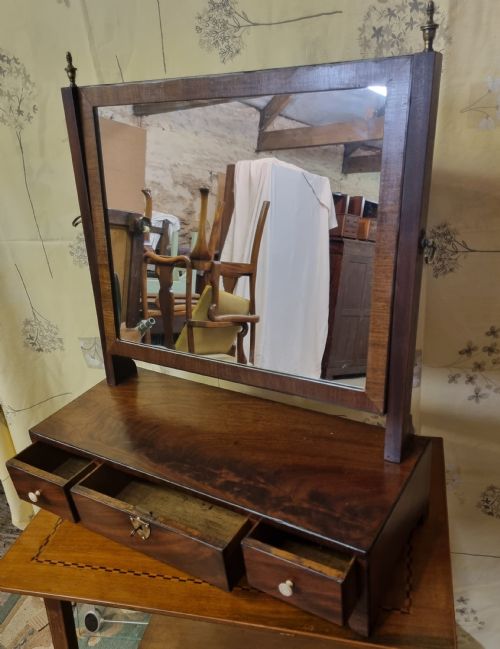
- A smaller dressing mirror designed to sit on a table, chest, or commode during the Georgian and Regency eras. These typically feature a swivelling glass plate mounted above a small drawer base.
- Swing mirror
- A mirror plate hung on pivots between two upright arms, allowing the user to tilt the glass angle. This mechanism is central to most dressing and toilet mirrors.
- Vanity box
- A portable wooden case fitted with internal compartments, velvet linings, and sometimes silver or glass containers for travelling toilet articles. Examples from this tradition date through the Regency period.
- Cheval mirror
- A full-length freestanding dressing mirror supported by four legs in a frame. These large pieces allowed a complete view of attire.
- Ormolu
- Gilded bronze mounting applied as decorative ornamentation on furniture and mirror frames, particularly during the Empire period.
Regency Vanity Glass: Frequently Asked Questions
What is a regency vanity glass?
A regency vanity glass refers to dressing table mirrors, toilet mirrors, and vanity boxes dating from the Regency period and surrounding eras. These pieces combine functional glass plates with timber frames for personal grooming.
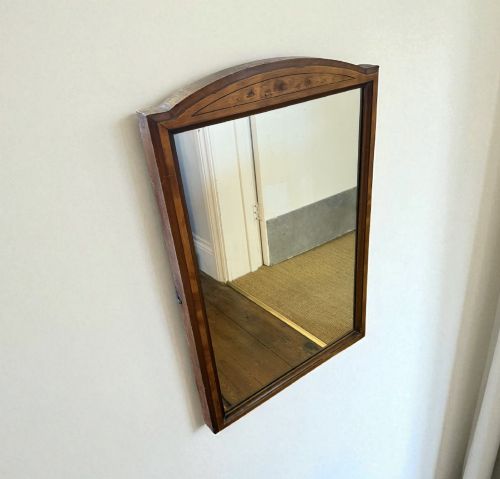
They appear as table-standing swing mirrors, wall mirrors, or portable boxes housing compartments for daily use.
How were these mirrors used?
Users placed them upon dressing tables or chests to assist with hair styling, shaving, and adjusting attire. The pivoting frame allowed the mirror plate to tilt for optimal angles.
Portable vanity cases served travellers, opening to reveal fitted compartments lined with velvet and holding personal care items.
How do I identify a Regency period piece?
Look for characteristic timber choices such as mahogany, rosewood, and padouk, often paired with brass mounts, ebony inlay, or curved bow fronts. Construction details align with early nineteenth-century cabinet making.
Design influences draw from Regency, George IV, and French Empire styles, sometimes bearing attribution to known makers like Gillows.
Are the mirror plates original?
Some pieces retain their original glass plate, while others may feature later replacements due to the fragile nature of antique silvered glass. Examining the edges and backing provides clues to the age of the glass.
Original plates often show minor age marks or oxidation consistent with nineteenth-century manufacture.