



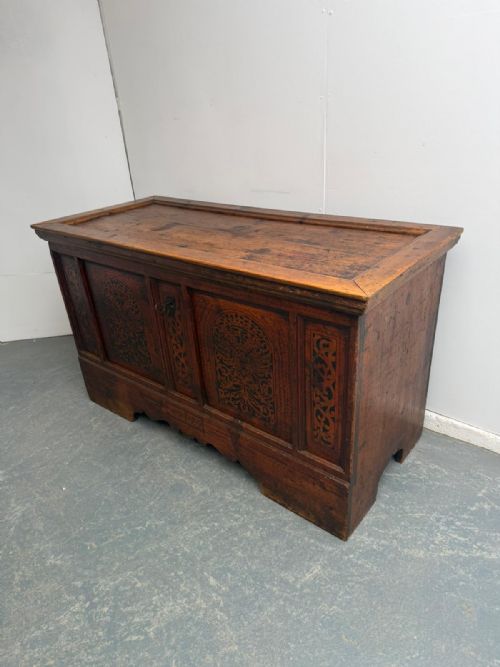


Regency Trunk
A regency trunk is a robust travel or storage chest built for transit, offering practical utility and period character for modern interiors.
Regency Trunk
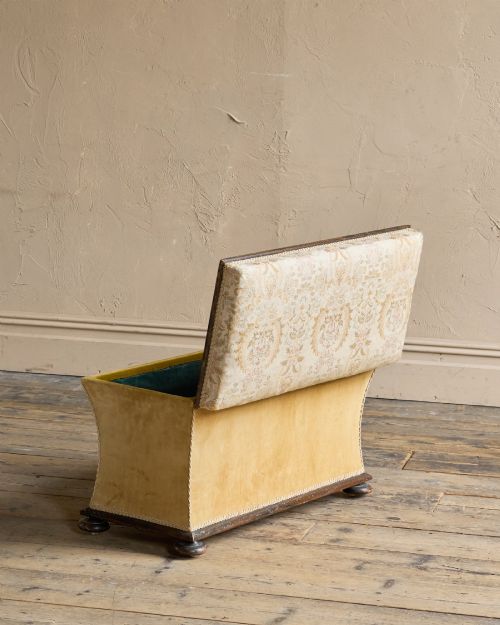
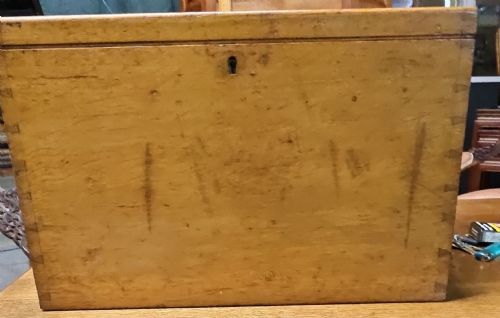
A regency trunk encompasses durable leather and wood storage pieces from the nineteenth century, including campaign cases, coaching trunks, and painted coffers. These items served travellers and households alike, designed to withstand the rigours of transit while maintaining a distinct aesthetic.
Most pieces date from the early nineteenth century during the regency era, though some Victorian interpretations exist alongside Georgian influences. Buyers encounter various forms ranging from large ottomans to compact boxes, all bearing the marks of their original utilitarian purpose.
How they were made
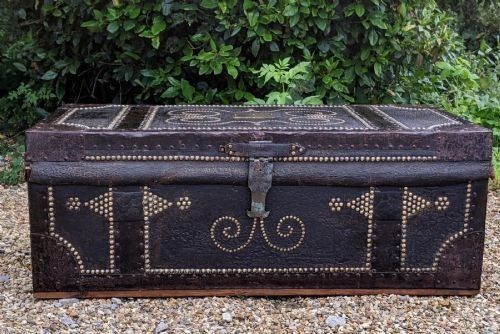
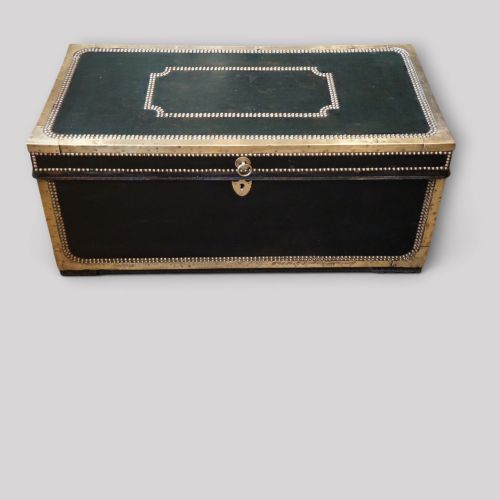
Construction relies on solid timbers such as mahogany, oak, and pine to form the primary carcase, often reinforced with iron or brass mounts for durability during travel. Leather coverings secured with brass studding protect the exterior surfaces of finer campaign trunks.
Folk art variants employ painted finishes directly onto wood, displaying traditional pigments and decorative motifs. Metal hardware including drop handles, locks, and corner brackets are fastened meticulously to withstand heavy lifting and movement.
Regency Trunk Retail Price Guide 2026
Typical asking prices for regency trunk among the pieces listed under this phrase on Sellingantiques today, from the lower quarter to the upper quarter. They describe what is for sale here now, not the wider market.
Materials span luxurious mahogany and brass alongside humble pine and iron, reflecting a strict hierarchy of functional design.
What varies in quality
Quality rests in the integrity of the timber framing and the original condition of the leather and brass hardware. Superior examples retain their structural stability and authentic surface patination without excessive modern intervention.
The refinement of the joinery and the presence of maker details or original decorative paintwork distinguish finer pieces from standard utilitarian containers. Finer craftsmanship shows in the precise placement of brass studs and the seamless fit of internal compartments.
Gillows of Lancaster·Chapple & Sons·Haley & Milner·John Thwaites·Mark Bartley·Halliday & Rich
The Regency Trunk Glossary
- Campaign case
- A portable chest or trunk built for military officers or travellers, designed with recessed handles and reinforced corners for frequent transit.
- Mule chest
- A storage chest featuring one or more drawers at the base beneath a primary lift-top compartment, combining the functions of a trunk and a chest of drawers.
- Coaching trunk
- A sturdy chest specifically proportioned to strap to the top or boot of a stagecoach for long-distance journeys.
- Coffer
- A heavy wooden box traditionally used for storing valuables, often featuring painted decoration or iron banding.
- Fusee
- A conical pulley mechanism used in period clock movements to maintain equal tension on the mainspring as it unwinds.
Regency Trunk: Frequently Asked Questions
Where were regency trunks used?
These trunks travelled extensively with officers, gentry, and merchants during journeys by coach, ship, and early rail.
At home, they served in hallways, bedrooms, and grand reception rooms to store linens, clothing, and personal documents.
How do I clean a leather trunk?
Maintenance involves gentle dusting and the application of appropriate leather balms to nourish the hide without altering the historic finish.
Harsh chemical cleaners and excessive moisture must be avoided to preserve the original brass studding and leather integrity.
Can I use a trunk as a coffee table?
Their flat lids and sturdy wooden construction make these chests suitable as coffee tables in living spaces.
Using them in this manner provides hidden storage while introducing historical character and texture to a modern room.
What woods were used?
Cabinet makers and trunk builders utilised hardwoods like mahogany and oak for strength and finer visual appeal.
Pine served as a lighter or more economical alternative, frequently painted in folk art traditions or covered entirely in leather.