

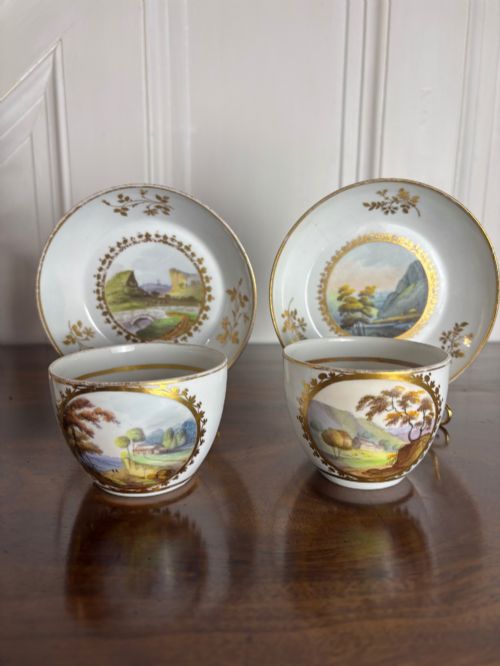


Regency Tea Cup
A regency tea cup brings the refined porcelain forms and handpainted motifs of the early nineteenth century straight to the modern table.
Regency Tea Cup
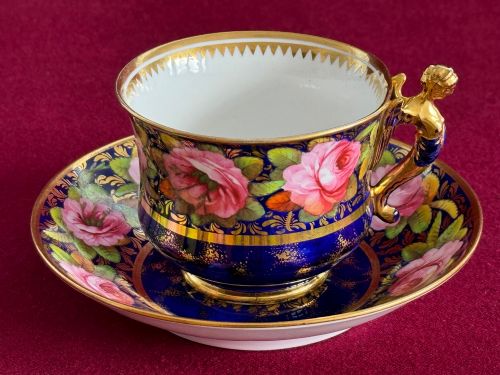
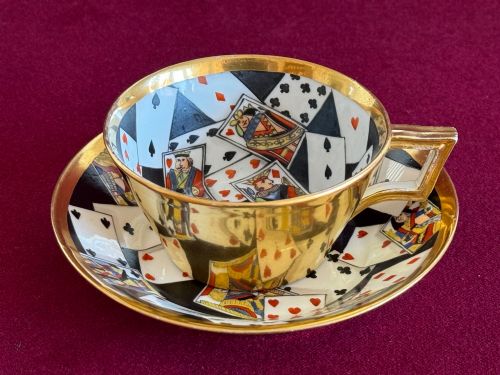
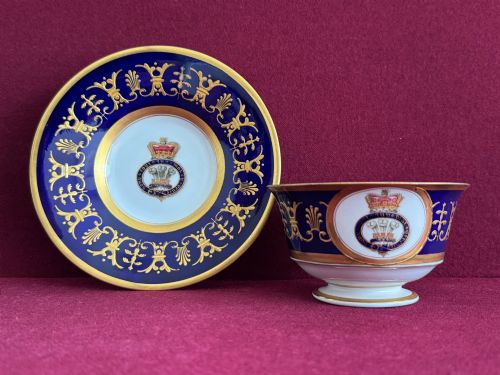
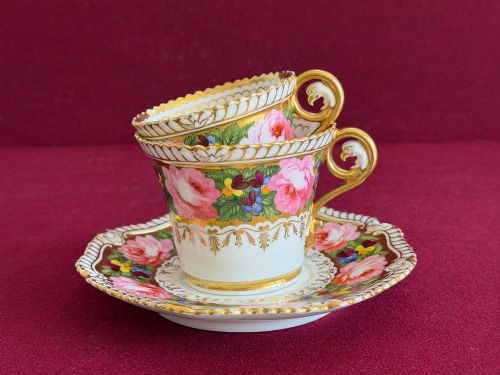
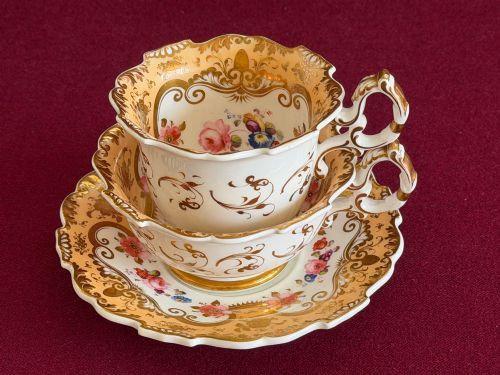
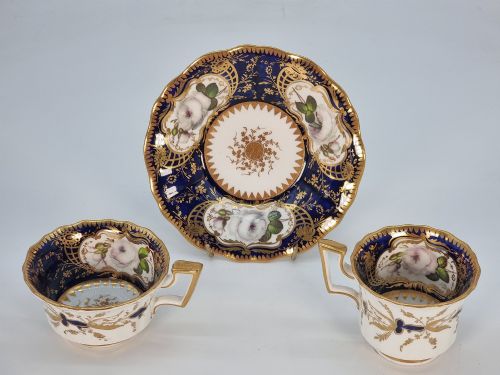
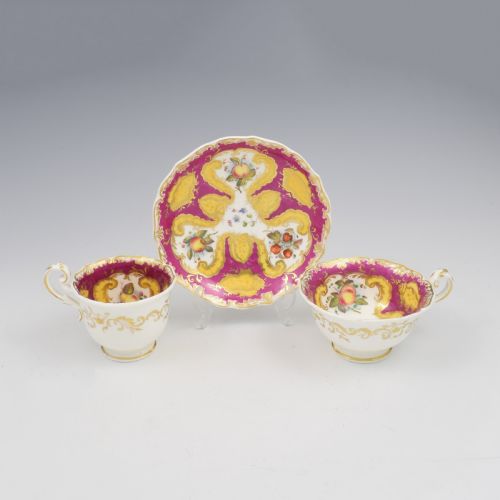
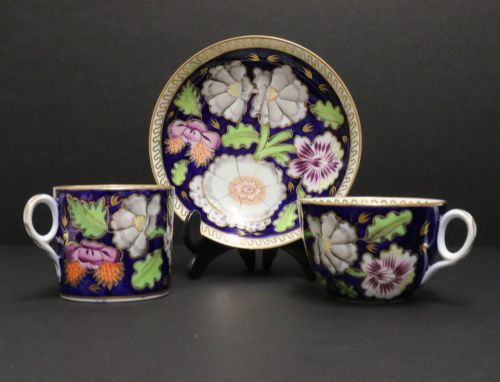
A regency tea cup typically arrives as part of a duo or trio consisting of a teacup, a saucer, and frequently a matching coffee cup. These items span the late Georgian and Regency periods, embodying the domestic elegance of the early nineteenth century.
The selections on this page showcase distinct British forms such as the London shape alongside cabinet trios intended for display rather than daily service. Makers from Worcester, Derby, and Staffordshire dominate the forms available here.
Buyers encounter everything from simple tea services to elaborate cabinet cups decorated with landscapes, botanical studies, and exotic birds. Each piece captures the shift in British ceramic design from neoclassical austerity to vibrant patterns.
Materials and technique
Potters of this era shaped these wares from fine porcelain or bone china, relying on handpainted pigments and cobalt enamel to build complex imagery. Artisans applied gold leaf and heavy gilding by hand to accentuate rims, handles, and borders.
Factories utilised specialised kiln techniques to set delicate enamels alongside rich cobalt blues, producing durable yet translucent surfaces. Skilled decorators executed intricate motifs like Kakiemon designs and botanical studies directly onto the glazed body.
Regency Tea Cup Retail Price Guide 2026
Typical asking prices for regency tea cup among the pieces listed under this phrase on Sellingantiques today, from the lower quarter to the upper quarter. They describe what is for sale here now, not the wider market.
Listings feature porcelain and bone china forms decorated with gold leaf, enamel, and cobalt.
Variations in quality
The distinction between standard domestic wares and top-tier cabinet pieces lies in the precision of the handpainted detail and the application of gilding. Superior examples exhibit finely rendered subject matter, such as named botanical specimens or complex bird scenes by known hands.
Excellence also rests in the crispness of the porcelain moulding, particularly in unusual handle forms and specialised shapes like the Shrewsbury or London profiles. Richer colour saturation and complete preservation of the gold leaf elevate certain sets above standard production.
H & R Daniel·Chamberlain Worcester·Davenport·Newhall·Coalport·Derby·Minton·Worcester·Flight Barr & Barr·Hicks, Meigh & Johnson·Yates·Spode·Ridgway
The Regency Tea Cup Glossary
- Trio
- A matched set comprising a teacup, a coffee cup, and a saucer. This grouping reflects the nineteenth-century fashion of serving both tea and coffee from matching porcelain.
- Bone china
- A type of soft-paste porcelain incorporating bone ash for enhanced strength and translucency. British potteries refined this material extensively during the Regency era.
- Cabinet piece
- An ornamental ceramic item intended for display in a cabinet rather than functional use at the tea table. These pieces often feature superior handpainted decoration.
- Gilding
- The application of gold leaf or gold paint to ceramic surfaces. Artisans used this technique to highlight rims, handles, and intricate patterns.
- Cobalt enamel
- A deep blue vitreous pigment fired onto the porcelain surface. It frequently forms the base for rich underglaze designs and oriental-inspired motifs.
Regency Tea Cup: Frequently Asked Questions
How were regency tea cups used in the home?
These porcelain vessels were central to the formal ritual of taking tea in affluent nineteenth-century households. Servants brought out the tea service in the drawing room, where the hostess poured from a matching teapot.
Finer cabinet examples served as decorative status objects rather than functional tableware. They demonstrated the household's taste and wealth through their intricate handpainted scenes.
How can I tell the period of a regency tea cup?
Dating relies heavily on factory marks, ceramic bodies, and stylistic shifts between the Georgian and Regency periods. Early nineteenth-century pieces often feature specific porcelain formulations and distinctive handle shapes like the London form.
Comparing the handpainted patterns to known factory archives helps narrow down the decade of production. Many pieces carry handwritten or printed pattern numbers beneath the glaze.
Can I use antique regency tea cups for daily tea drinking?
While these pieces were made for functional use, their age and delicate handpainted surfaces suggest careful handling. Modern dishwashers and microwaves will damage the fragile porcelain and historical gilding.
Many collectors prefer to display cabinet trios or reserve them for occasional special use. Gentle hand washing preserves the enamel and gold leaf for the future.