



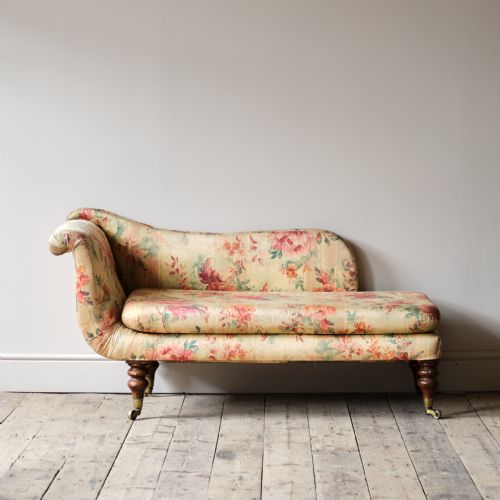


Regency Style Couch
These pieces known as a regency style couch bring classical elegance and refined seating forms directly into a traditional interior.
Regency Style Couch
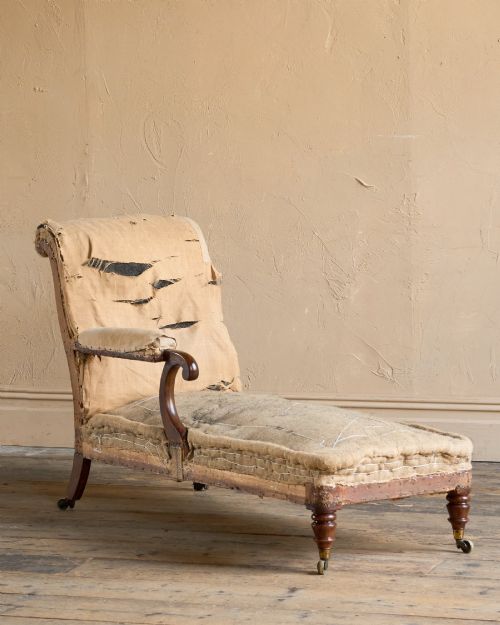
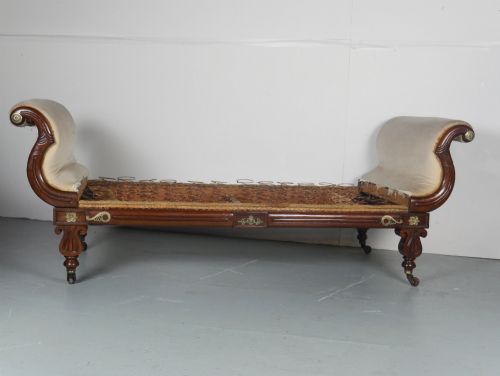
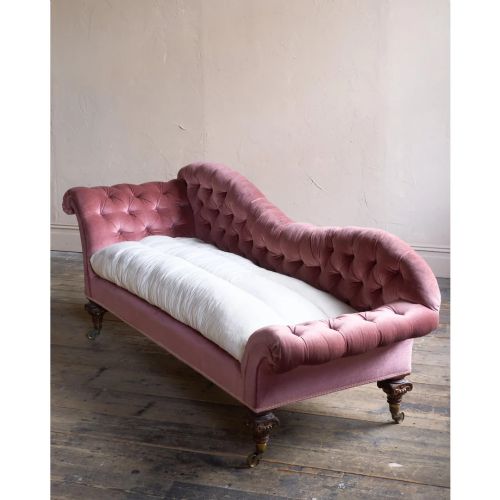
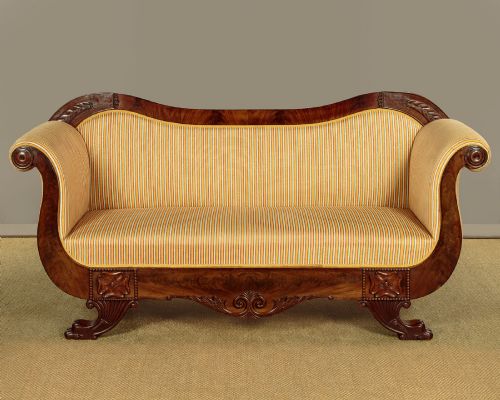
A regency style couch encompasses a variety of sophisticated seating forms, including sofas, settee pieces, and chaise longues originating from the Regency period, the nineteenth century, and nineteen twenty. Buyers examining this page will most frequently encounter nineteenth-century mahogany and giltwood pieces featuring scroll ends and upholstered seating.
The selection ranges from expansive country house settees and large four-seater options down to compact library sofas and cane-seated chaise lounges. Makers and designers of these forms drew heavily upon classical motifs, resulting in silhouettes that balance formal dignity with comfortable domestic use.
Anglo-Indian variations alongside solid rio rosewood and bleached wood constructions also appear within the evidence, demonstrating the wide geographical reach of these design influences. Each piece demonstrates the enduring appeal of classical proportions adapted for nineteenth-century and later drawing rooms.
How they were made
Upholstery techniques applied to these frames utilised traditional fabrics, velvet, and button-back padding to ensure both comfort and visual richness. The integration of ebonised finishes and gilt framing required precise hand-craftsmanship by period joiners and gilders.
Regency Style Couch Retail Price Guide 2026
Typical asking prices for regency style couch among the pieces listed under this phrase on Sellingantiques today, from the lower quarter to the upper quarter. They describe what is for sale here now, not the wider market.
Materials recorded across these listings include mahogany, brass, fabric, velvet, giltwood, ebony, and solid rio rosewood.
What varies in quality
Proportion and scale also dictate the standing of a couch, with grander four-seater settees and intricately finished library sofas representing more ambitious commissions than simpler regional variants. The depth of the colour in the mahogany and the original state of the cane seating further separate ordinary production from exceptional work.
Gillows
The Regency Style Couch Glossary
- Chaise longue
- An upholstered sofa in the form of a chair that is long enough to support the legs. This form frequently appears with a single scroll end or backrest.
- Scroll end
- A decorative terminal shaped like a rolled scroll, commonly found at one or both ends of period couches and sofas. It defines the profile of Regency seating.
- Giltwood
- Timber that has been coated with gold leaf or a gold-coloured finish. This material was utilised on formal settees intended for prominent reception rooms.
- Caned
- Woven rattan or split cane utilised for seat panels. This technique provided a lighter, cooler seating surface favoured in warm climates and Anglo-Indian designs.
- Ionic column
- A classical architectural column form featuring scroll-shaped capitals. Makers sometimes translated this architectural detail directly into the support legs of couches.
Regency Style Couch: Frequently Asked Questions
What is a regency style couch?
A regency style couch is a nineteenth-century or period-influenced seating item, such as a settee, sofa, or chaise longue, characterised by classical proportions and scroll ends.
These pieces were designed to serve as both functional seating and prominent decorative focal points within formal rooms.
Where were these couches used?
Period households placed these items in drawing rooms, libraries, and large country house reception spaces where entertaining took place.
They offered versatile lounging and seating arrangements suited to the formal domestic habits of the nineteenth century.
How do I live with one?
Living with a period couch involves placing it where its silhouette and timber grain can be fully appreciated, such as the centre of a room or against a panelled wall.
Care should be taken to protect antique upholstery fabrics and delicate wood finishes from direct sunlight and excessive wear.
How do I tell periods apart?
Distinguishing between periods relies on observing shifts in timber choice, carving depth, and decorative vocabulary from the early nineteenth century onward.
Earlier pieces often display more robust mahogany framing and crisp classical detailing compared to later nineteenth-century interpretations or nineteen-twenty revivals.