

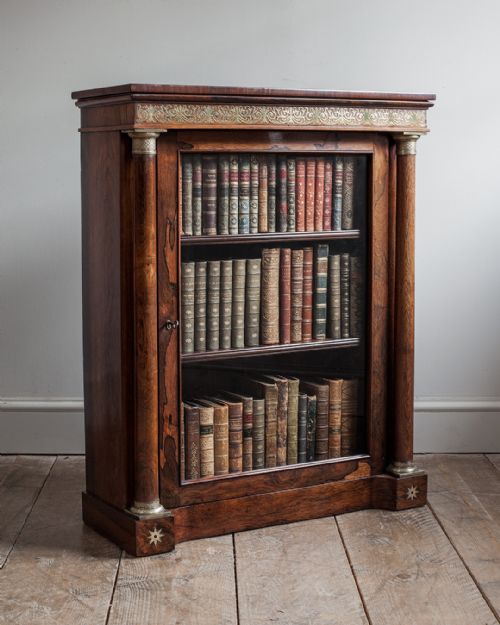
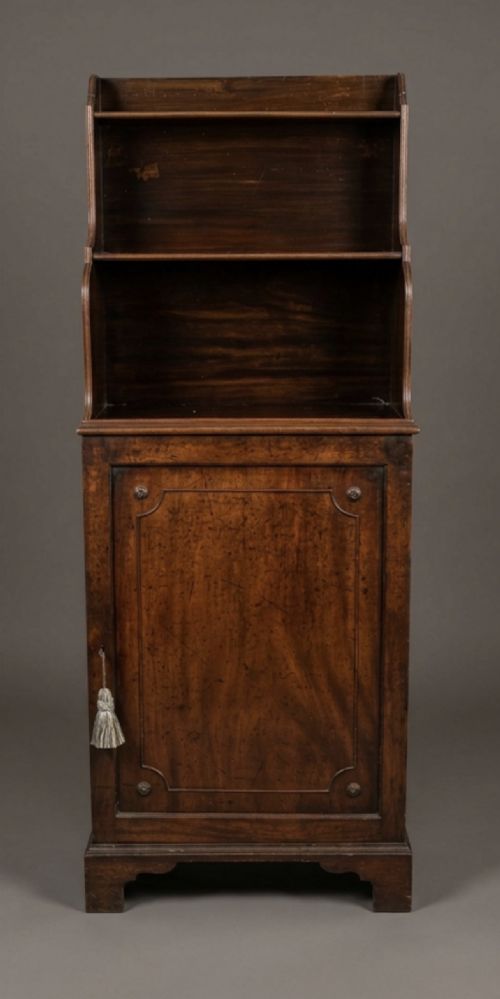
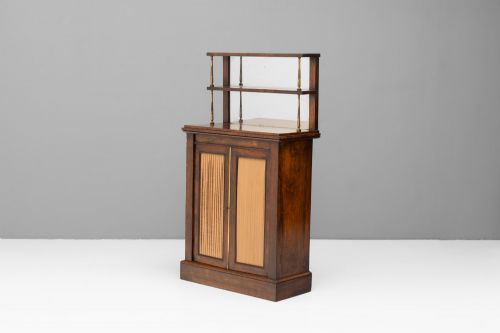
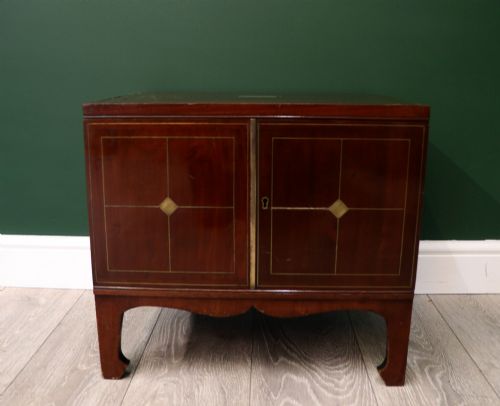


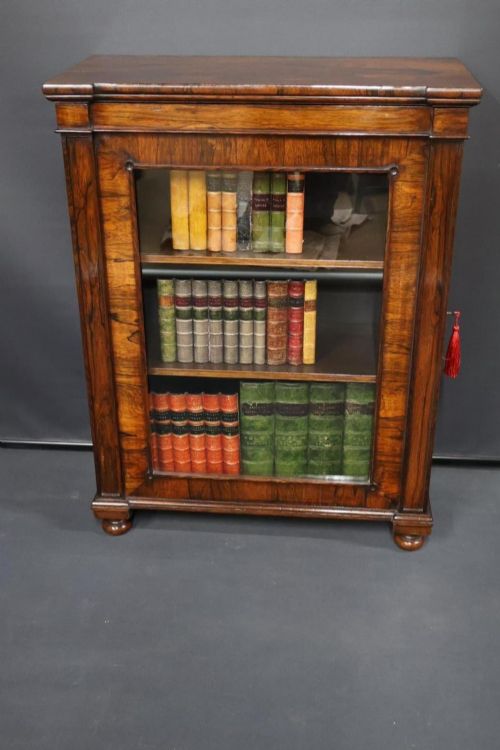

Regency Small Cupboard
A regency small cupboard offers compact storage with clean lines, bringing refined proportions to tight corners.
Regency Small Cupboard
A regency small cupboard sits within a lineage of compact furniture designed for orderly rooms, drawing from periods spanning the Georgian era into the nineteenth century.
Buyers encounter forms such as chiffoniers, side cabinets, pier cabinets, and bedside units built with neat proportions and low profiles.
The aesthetic leans towards the restrained elegance characteristic of Regency, William IV, and campaign styles.
Materials and Construction Methods
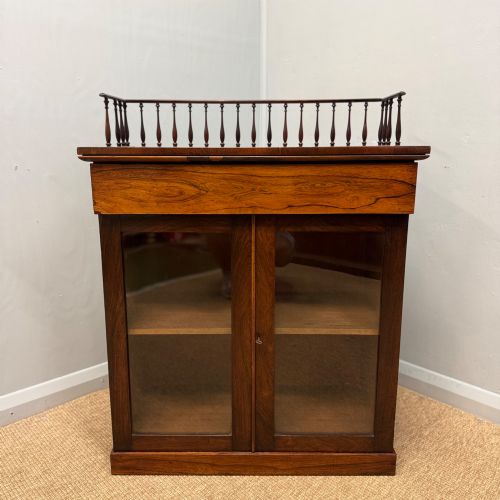
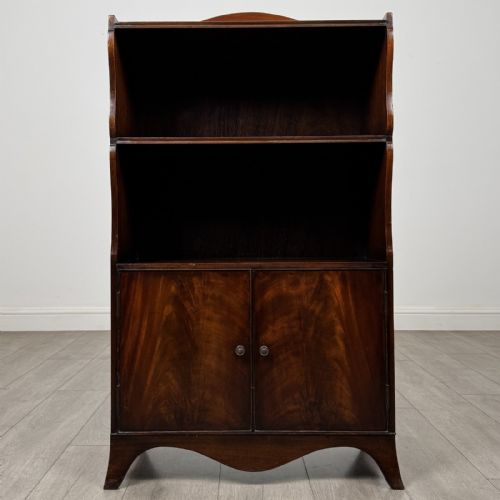
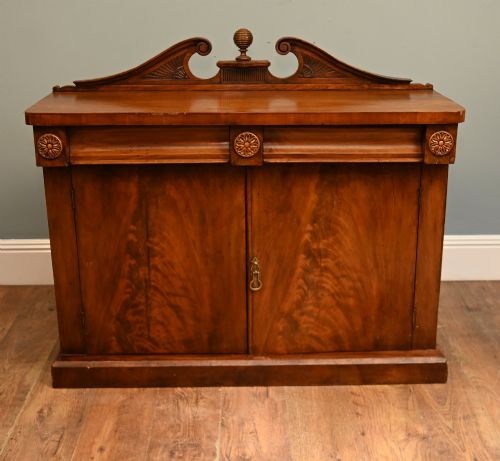
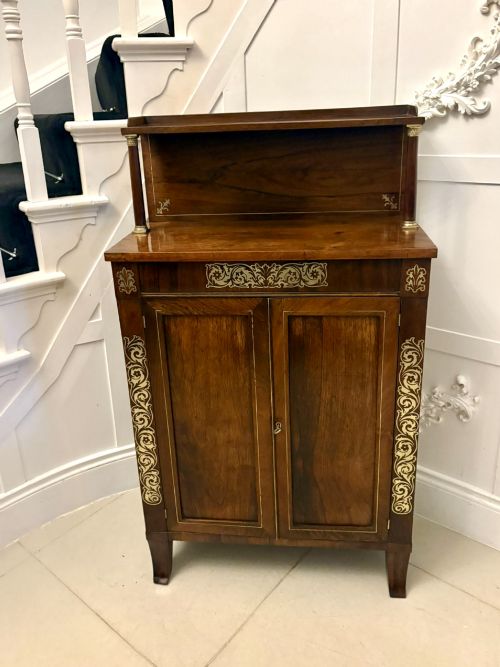
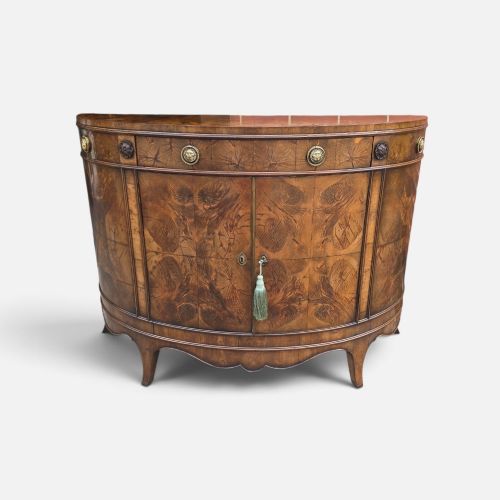
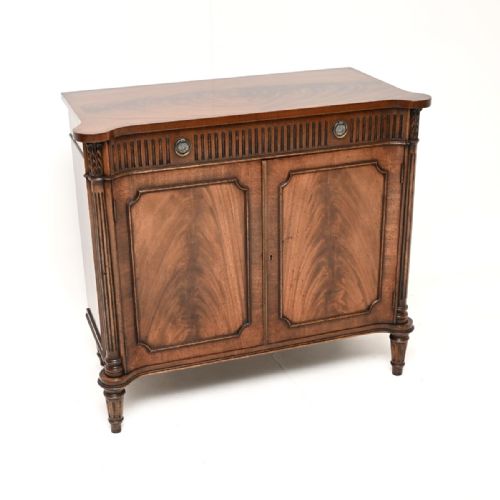
Cabinetmakers utilised dense timbers like mahogany and rosewood, often enhanced with flame mahogany veneer or burr oak to create rich surface grain.
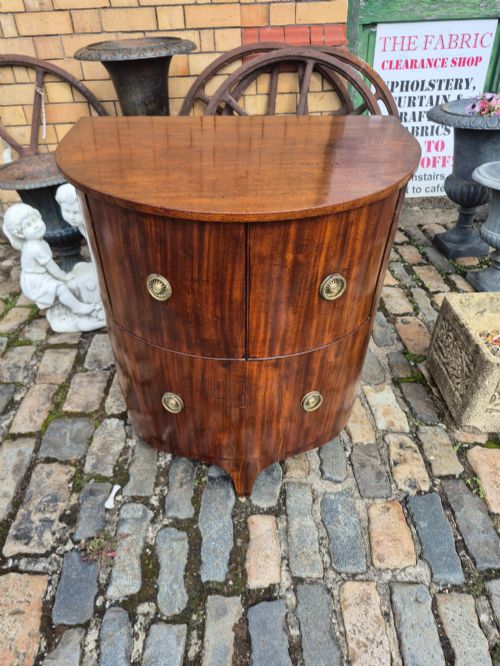
Brass inlays, gallery tops, and delicate handles provide metal accents that contrast sharply against the dark woods.
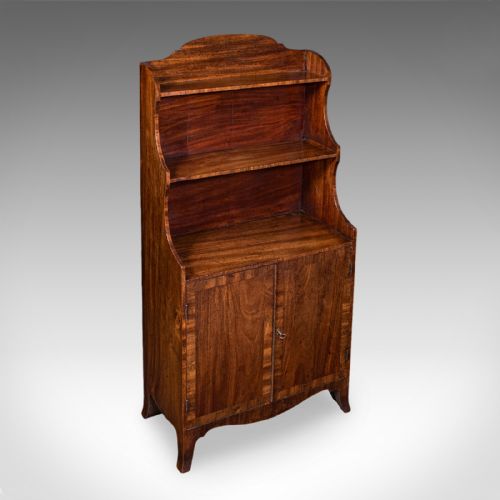
Joinery techniques focus on stability for diminutive scales, incorporating drop flaps, glazed doors, and tiered open shelving.
Regency Small Cupboard Retail Price Guide 2026
Typical asking prices for regency small cupboard among the pieces listed under this phrase on Sellingantiques today, from the lower quarter to the upper quarter. They describe what is for sale here now, not the wider market.
Listings feature woods such as mahogany, rosewood, burr oak, and yew, paired with brass and glass.
Markers of Distinction in Compact Cabinetry
The hierarchy of execution rests on the choice of timber and the precision of decorative elements such as brass inlay and spindle galleries.
Proportions dictate value, where unusually diminutive scales and neat footprints demand superior joinery to maintain structural integrity.
Surface finish and the preservation of original mounts distinguish pieces retaining their character from later adaptations.
Gillows
The Regency Small Cupboard Glossary
- Chiffonier
- A low sideboard or cabinet featuring a combination of shelves, drawers, and enclosed cupboard space below. It evolved during the nineteenth century as a central piece for living spaces.
- Pier Cabinet
- A narrow display or storage cabinet designed specifically to fit the wall space between windows. These often feature glazed doors and compact proportions.
- Flame Mahogany
- A veneer cut from the fork of the mahogany tree to create a distinctive, flame-like ripple pattern. It was favoured for high-status cabinet doors and drawer fronts.
- Campaign Style
- Portable or modular furniture designed for travel, characterised by recessed brass handles and reinforced corners. Pieces built in this manner prioritise rugged utility alongside neat storage.
- Spindle Gallery
- A raised wooden railing atop a cabinet or bookcase, constructed from small turned posts. This feature prevents items placed on the surface from sliding off.
Regency Small Cupboard: Frequently Asked Questions
Where should I place a regency small cupboard?
These compact cabinets suit narrow hallways, alcoves, or beside seating where floor space is limited. Their modest footprints allow them to function effectively without overwhelming a small room.
Position them against plain walls to let the timber grain and brass details stand out clearly within the interior scheme.
How do I identify a genuine period piece?
Look for traditional construction methods, timber shrinkage consistent with age, and hand-cut joints rather than modern fasteners. Hardware such as brass handles and hinges should match the manufacturing era.
Consult the listed periods and styles, noting that pieces from the Regency era display specific classical restraint rather than later revival exaggerations.
What is the difference between a chiffonier and a pier cabinet?
A chiffonier typically combines a low enclosed cupboard base with open or shelved storage above, serving as a versatile sideboard unit. A pier cabinet is narrower and taller, designed primarily to occupy wall spaces between windows.
Both offer compact storage options but serve distinct architectural functions within a nineteenth-century room layout.
How do I care for rosewood and mahogany surfaces?
Dust regularly with a soft, dry cloth and avoid placing wooden cabinets in direct sunlight or near heat sources to prevent veneer warping. Apply natural wax polish sparingly to nourish the grain without building up heavy residues.
Maintaining a stable indoor humidity level protects both the solid timbers and the applied brass or glass elements.